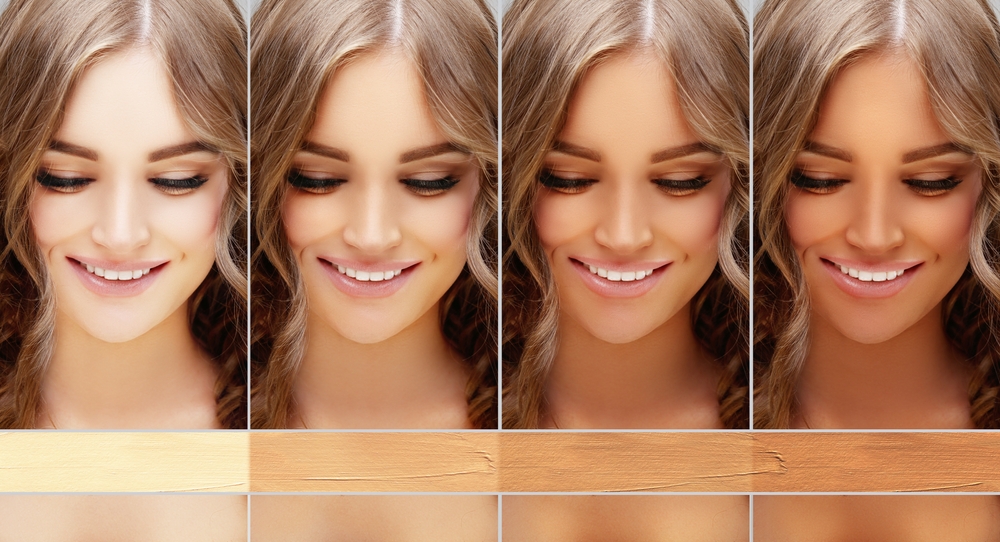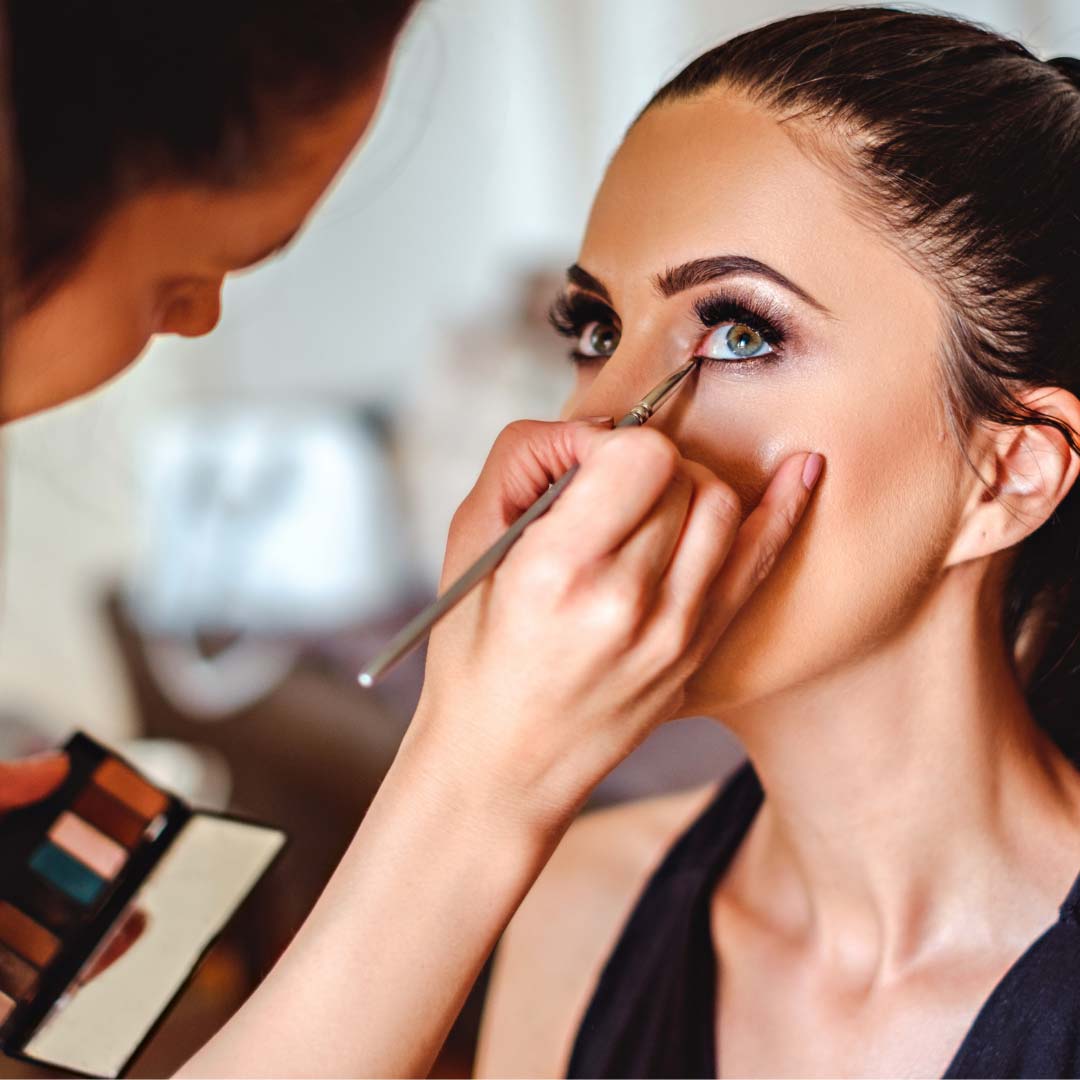
Creating bridal makeup that lasts from early morning preparation through the last dance requires meticulous skin preparation, strategic product selection, professional application techniques, and effective setting methods. As a makeup artist, your bride is trusting you with one of the most photographed days of her life—delivering flawless, long-lasting results is non-negotiable.
Bridal makeup represents one of the most rewarding—and pressured—areas of makeup artistry. The emotional significance of the day, combined with lengthy wear requirements and extensive photography, creates unique challenges that require specific skills and knowledge.
At UK Beauty School, our Certificate in Professional Make Up Artistry prepares you for the demands of bridal work, teaching techniques that create beautiful, lasting results your clients will treasure in photos for decades.
Understanding Bridal Makeup Challenges
Duration of Wear
Unlike typical makeup that needs to last a few hours, bridal makeup must perform for 12+ hours. From pre-ceremony preparation through the reception, dancing, and farewell, the makeup needs to remain fresh and photograph beautifully throughout.
Photography Considerations
Wedding photography includes everything from soft natural light to harsh flash photography, close-up portraits to distant candids. Makeup must look beautiful in person and translate perfectly to images—a challenging balance that requires understanding how makeup photographs.
Emotional Factors
Brides cry—happy tears during vows, speeches, and father-daughter dances. Makeup must withstand tears without streaking or disappearing. Heat, humidity, dancing, and embraces add further challenges.
Individual Factors
Every bride is different. Skin type (oily, dry, combination), skin tone, personal style preferences, and concerns about specific features all influence your approach. A bride with oily skin requires different techniques than one with dry skin.
Skin Preparation: The Foundation of Longevity
Pre-Wedding Skincare Guidance
Ideally, bridal makeup preparation begins weeks before the wedding. During trials, advise brides on skincare:
Consistent Routine: Discourage introducing new products close to the wedding that might cause reactions. If changes are needed, implement them at least a month beforehand.
Hydration: Well-hydrated skin holds makeup better and photographs more beautifully. Recommend consistent moisturising and adequate water intake.
Exfoliation: Regular gentle exfoliation creates smoother canvas for makeup. Advise against harsh treatments immediately before the wedding.
Professional Treatments: Facials should be scheduled at least one week before the wedding to allow any reactions to resolve.
Day-of Preparation
On the wedding day, thorough skin preparation creates the foundation for lasting makeup:
Cleansing: Begin with clean skin, removing any overnight products or residue. Use a gentle cleanser appropriate for the bride’s skin type.
Toning: Balance skin pH and prepare for subsequent products.
Targeted Treatments: Apply eye cream and any specific treatments the bride uses regularly.
Moisturiser: Allow appropriate moisturiser to absorb fully before beginning makeup. Adjust richness based on skin type—lighter for oily skin, richer for dry.
Primer: The most critical step for longevity. According to professional makeup artists, primer creates a barrier between skin and makeup that dramatically extends wear.
Select primer based on skin type and concerns. Mattifying primers control oil; hydrating primers prevent dry patches; illuminating primers add glow; pore-filling primers create smooth canvas.
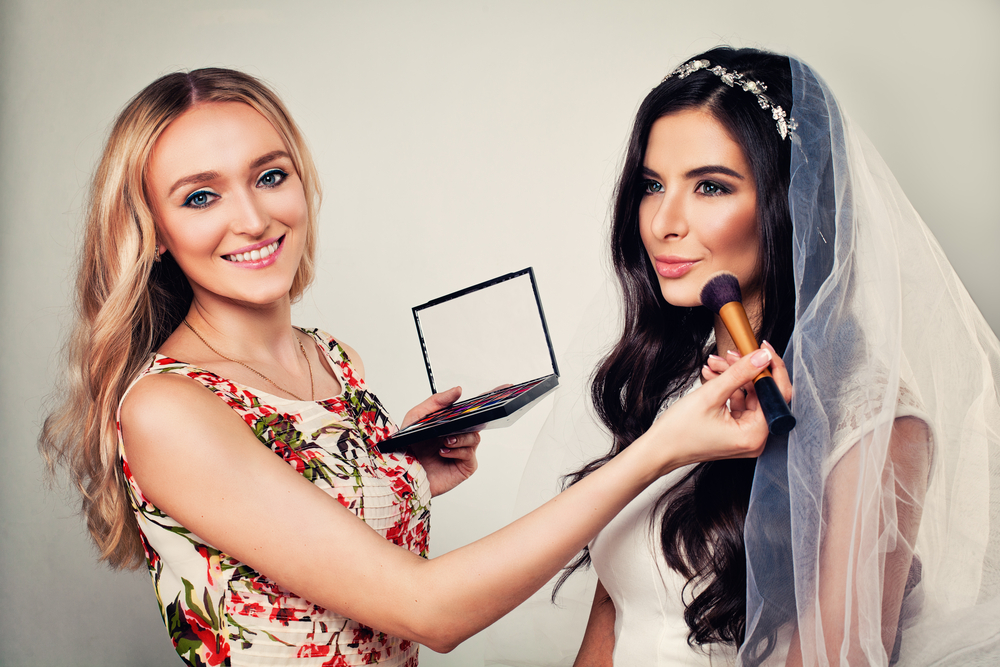
Product Selection for Lasting Results
Foundation Choices
Not all foundations perform equally for bridal work:
Long-Wear Formulas: Specifically designed for extended wear, these foundations resist breakdown better than standard formulas.
Transfer-Resistant Options: Reduce transfer onto clothing, tissues, and during embraces.
Appropriate Coverage: Match coverage level to skin condition and bride’s preferences. Buildable formulas allow customisation.
Finish Considerations: Matte finishes last longer but may photograph flat; dewy finishes look beautiful but may break down faster on oily skin. Satin finishes often offer the best compromise.
According to Allure’s professional recommendations, testing foundations for at least 8 hours before the wedding day reveals their true performance.
Concealer Strategies
High-wear concealer for under-eyes and spot coverage is essential. Set under-eye concealer with translucent powder to prevent creasing during the long day.
Eye Makeup Products
Eyeshadow Primer: Non-negotiable for lasting eye makeup. Creates grip for eyeshadow and prevents creasing.
Powder Shadows: Generally outlast cream formulas for extended wear, though quality cream products have improved significantly.
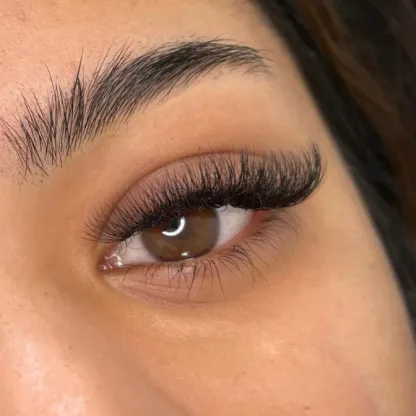
Waterproof Mascara: Tear-proof mascara is essential. Waterproof formulas resist emotional moments and humidity.
Long-Wear Liner: Gel or liquid liners typically outlast pencils. If using pencil, set with matching eyeshadow.
Lip Products
Lips require frequent attention throughout the day. Options for extended wear:
Long-Wear Liquid Lipsticks: Modern formulas offer comfortable wear with minimal transfer. These require less frequent touch-ups.
Lip Liner Base: Filling the entire lip with liner before lipstick adds longevity to traditional bullet lipsticks.
Lip Stains: Provide lasting colour that won’t transfer, though they may feel less luxurious.
Provide a lip touch-up kit regardless of product choice—lips are the most likely area to need refreshing.
Application Techniques for Longevity
Thin, Built Layers
Multiple thin layers of product last longer than single thick applications. This principle applies to foundation, concealer, and colour products. Allow each layer to set before adding the next.
Setting Between Steps
Set each step appropriately before moving to the next. Powder foundation after application. Set concealer under eyes. Allow primer to become tacky before foundation.
Cream Before Powder
Follow the cream-before-powder rule. Apply cream blush before powder blush for dimensional colour that lasts. The same applies to cream and powder highlights.
Strategic Powder Placement
Powder is essential for longevity but should be applied strategically:
Set the T-zone: The oiliest areas need powder most.
Light Touch Elsewhere: Over-powdering can emphasise texture and age the appearance.
Baking: For dramatic events, baking (applying heavy powder to set areas, then brushing away excess after several minutes) creates extremely long-lasting concealer, particularly under eyes.
Blending Thoroughly
Properly blended makeup lasts longer than product sitting on the skin surface. Press and blend products into skin rather than simply brushing over the top.
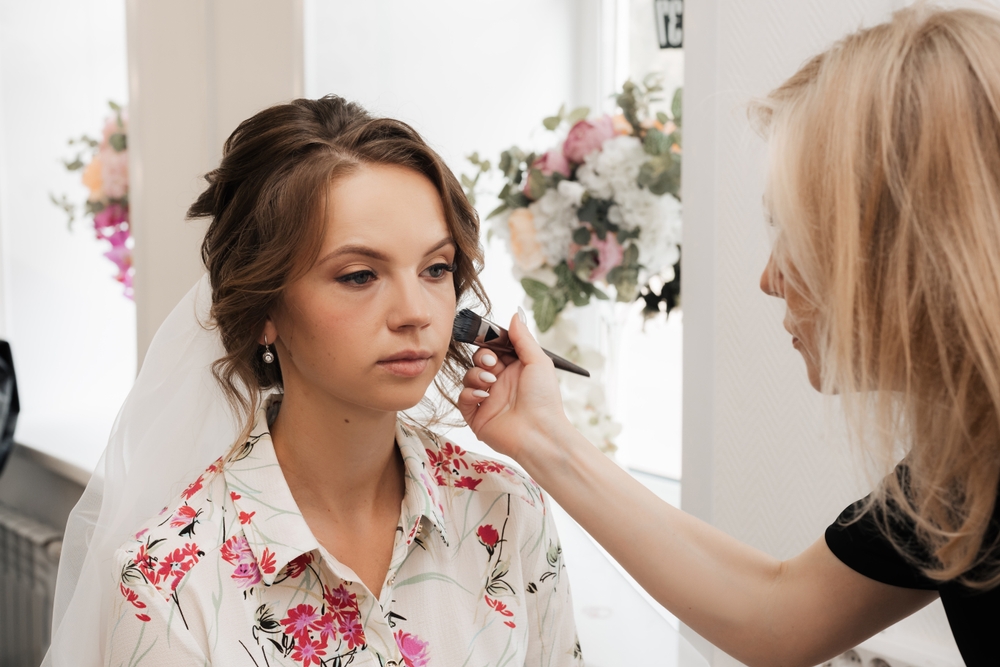
Setting Techniques for Maximum Wear
Setting Powder
Translucent setting powder is essential for longevity on most skin types. Pressed powders are convenient; loose powders provide lighter, more customisable coverage.
For oily-skinned brides, mattifying powders throughout the day may be necessary. For dry-skinned brides, minimal powder focused only on the T-zone prevents cakey appearance.
Setting Spray
A quality setting spray locks everything in place:
Application: Hold 8-10 inches from face and mist in a cross pattern, allowing to dry naturally.
Timing: Apply after completing makeup, and can be reapplied throughout the day if needed.
Product Selection: Mattifying sprays for oily skin; hydrating sprays for dry skin; long-wear sprays for maximum endurance.
Professional-grade setting sprays dramatically outperform drugstore options for event makeup.
The Bridal Trial: Setting Expectations
Trial Importance
Never skip the bridal trial. This appointment—typically 4-8 weeks before the wedding—allows you to perfect the look, test product longevity, and manage expectations.
Trial Protocol
Consultation: Discuss inspiration, preferences, and concerns before beginning.
Full Application: Apply complete makeup as you would on the wedding day.
Documentation: Photograph the result from multiple angles and in different lighting.
Wear Test: Ask the bride to keep makeup on for several hours and report back on longevity.
Adjustments: Note any needed modifications for the wedding day.
Managing Expectations
Brides sometimes have unrealistic expectations influenced by heavily filtered social media images. Gently educate about what’s achievable while assuring them they’ll look beautiful. The goal is the best version of themselves, not an unrecognisable transformation.
Touch-Up Strategies
Preparing a Touch-Up Kit
Assemble a touch-up kit for the bride including blotting papers for oil control, powder compact for T-zone refreshing, lipstick or gloss in her colour, setting spray travel size, cotton buds for minor corrections, and mascara for any smudge touch-ups.
Touch-Up Timing
Brief the bride or maid of honour on optimal touch-up timing. Before ceremony if any travel or waiting. After ceremony before photos. Before reception entrance. Before cake cutting and special dances.
Touch-Up Technique
Teach the bride or her helper proper touch-up technique. Blot before powdering—don’t powder over oil. Apply lipstick from centre outward. Use clean fingers to blend any creased product.
Building Your Bridal Makeup Expertise
Bridal work requires not just technical skill but also people skills. Managing bridal nerves, working efficiently in chaotic getting-ready rooms, and collaborating with photographers and planners are essential.
Complementary hair skills make you more valuable for bridal bookings. Our Certificate In Professional Hair Styling enables you to offer combined hair and makeup services—the most sought-after bridal package.
Ready to become a sought-after bridal makeup artist? Our Certificate in Professional Make Up Artistry teaches the techniques that create lasting, photograph-perfect bridal looks. With comprehensive training in long-wear application, product selection, and client management, you’ll build the skills that brides trust with their special day. Start your bridal makeup training today and create beautiful memories for brides across the UK.