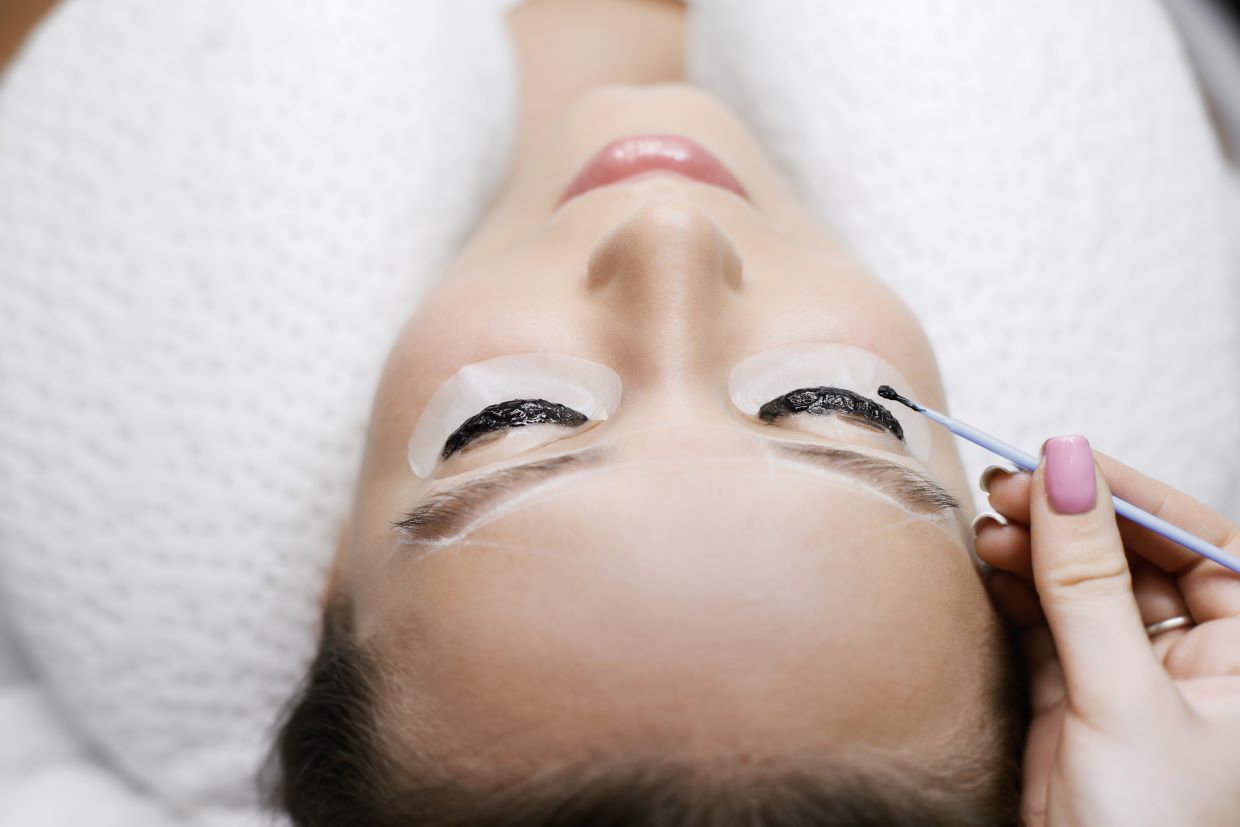
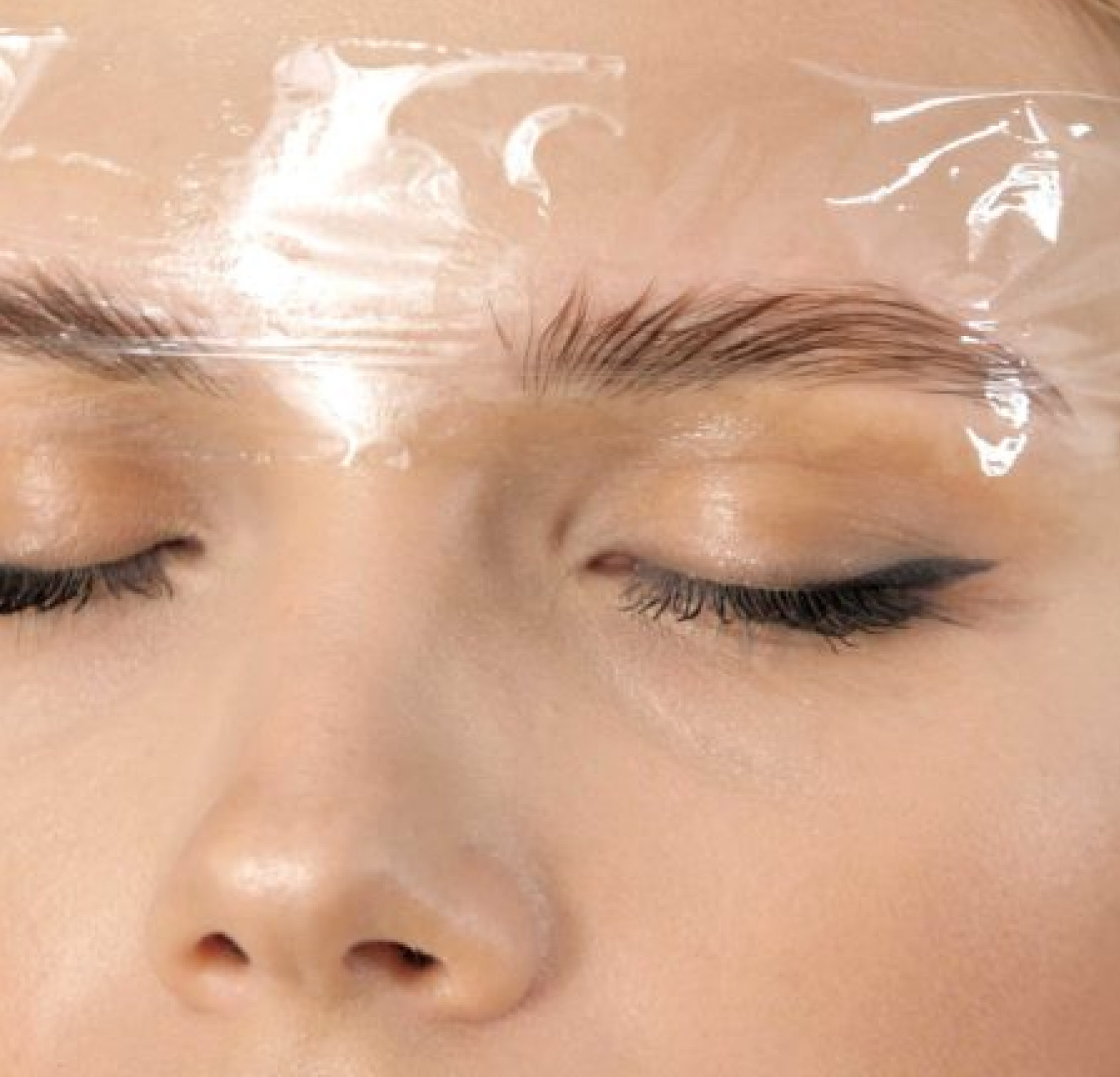
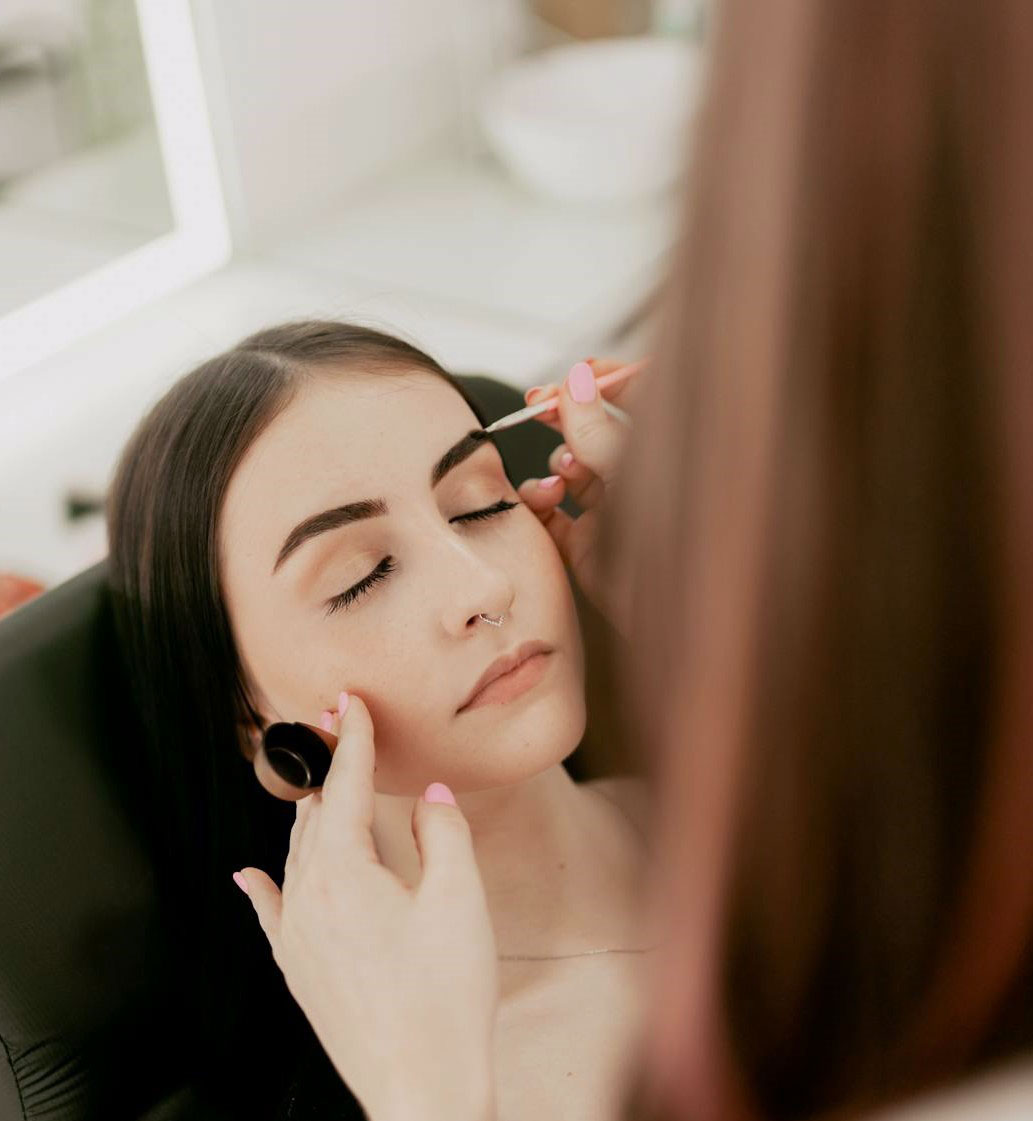
No, it’s not safe to laminate your brows while actively using retinol in your skincare routine. Retinol makes your skin significantly more sensitive, which can lead to irritation, redness, or even chemical burns when combined with the chemicals used in brow lamination. This interaction is one of the most important contraindications for brow technicians to understand and communicate to clients.
For best results and maximum safety, stop using retinol at least 5–7 days before and after your brow lamination treatment. Some dermatologists recommend even longer breaks for prescription-strength retinoids, potentially up to two weeks.
At UK Beauty School, we train our students and future clients to approach brow lamination with care—especially when other active skincare products, like retinol, are in play. Understanding these interactions is part of what separates professional technicians from amateurs.
What Is Retinol and Why Does It Matter?
Retinol is a powerhouse skincare ingredient derived from vitamin A. According to the British Association of Dermatologists, it boosts cell turnover and stimulates collagen production, making it one of the most effective ingredients for anti-aging and acne treatment. It’s found in everything from high-street serums to prescription-strength treatments like tretinoin.
However, with great power comes significant side effects—retinol can cause dryness, peeling, redness, and dramatically increased sensitivity, especially when first introduced or used at higher concentrations. These effects can be pronounced in the UK’s variable climate, where cold, damp weather can already stress the skin.
The mechanism is straightforward: retinol accelerates the shedding of dead skin cells and thins the outer layer of skin (the stratum corneum). While this creates the smooth, glowing complexion users love, it also leaves skin more vulnerable to chemical and environmental stressors.
Retinol users often don’t realise how significantly the product affects their skin’s protective barrier. Even if they don’t experience visible peeling or irritation, their skin is still more sensitive than non-retinol users.
How Retinol Affects Brow Lamination
Yes, retinol absolutely can affect your lamination treatment—and not in a good way. Understanding these interactions helps both technicians and clients make informed decisions:
Skin Sensitivity
Retinol thins the top layer of skin, making it significantly more prone to irritation. The skin barrier becomes compromised, leaving it vulnerable to chemical reactions that wouldn’t occur on healthy, intact skin.
This thinning effect means that the chemicals in lamination solutions can penetrate more deeply than intended. What would normally affect only the surface level of skin can reach deeper, more sensitive layers.
Chemical Interaction
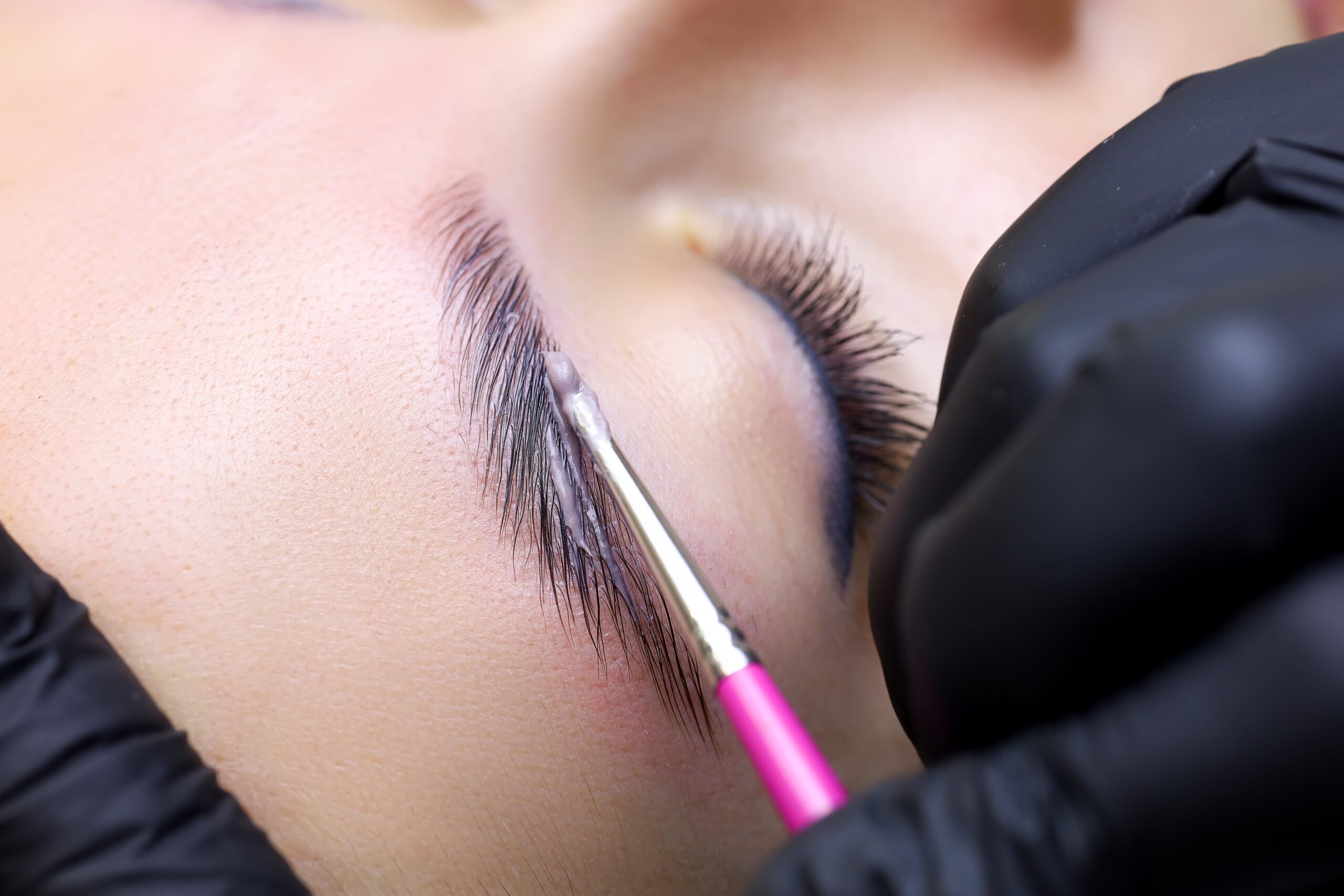
The chemicals used in lamination—including thioglycolic acid and other reducing agents—can penetrate deeper into retinol-treated skin and cause more harm than they would on untreated skin. What would normally be a surface-level treatment becomes a deeper penetration with greater potential for adverse reactions.
The pH changes that occur during lamination can also interact unpredictably with retinol-sensitised skin, potentially causing reactions that wouldn’t occur otherwise.
Risk of Burns or Peeling
Clients have experienced chemical burns when lamination was done on retinol-exposed skin. The combination of compromised skin barrier and chemical solutions creates a perfect storm for irritation, peeling, and in severe cases, scarring.
These reactions can appear immediately or develop over the hours following treatment. Some clients don’t notice problems until they wake up the next morning with red, peeling, or blistered skin.
Unpredictable Results
Even without visible damage, retinol use can affect how the lamination adheres and performs. Clients may experience shorter-lasting results, uneven lifting, or brows that don’t hold their shape due to the altered skin and hair condition.
Who Should Be Extra Cautious?
If you’re actively using retinol or have recently started, you’re at higher risk during brow lamination. People with the following should be especially cautious and may require extended waiting periods:
Sensitive or reactive skin that typically responds strongly to skincare products. Even small amounts of retinol can create significant sensitivity in these individuals. Recent sunburn or any skin damage in the brow area, as damaged skin is even more vulnerable to chemical irritation.
History of allergic reactions to cosmetic treatments or skincare ingredients. Those using prescription-strength retinoids like tretinoin, which are significantly stronger than over-the-counter options and create more pronounced skin changes.
Clients who have recently started retinol (within the past 3 months) may also be at higher risk, as their skin is still adjusting to the ingredient.
At UK Beauty School, we always recommend a thorough skin consultation before proceeding with any chemical brow services. This consultation should include specific questions about skincare routines and product usage.
Expert Opinions on the Retinol-Lamination Interaction
Many skin professionals and dermatologists agree that combining retinol and brow lamination without proper timing is problematic. According to skincare experts, you should treat retinol as you would any other sensitising treatment and allow adequate recovery time before chemical services.
Some professionals recommend even longer breaks for clients using prescription tretinoin or those who experience significant side effects from their retinol products. When in doubt, err on the side of caution—the consequences of proceeding too soon can be severe.
The general consensus in the professional beauty community is that the temporary inconvenience of pausing retinol is far preferable to the potential consequences of proceeding without adequate preparation.
Safe Treatment Timeline for Brow Lamination
Before Your Appointment
Plan ahead and book your lamination at least 1–2 weeks after your last retinol use. If you use retinol daily, you’ll need the full 7-day break. If you use it less frequently (every other day or a few times weekly), 5 days may be sufficient.
Hydrate and heal by supporting your skin barrier with ceramides and gentle moisturisers before treatment. Focus on repairing any irritation or sensitivity before adding more chemical stress to the skin.
Communicate with your technician about everything you’ve applied to your skin in the past week, including any prescription products, vitamin C serums, or chemical exfoliants. Complete honesty during consultation prevents complications during treatment.
After Your Appointment
Think of your skin as a canvas—brow lamination works best on a smooth, calm surface and leaves skin temporarily sensitised. After lamination, prioritise recovery:
Avoid water or steam on brows for the first 24 hours to allow the treatment to set properly. No exfoliants or active ingredients for 5-7 days, including vitamin C, AHAs, BHAs, and of course, retinol.
Use a nourishing brow serum to condition both hair and the surrounding skin. Look for gentle, hydrating formulas without active ingredients.
When Can You Resume Retinol?
Wait at least 5-7 days after your lamination before reintroducing retinol to your routine. Start slowly—perhaps every other day initially—and monitor your skin for any signs of increased irritation.
The brow area will be more sensitive than usual immediately after lamination, even without retinol complications. Giving your skin time to fully recover before resuming active ingredients ensures the best outcomes for both your skin health and your lamination results.
If you experience any unusual irritation when restarting retinol, pause again and consult with a skincare professional.
Client Education Is Essential
For beauty professionals, understanding contraindications like retinol use is essential knowledge. Our Certificate in Eyebrow Lamination covers client consultations and safety protocols in detail, including how to ask about skincare routines and how to advise clients on preparation.
Many clients don’t realise their skincare products can affect beauty treatments. Part of providing excellent service is educating clients about these interactions and helping them prepare properly for their appointments. This education builds trust, prevents complications, and creates better outcomes for everyone.
Including a simple skincare questionnaire in your intake forms helps identify potential issues before they become problems. Ask specifically about retinol, chemical exfoliants, recent facial treatments, and any prescription skincare products.
Building a Safe Practice
The interaction between retinol and brow lamination is just one example of why comprehensive training matters. Beauty treatments don’t exist in isolation—they interact with clients’ skincare routines, medications, health conditions, and lifestyle factors.
Professional training from UK Beauty School provides the knowledge framework to navigate these complexities safely. Understanding contraindications, proper consultation techniques, and how to adapt treatments to individual clients separates professional technicians from those who simply follow basic protocols.