Your makeup artist portfolio is your most powerful marketing tool—a visual representation of your skills, style, and versatility that sells your services before you say a word. A strong portfolio attracts clients, opens doors to opportunities, and establishes your professional credibility in a competitive industry.
Building an impressive portfolio requires strategic planning, collaboration with photographers and models, and an understanding of what potential clients and employers want to see. It’s an ongoing project that evolves throughout your career as your skills develop and trends change.
At UK Beauty School, portfolio development is integrated into our Certificate in Professional Make Up Artistry, ensuring graduates have professional images to launch their careers.
Understanding Portfolio Purpose
Who Will View Your Portfolio?
Different audiences look for different things:
Potential Clients: Brides, event attendees, and personal clients want to see themselves in your work. They look for relatability—models who look like them, styles they could imagine wearing.
Agencies and Production Companies: Editorial, film, and commercial clients want versatility and technical skill. They need to know you can execute creative briefs and work professionally on set.
Brands and Retailers: Beauty brands want artists who understand product application and can represent their aesthetic.
Fellow Professionals: Photographers, hair stylists, and planners looking for collaboration partners assess both skill and professionalism.
Understanding your target audience shapes what you include and how you present it.
Portfolio vs Social Media
Your portfolio is curated—only your absolute best work, organised thoughtfully. Social media shows your range and personality but can include more casual content. According to industry professionals, a dedicated portfolio website alongside an active social media presence represents the ideal combination.
Your portfolio should feel elevated and intentional; social media can be more accessible and personal.
Essential Portfolio Content
Range of Looks
Demonstrate versatility through variety:
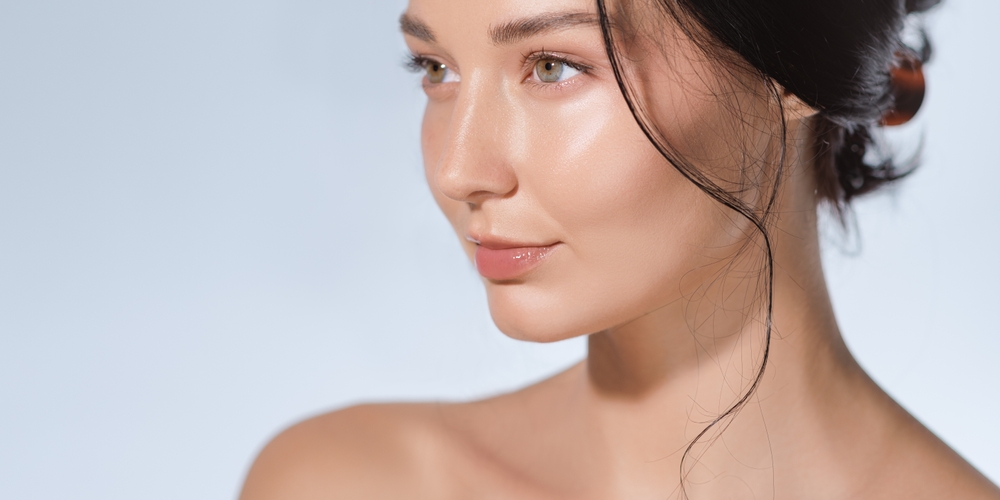
Natural/No-Makeup Makeup: The “enhanced but undetectable” look that many clients request. This demonstrates skill in subtle colour matching and application precision.
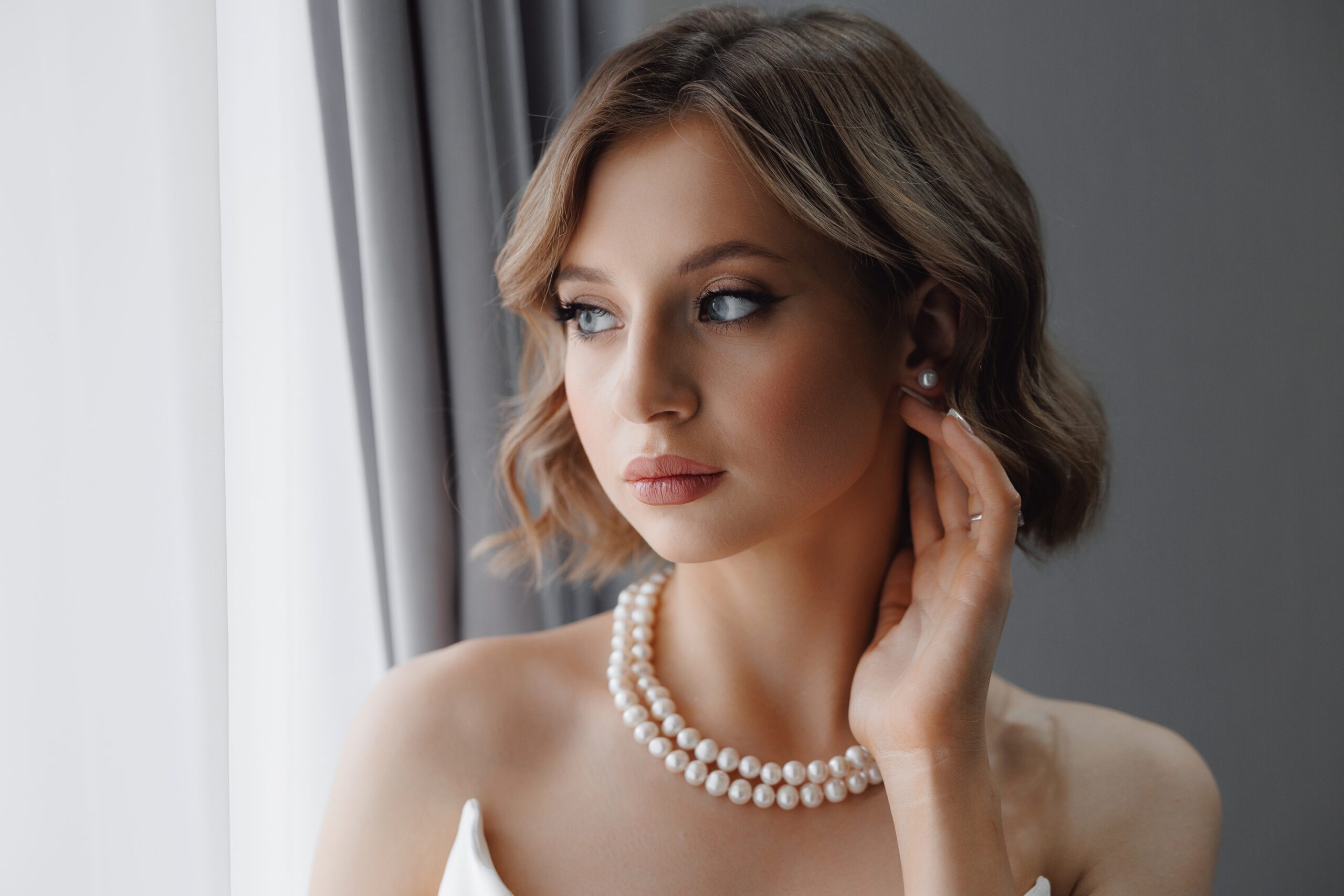
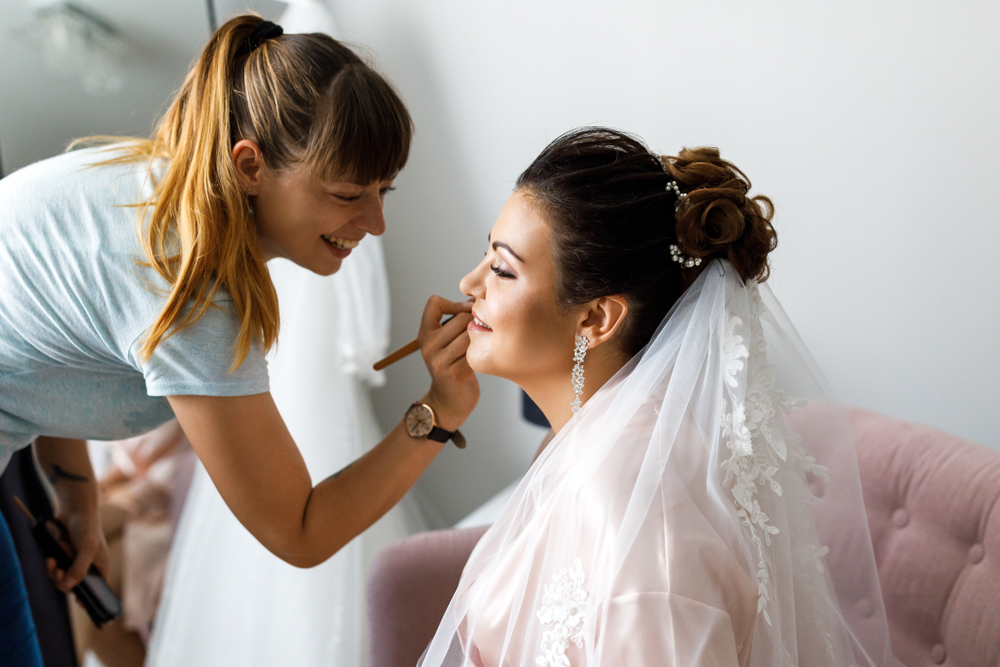
Bridal: If pursuing wedding work, include classic bridal looks that showcase timeless elegance—typically soft, romantic, and photograph-ready.
Evening/Glamour: Show your ability to create dramatic impact with smoky eyes, bold lips, and sculpted features.
Editorial/Creative: Include at least some creative work that shows artistic vision, even if commercial work is your focus. This demonstrates imagination and skill.
Specialisations: If you have specific expertise (SFX, editorial, theatrical), showcase it prominently.
Technical Demonstrations
Include images that specifically demonstrate technical skills:
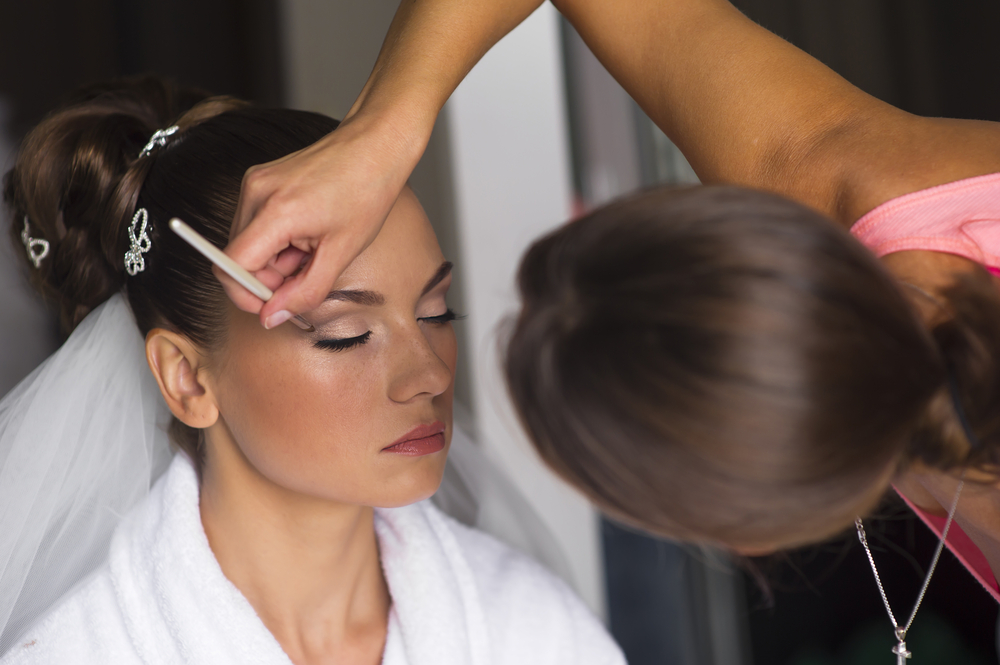
Skin Perfection: Close-up images showing flawless base work—essential for commercial and bridal artists.
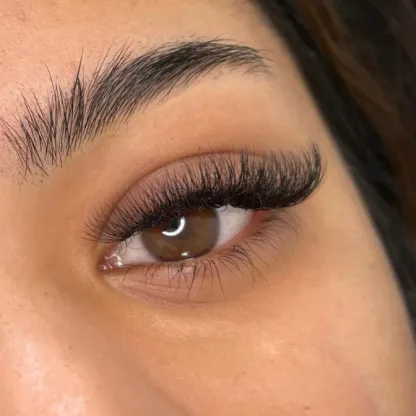
Eye Makeup Detail: Macro shots of eye looks demonstrating blending, liner precision, and lash application.
Before and After: These powerfully demonstrate your impact. Clients can visualise their own transformation.
Diversity of Models
Working with diverse models demonstrates your capability with all clients:
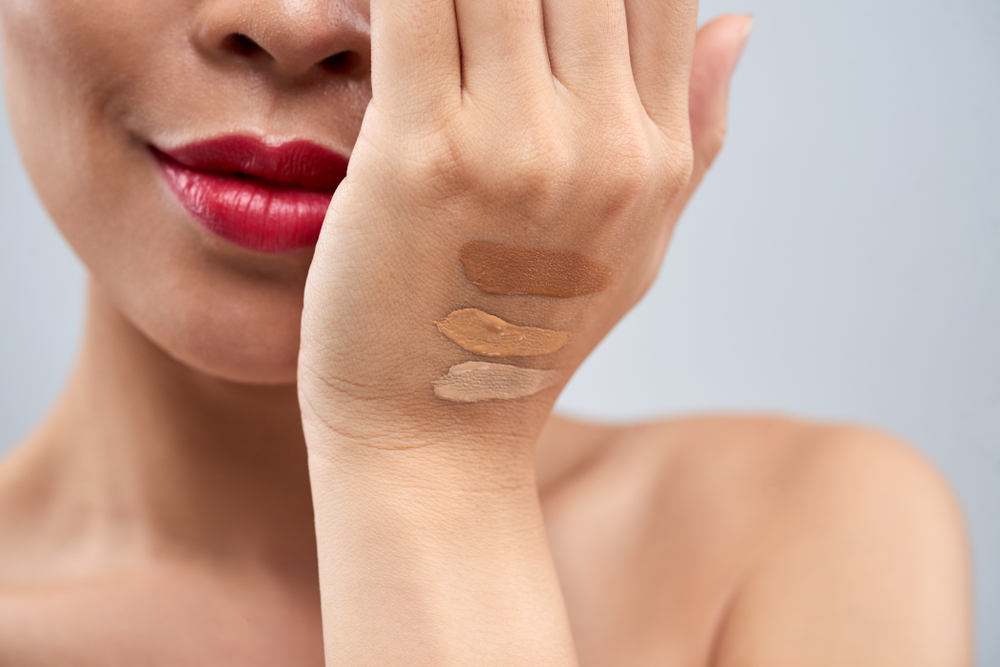
Various Skin Tones: From very fair to deep dark skin, showing competence with colour matching and product selection across the spectrum.
Different Ages: Young, middle-aged, and mature models show you can work with clients at any life stage.
Various Features: Different eye shapes, face shapes, and ethnic features demonstrate adaptability.
Limited diversity in your portfolio suggests limited skill—potential clients may assume you can’t work with people who don’t look like your models.
Sourcing Models for Portfolio Building
Starting Points
Friends and Family: Your first models while developing skills. They’re forgiving of learning curves and available for practice.
Fellow Students: If taking courses, collaborate with classmates for mutual portfolio building.
Social Media Callouts: Post requests for models willing to exchange their time for professional images and complimentary makeup.
Model Networking Platforms
Several platforms connect aspiring models with makeup artists for mutually beneficial collaborations:
Model Mayhem: Long-established platform where models and creatives connect for TFP (Time for Print) collaborations.
Instagram: Direct outreach to aspiring models or people with interesting features can yield willing subjects.
Facebook Groups: Local creative collaboration groups often connect MUAs with models.
TFP Collaborations
TFP (Time for Print) arrangements involve everyone working without payment in exchange for portfolio images. These are standard practice for building portfolios and should be approached professionally:
Clear Expectations: Discuss in advance what looks will be created, who receives images, and how long the shoot will take.
Image Usage Rights: Establish that all parties can use images for promotional purposes.
Professional Conduct: Treat TFP collaborations as professionally as paid work—punctuality, preparation, and quality execution build your reputation.

Working with Photographers
Finding Photographers
Quality photography transforms good makeup into stunning portfolio images. Seek photographers through:
Portfolio Review Sites: Review photographer portfolios on their websites and Model Mayhem profiles.
Instagram: Follow photographers whose aesthetic aligns with yours and reach out about collaboration.
Photography Schools: Students often seek creative partners for their own portfolio building.
Networking Events: Industry mixers and creative meetups connect photographers and makeup artists.
Approaching Photographers
When reaching out to photographers:
Be Professional: Introduce yourself, share your portfolio/Instagram, and propose a specific collaboration concept.
Bring Ideas: Photographers appreciate collaborators who contribute creative direction, not just execution.
Be Flexible: Accommodate photographer schedules and creative preferences—collaboration is mutual.
Follow Through: Reliability and professionalism lead to ongoing relationships and referrals.
Understanding Photography Basics
Working effectively with photographers means understanding their craft:
Lighting: Different lighting setups require makeup adjustments. Harsh flash shows every texture; soft light is more forgiving.
Colour Temperature: Lighting warmth affects how makeup colours appear. Communicate with photographers about final image processing.
Composition: Understand what the photographer is capturing so you can ensure makeup supports the shot.
According to professional makeup artists, strong photographer relationships are the fastest path to a quality portfolio.
Creating Your Portfolio
Physical Portfolio
A physical portfolio book remains relevant for in-person meetings:
Quality Album: Invest in a professional presentation book with high-quality prints.
Image Selection: Include 15-25 images maximum—quality over quantity.
Print Quality: Professional printing on quality paper—home printing doesn’t convey professionalism.
Organisation: Group images logically—by style, by shoot, or by skill demonstration.
Digital Portfolio
Digital presence is essential in today’s industry:
Professional Website: A dedicated website (yourname.com or similar) provides credibility and control over presentation. Include your best portfolio images, services offered, contact information, and booking process.
PDF Portfolio: A downloadable PDF version for email submissions to agencies, brands, or production companies.
Cloud Access: Keep high-resolution images accessible for media submissions or last-minute client requests.
Social Media as Portfolio
Instagram serves as a living portfolio for many makeup artists:
Curated Feed: Maintain visual consistency and quality standards in your grid.
Highlights: Use highlights to organise work by category (bridal, editorial, natural, etc.).
Regular Updates: Keep content fresh to demonstrate current skill and activity.
Engagement: Respond to comments and messages professionally—potential clients observe your interactions.
Quality Standards
Image Quality Requirements
Professional Photography: Invest in professional shoots rather than relying on phone photos or amateur photography. The difference is immediately apparent.
Good Lighting: Images should show makeup clearly without harsh shadows or colour distortion.
Sharp Focus: Blurry images suggest amateur work, regardless of makeup quality.
Clean Editing: Professional retouching that enhances without obviously altering. Over-edited images misrepresent your actual capabilities.
Makeup Quality Standards
Only include images where:
Application is Flawless: No visible errors, patches, or inconsistencies.
Colour Choices Work: Harmonious, intentional colour stories.
Techniques are Executed Well: Proper blending, clean lines, symmetrical application.
The Look is Complete: All elements work together cohesively.
If an image showcases beautiful eye makeup but has visibly patchy foundation, it shouldn’t make your portfolio.
Evolving Your Portfolio
Regular Updates
Your portfolio should evolve as your skills develop:
Remove Weaker Work: As you create stronger images, phase out earlier work that no longer represents your current level.
Reflect Current Trends: Update with contemporary looks while maintaining timeless content.
Add New Skills: As you learn new techniques or specialisations, include them.
Tracking Your Growth
Compare your portfolio year-over-year. Progress should be visible. If your work isn’t improving, identify areas for development through additional training or practice.
Using Your Portfolio Effectively
Customising for Opportunities
Tailor portfolio presentation to specific opportunities:
Bridal Enquiries: Lead with romantic, timeless looks on relatable models.
Editorial Submissions: Lead with creative, fashion-forward work.
Agency Applications: Demonstrate versatility and professional-quality imagery.
Following Up
When sharing your portfolio, follow up professionally. After meetings or submissions, send thank-you messages. Track responses and refine your approach based on feedback.
Building complementary skills strengthens your portfolio offerings. Our Certificate In Professional Hair Styling enables you to create complete beauty looks for portfolio shoots.
Ready to build a portfolio that opens doors? Our Certificate in Professional Make Up Artistry includes portfolio development guidance alongside comprehensive makeup training. Learn to create stunning looks, work with photographers, and present yourself professionally to attract the clients and opportunities you deserve. Start building your portfolio today and launch your makeup artist career.