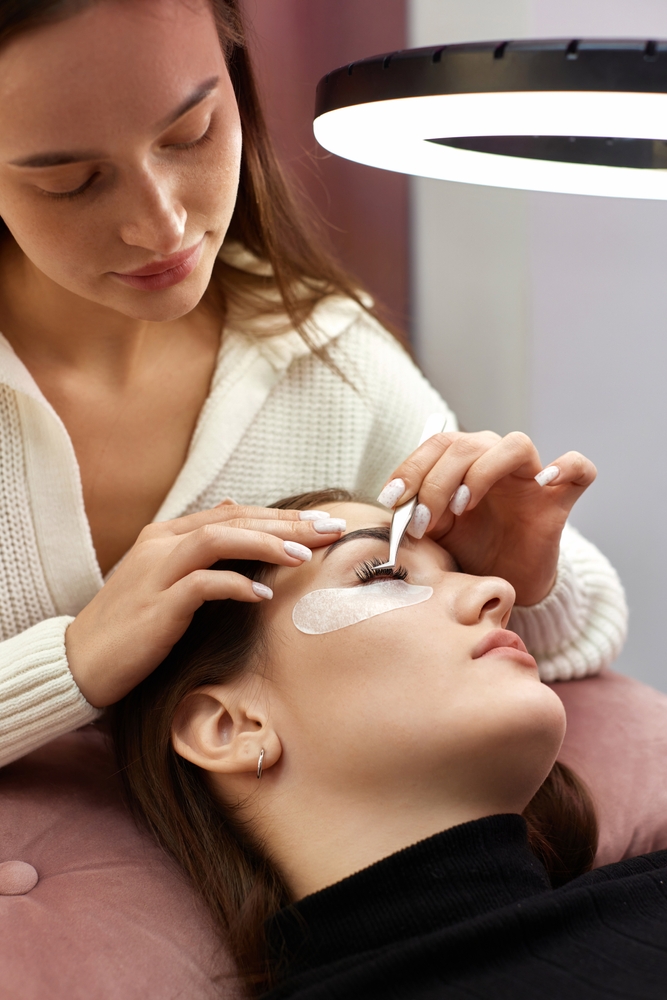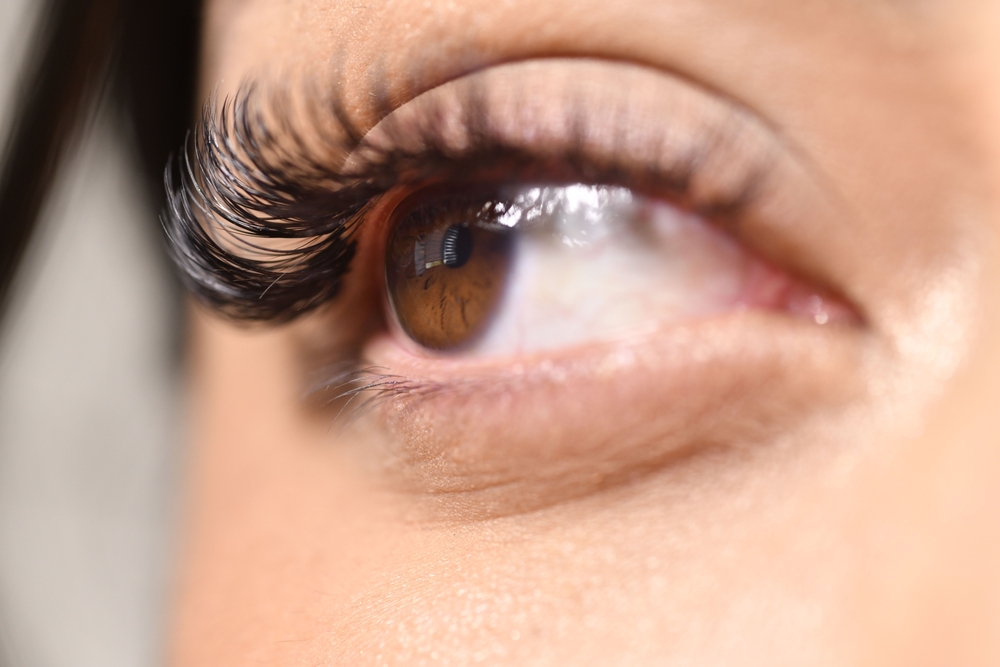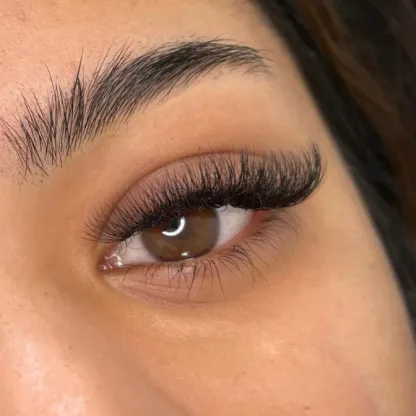
When applied correctly by a trained professional, a lash lift is completely safe and gives natural lashes a beautiful, lasting curl without damage. Lash thinning, fallout, or breakage usually happens due to overprocessing or incorrect application—not the treatment itself when performed properly.
At UK Beauty School, we train lash technicians to understand every layer of lash structure and health, ensuring they can deliver beautiful lifts while protecting the natural lashes they’re working with. This knowledge-based approach produces better results and builds client trust.
The question of lash lift safety is one of the most common concerns clients raise. Understanding the facts—and being able to address myths confidently—helps technicians build trust and grow their business.
What Is a Lash Lift?
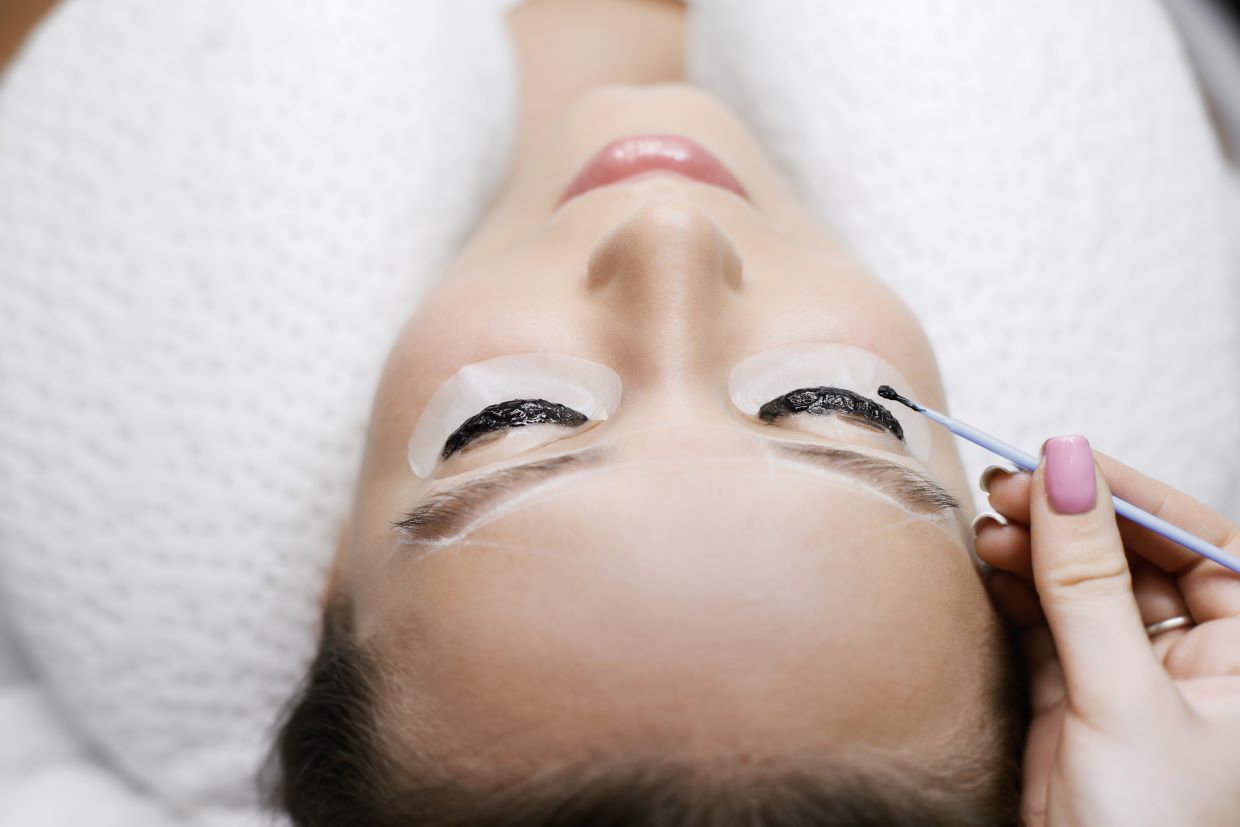
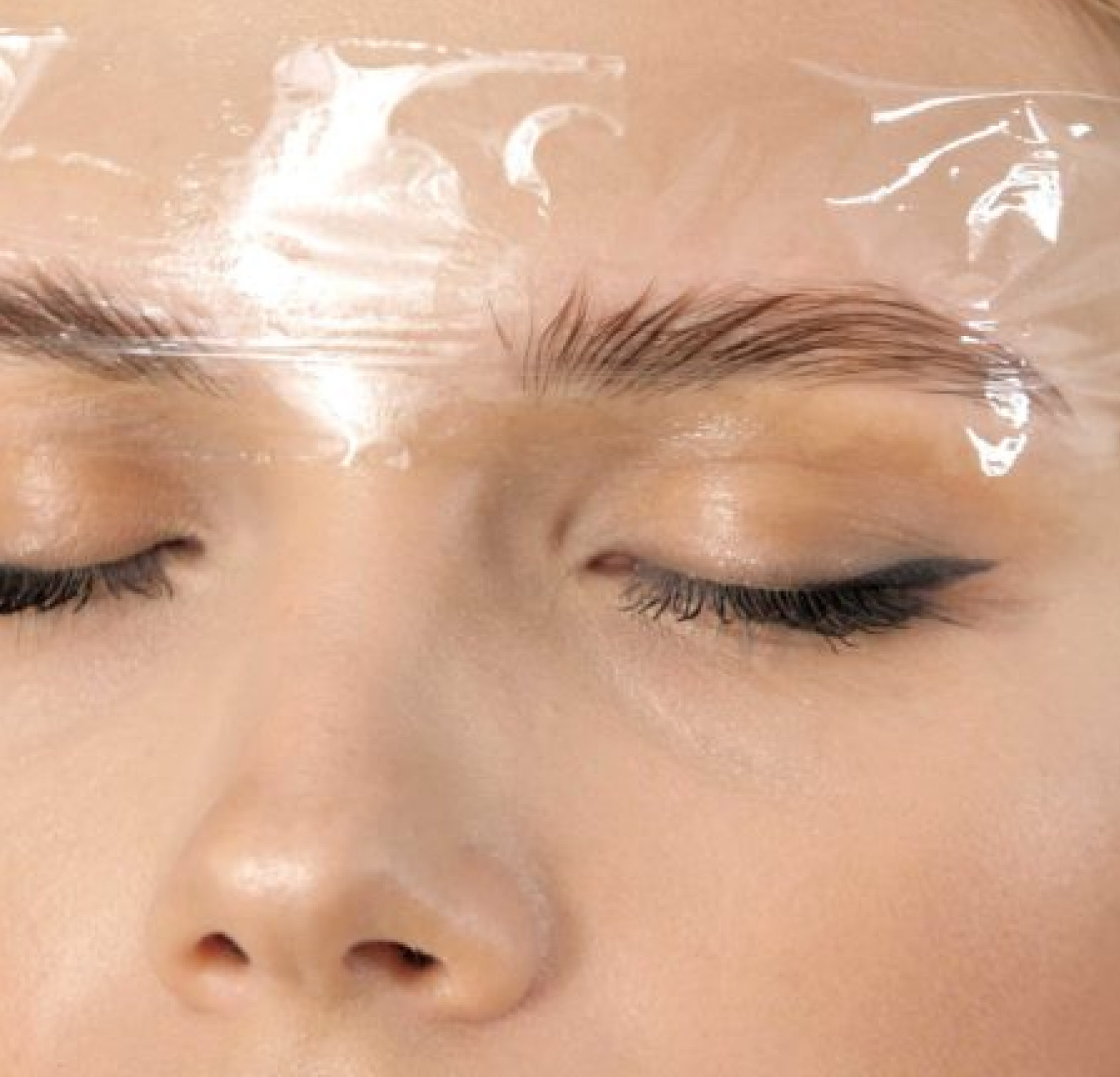
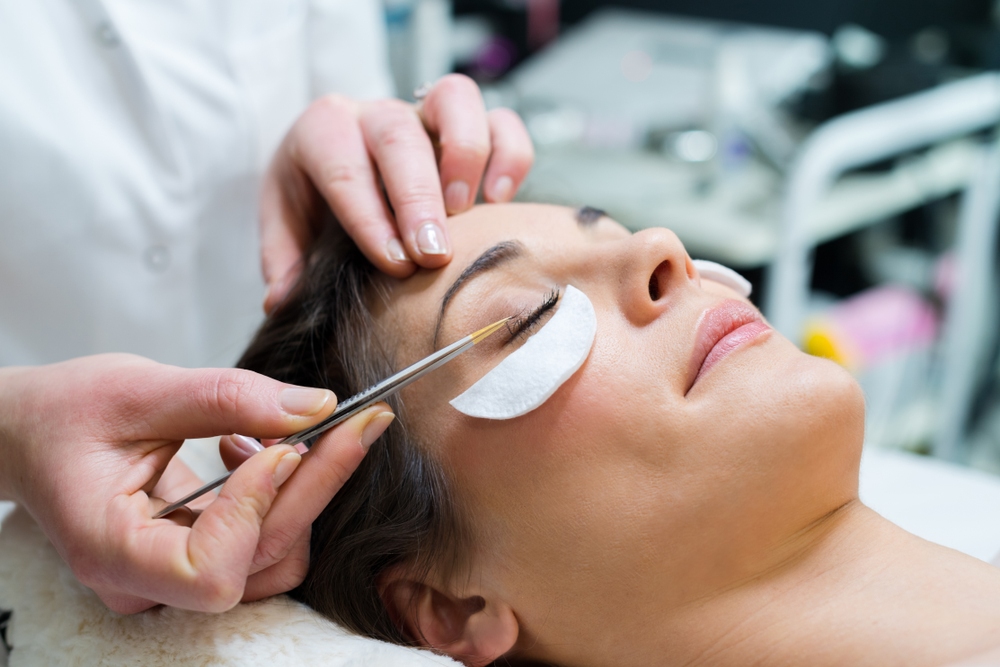
A lash lift is a semi-permanent treatment that curls natural lashes from the root, creating the appearance of longer, more defined lashes without extensions. Think of it as a perm for your eyelashes—chemical solutions are used to break and reform the bonds in the lash hair, allowing it to be reshaped.
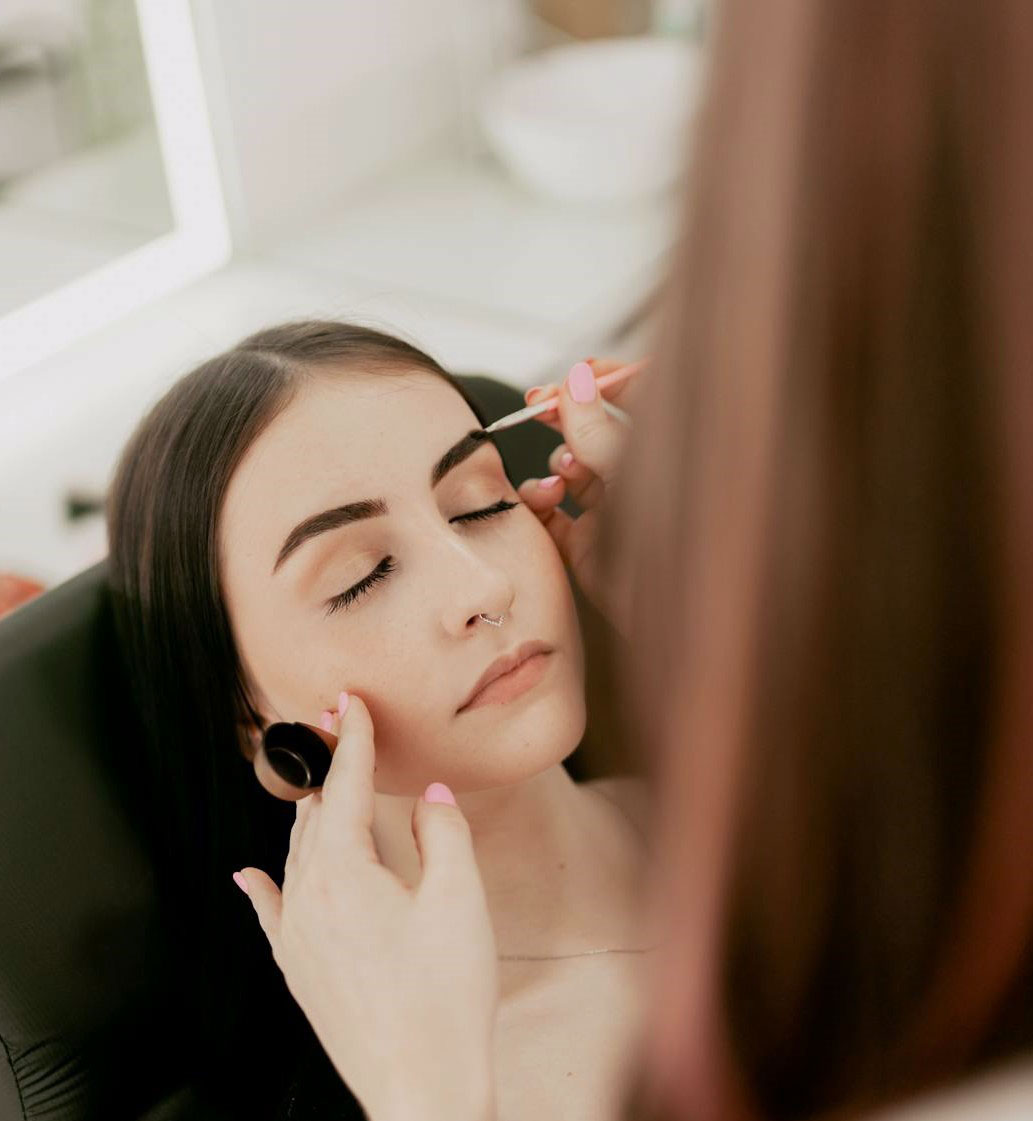
The treatment lifts natural lashes upward and outward, enhancing their appearance without adding synthetic fibres. When combined with a tint, lash lifts create the effect of mascara that never smudges or needs reapplication.
Results typically last 6-8 weeks—the natural lifespan of the lash growth cycle. As natural lashes shed and new ones grow in, the lifted lashes are gradually replaced by lashes with their natural curl pattern.
How Lash Lifts Differ from Other Treatments
Lash Lifts vs Extensions: Extensions add synthetic fibres to natural lashes, increasing length and volume. Lifts curl and enhance existing natural lashes without adding anything. Lifts are lower maintenance and involve no risk of damage from weight or adhesive.
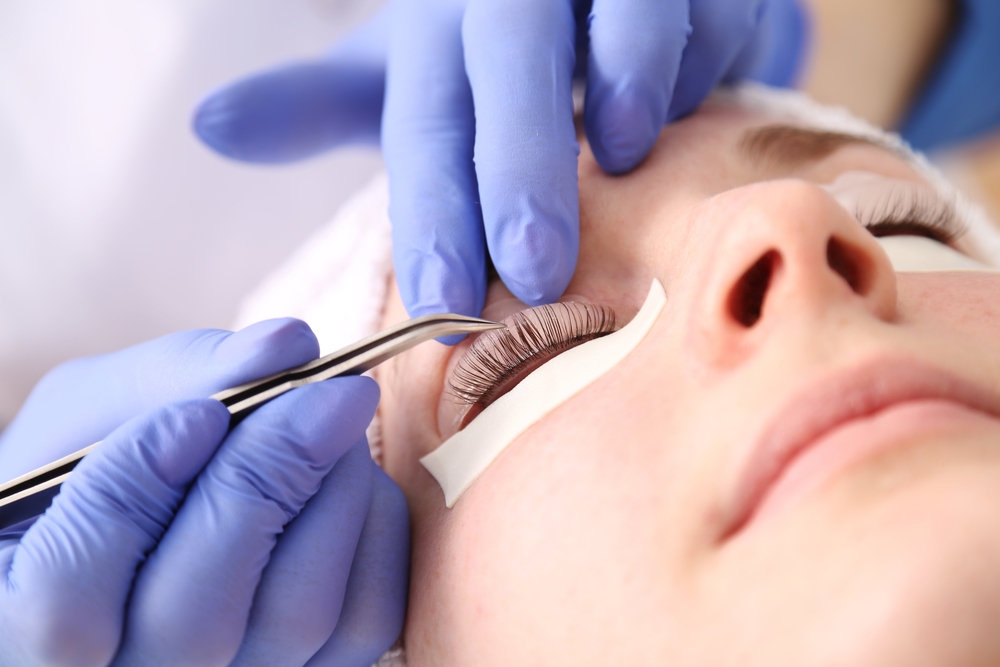
Lash Lifts vs Lash Perms: Traditional lash perms used small cylindrical rods and older chemical formulations. Modern lifts use silicone shields or rods and gentler solutions. The silicone shield creates a smooth, lifted curl rather than the crimped curl sometimes seen with old-style perms.
Common Myths About Lash Lift Safety
Myth: Lash Lifts Ruin Your Natural Lashes
Truth: When applied properly by a trained technician and not performed too frequently (every 6-8 weeks minimum), lash lifts do not harm lash integrity. The chemical solutions used are designed for the delicate lash area and, when processed correctly, don’t damage the lash structure.
The belief that lifts cause damage often comes from poor experiences with undertrained technicians who overprocess or apply incorrectly. A properly performed lift leaves lashes healthy and beautiful. According to Healthline’s beauty experts, lash lifts are considered safe when performed correctly.
Myth: DIY Lash Lift Kits Are Just As Good
Truth: At-home lash lift kits carry significant risks. Without proper training, timing chemical processing accurately is extremely difficult. Overprocessing causes dry, brittle, over-curled lashes that may break. Underprocessing results in no lift or uneven results. Improper solution placement can contact the eye, causing irritation or injury.
Professional technicians are trained to assess each client’s lash type, select appropriate products, time processing accurately, and handle any issues that arise. This expertise cannot be replicated with a YouTube tutorial.
Myth: Lash Lifts Are Completely Maintenance-Free
Truth: While lash lifts are lower maintenance than extensions, proper aftercare is crucial for maintaining the lift and preserving lash health. The first 24-48 hours are critical, and ongoing care extends results and protects lashes.
Clients who ignore aftercare instructions often experience premature lift loss or lash dryness. Education is part of the service.
Myth: Anyone Can Perform Lash Lifts Safely
Truth: Lash lifts involve chemicals applied near the eyes. Proper training in anatomy, product chemistry, timing, and safety protocols is essential. Untrained practitioners risk injuring clients, damaging lashes, and potential legal liability.
Professional training through programmes like our Certificate in Eyelash Lift and Tint ensures technicians understand the science behind the treatment, not just the steps.
Potential Risks When Done Incorrectly
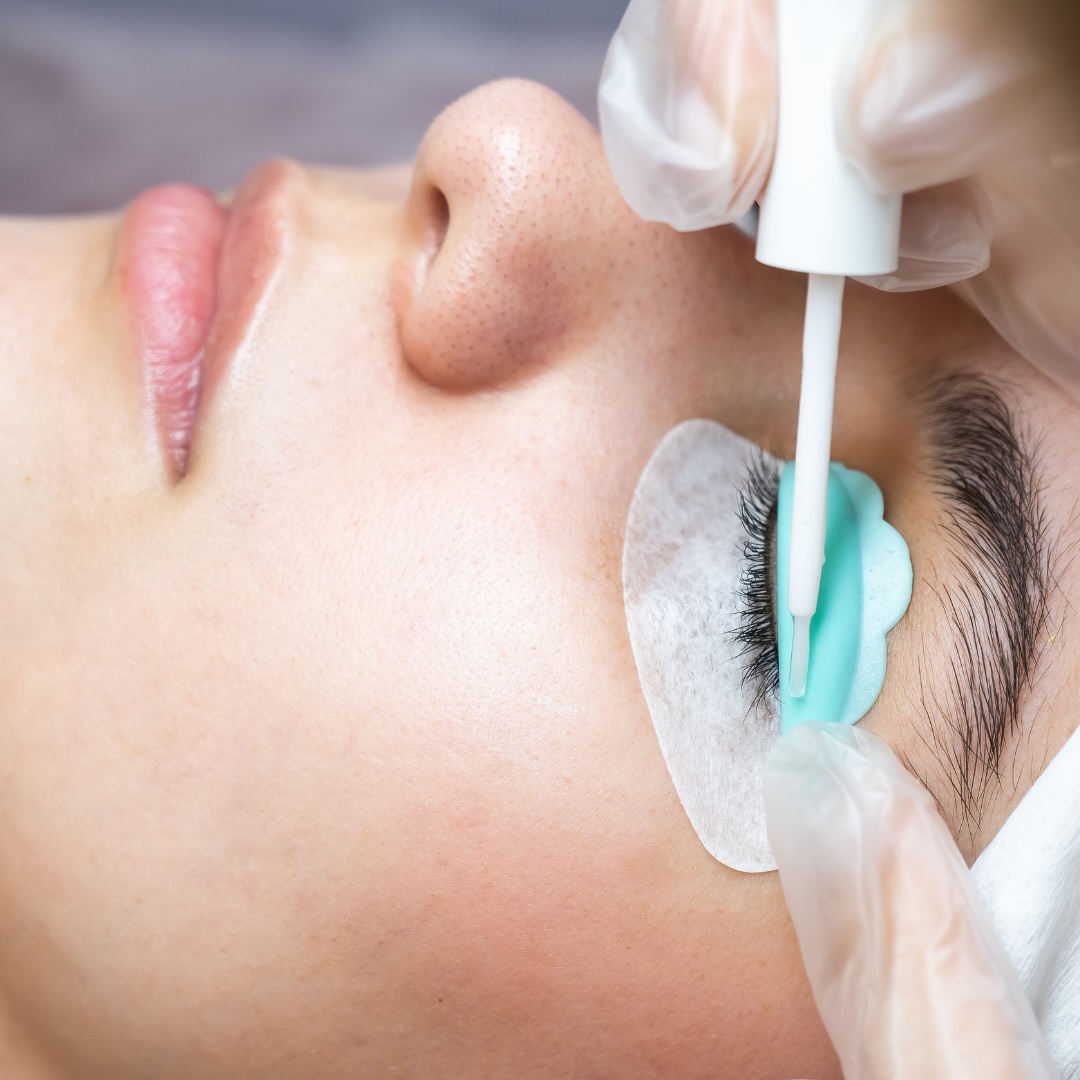
While lash lifts are safe when performed correctly, improper technique creates real risks:
Overprocessing
Leaving solutions on too long breaks down too many bonds in the lash structure, resulting in dry, brittle, over-curled lashes. Severely overprocessed lashes may kink, frizz, or break entirely. This damage must grow out—it cannot be reversed.
Overprocessing often happens when technicians use standard timing rather than assessing each client’s lash type. Fine, delicate lashes need much shorter processing times than thick, resistant lashes.
Allergic Reactions
Sensitivity to lift solutions can cause redness, itching, swelling, or more severe allergic reactions. The NHS advises that allergies can develop at any time, even to products used previously without issue.
Professional technicians always perform patch tests 24-48 hours before treatment and document client reactions for future reference.
Under-Eye Irritation
Improper shield placement or solution migration can cause irritation to the delicate under-eye skin. This causes discomfort and can leave marks or sensitivity that takes days to resolve.
Corneal Damage
If solutions contact the eye itself—whether through poor application, client movement, or inadequate shielding—serious eye irritation or damage can occur. Professional technicians are trained to position shields correctly and respond immediately if contact occurs.
Lash Follicle Damage
While the lift solution works on the visible lash, improper application too close to the lash line could potentially affect the follicle. Professional training emphasises proper shield positioning to protect the lash base.
Who Should Avoid Lash Lifts?
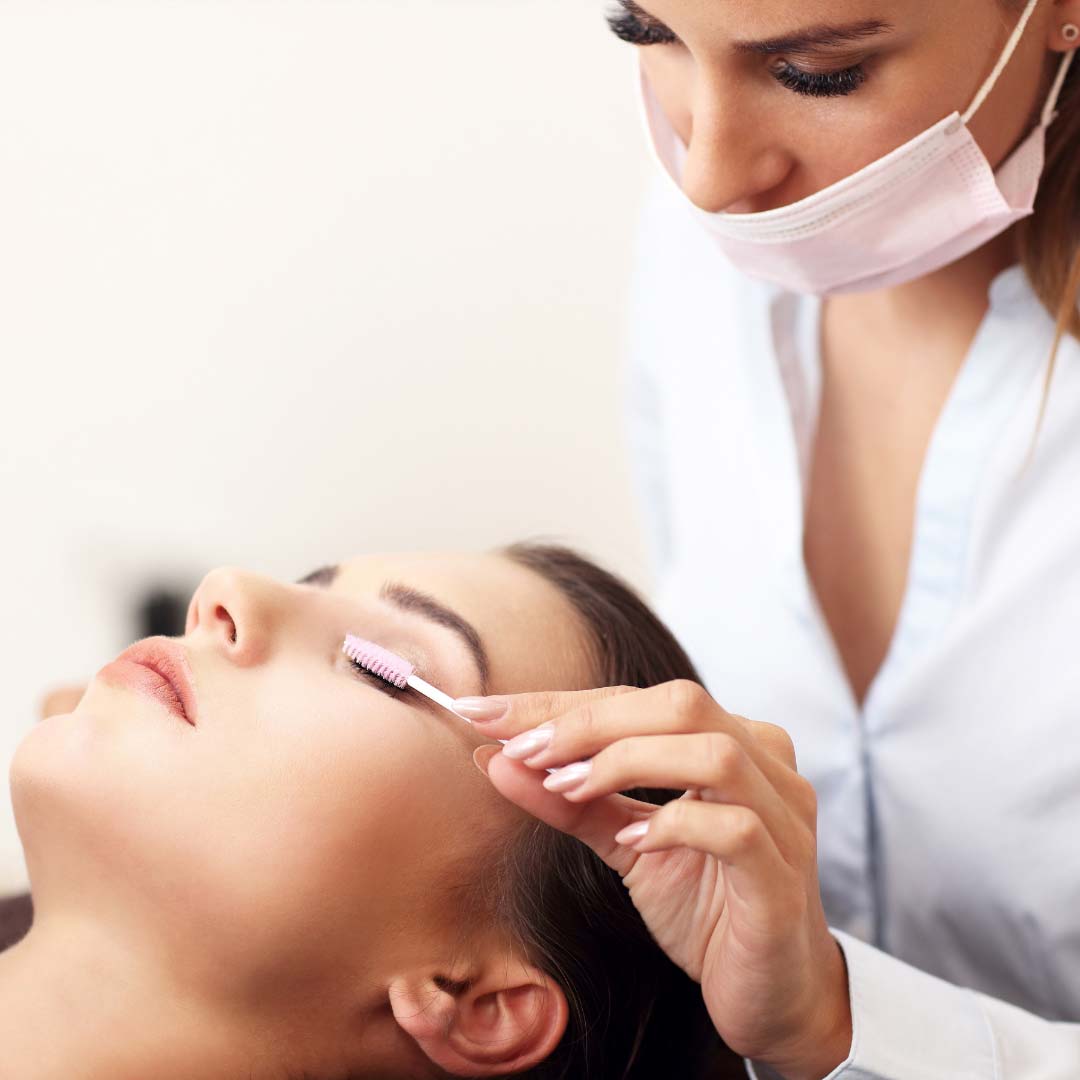
Certain conditions make lash lifts inadvisable:
Active eye infections or irritation: Conjunctivitis, styes, blepharitis flare-ups, or any active infection are contraindications. Wait until fully healed before treatment.
Recent eye surgery: Allow full healing time recommended by the surgeon—typically 6-12 weeks minimum for procedures like LASIK.
Extremely short lashes: Lashes less than 4mm may not be long enough to lift effectively onto the shield. Results may be minimal or impossible.
Severe allergic reaction history: Clients with known severe allergies to cosmetic chemicals should proceed with extreme caution or avoid treatment.
Pregnancy: Some clients and technicians prefer to wait due to hormonal changes that may affect results and unknown effects of chemicals. This is a personal decision—discuss with healthcare provider if uncertain.
Recent eye area treatments: Chemical peels, laser treatments, or other procedures around the eyes need full healing before lash lifts.
Aftercare for Healthy, Lifted Lashes
First 24-48 Hours (Critical Period)
Avoid water, steam, and sweat completely. The lift is still setting during this period—moisture can interfere with bond reformation and weaken or distort the curl.
Don’t touch or rub lashes. Manipulation during the setting period can alter the curl or cause irritation.
Skip mascara and eye makeup. Products can interfere with the setting process and may be difficult to remove without disturbing the lashes.
Avoid sleeping face-down. Pressure on freshly lifted lashes can flatten or distort the curl before it’s fully set.
Ongoing Care
Use gentle, oil-free cleanser around the eyes. Oil-based products can affect curl retention over time.
Apply lash serum to maintain lash health and condition. Chemical processing can be drying, and conditioning keeps lashes flexible and strong.
Avoid waterproof mascara if wearing mascara at all. Waterproof formulas require oil-based removers that can affect the lift.
Brush gently with a clean spoolie to keep lashes neat and separated. Daily brushing maintains the lifted, fanned appearance.
Building Your Lash Lift Expertise
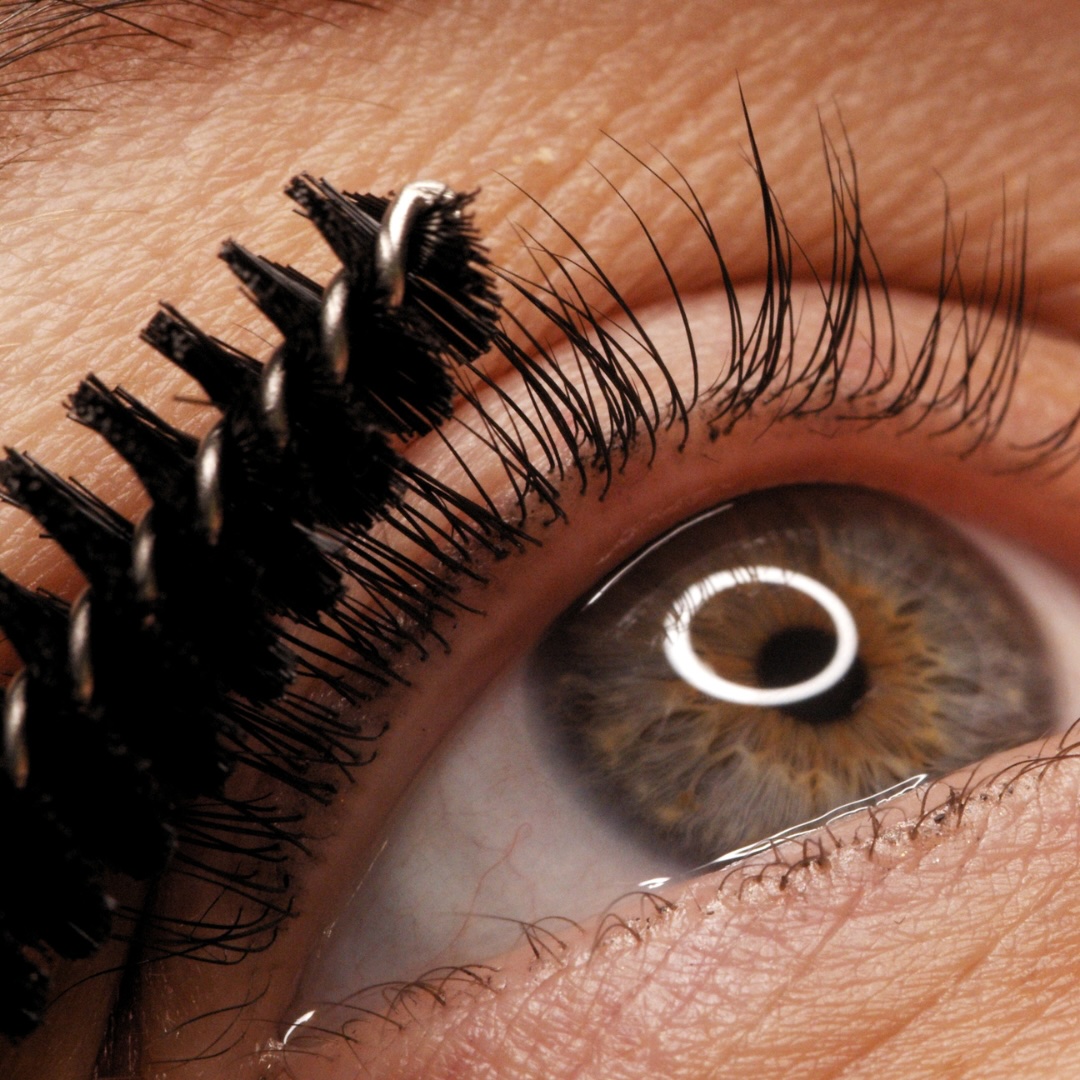
Understanding lash safety isn’t just about avoiding damage—it’s about building client confidence and growing your business. Clients who trust your expertise book regularly and refer friends.
Our Certificate in Eyelash Lift and Tint covers comprehensive safety protocols, proper timing for different lash types, contraindication recognition, and aftercare education. This knowledge creates confident technicians who deliver consistently beautiful, safe results.
For technicians wanting to offer both lift and extension services, our Certificate in Eyelash Extensions provides complementary training that allows you to recommend the best service for each client.
Ready to offer lash lifts with confidence? Our Certificate in Eyelash Lift and Tint teaches the techniques and safety knowledge that create beautiful results without compromising lash health. With comprehensive training in timing, processing, and client care, you’ll build a reputation for lifts that look amazing and feel great. Start your lash lift training today and become the trusted lash professional in your area.