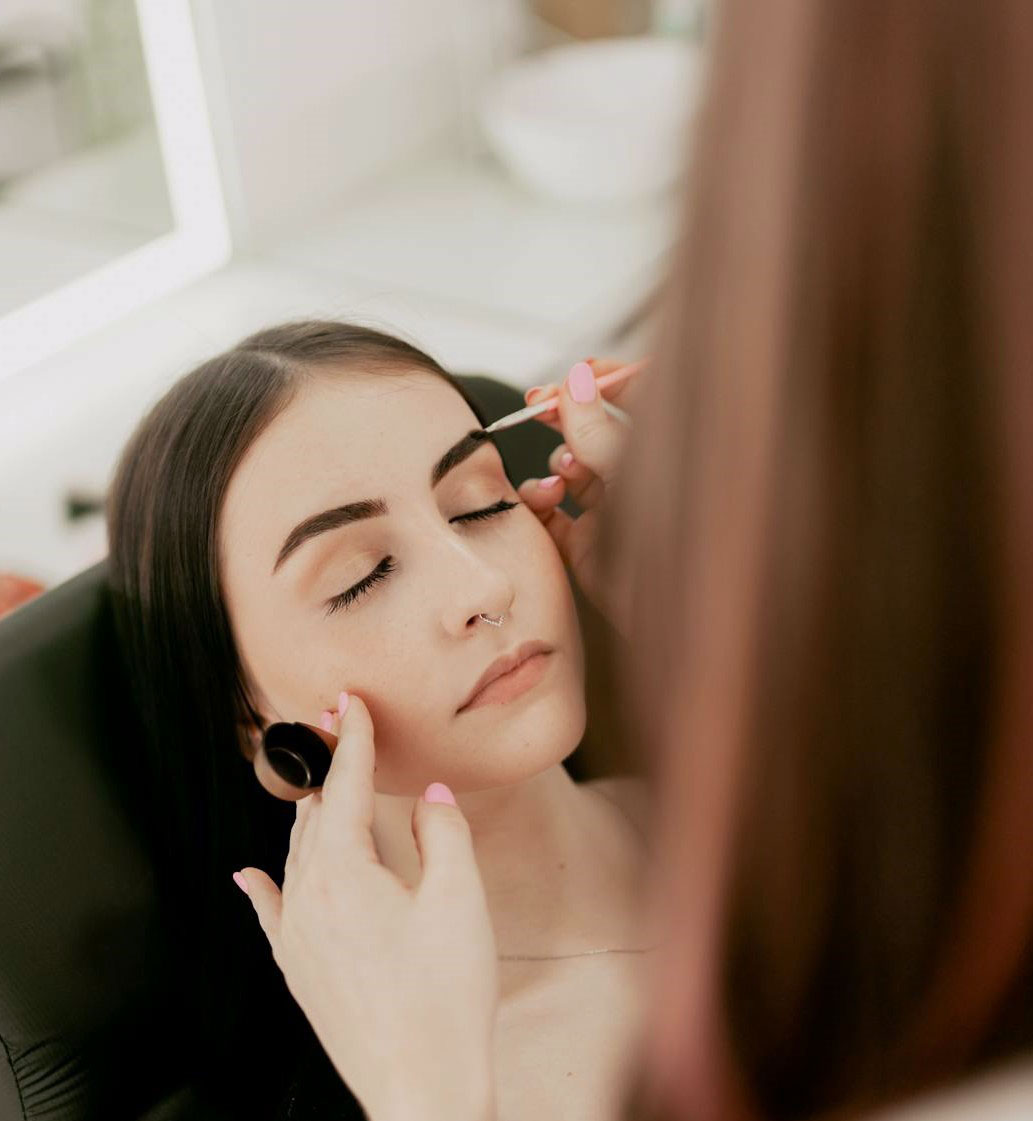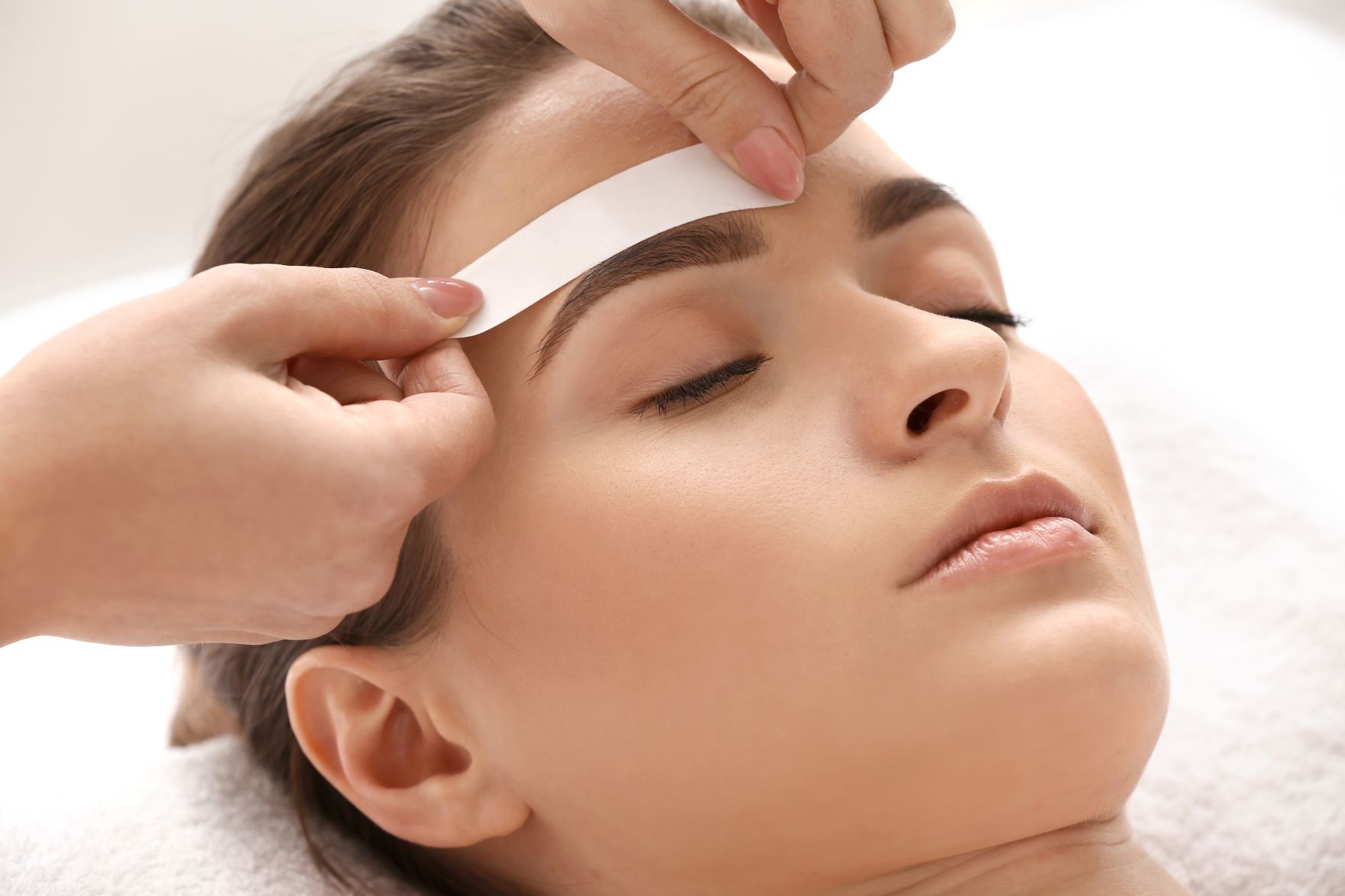
Eyebrow waxing is one of the most requested treatments in the UK beauty industry. The service is fast, consistent in demand throughout the year, and sits at the heart of every professional brow menu. For clients, a precise wax and tint transforms their daily routine. For beauty practitioners, brow waxing is the foundational skill that underpins a full range of brow services — and one of the most reliable recurring-revenue treatments available.
If you are considering a career in brow therapy or looking to add eyebrow waxing to an existing beauty menu, a professional training course is the starting point. This guide covers exactly what an eyebrow waxing course in the UK teaches, how online training works for this service, the health and safety requirements you need to know, how long training takes, and what you can realistically earn as a qualified brow waxing specialist.
Whether you are a complete beginner or an experienced practitioner expanding your skills, the information here will help you choose the right training and understand what a professional brow waxing career looks like in the UK market.
What Is Covered in a Professional Eyebrow Waxing Course?
A thorough eyebrow waxing course covers significantly more than the physical act of waxing. To practise safely, produce consistent results, and build a loyal client base, you need a genuine understanding of the principles behind the technique — not just the procedure itself.
Skin and hair anatomy forms the foundational theory. You will learn the structure of the hair follicle, the three phases of the hair growth cycle (anagen, catagen, and telogen), and how this cycle affects the results clients achieve and the timing of their return appointments. Understanding skin structure — the layers of the epidermis and dermis, the distribution of nerve endings, and why certain skin types react differently to wax — gives you the knowledge to work safely and adapt your technique when needed.
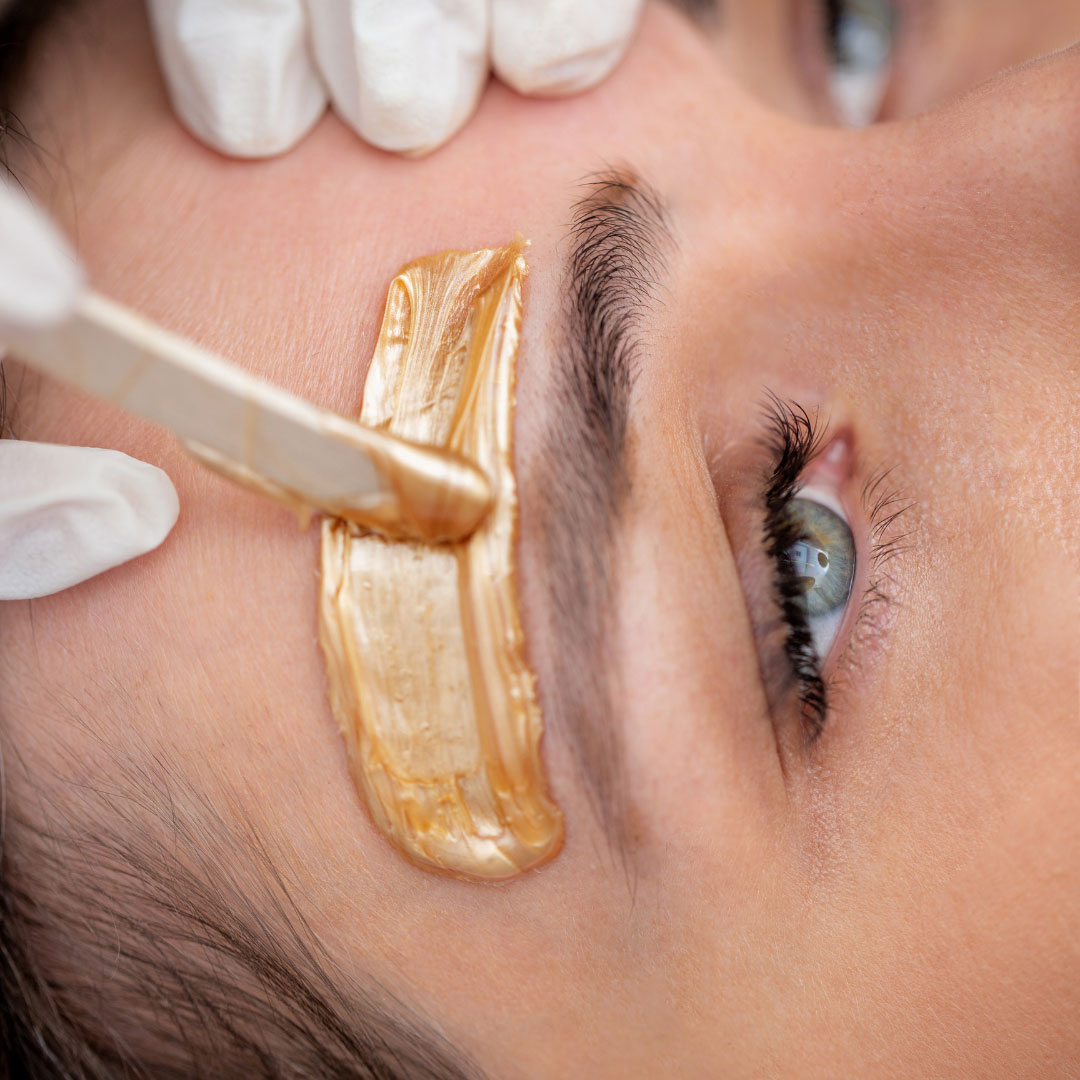
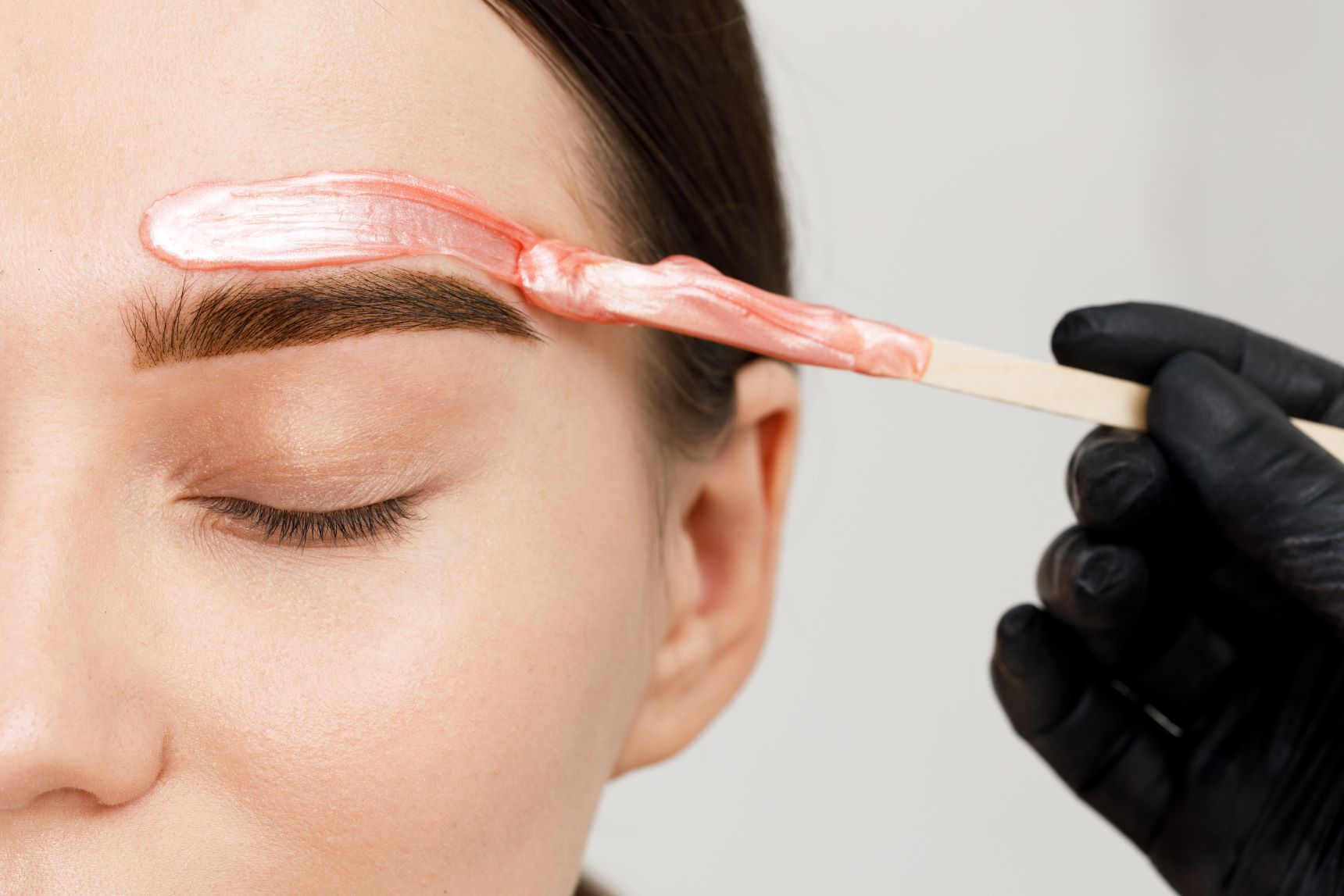
Wax product knowledge is a substantial component of a comprehensive course. Hot wax and strip wax are the two primary formats used for brow work, and each has distinct properties, application requirements, and client suitability considerations. You will learn how hot wax (also called hard wax) works — encapsulating the hair rather than adhering to the skin, which makes it well-suited to sensitive and reactive skin types. Strip wax is faster and appropriate for clients with robust skin. Understanding when to use each product, how temperature affects application, and the common application errors that cause skin reactions is foundational professional knowledge.
Brow shaping and facial mapping are the creative and analytical skills that separate a technically sound waxing treatment from one that genuinely flatters the client. You will learn the principles of facial mapping — using the client’s bone structure, eye placement, and existing brow hair to design a shape that enhances their features — and how to execute that shape accurately with wax. Symmetry, the correct starting point, arch position, and tail length relative to face shape are all covered in detail.
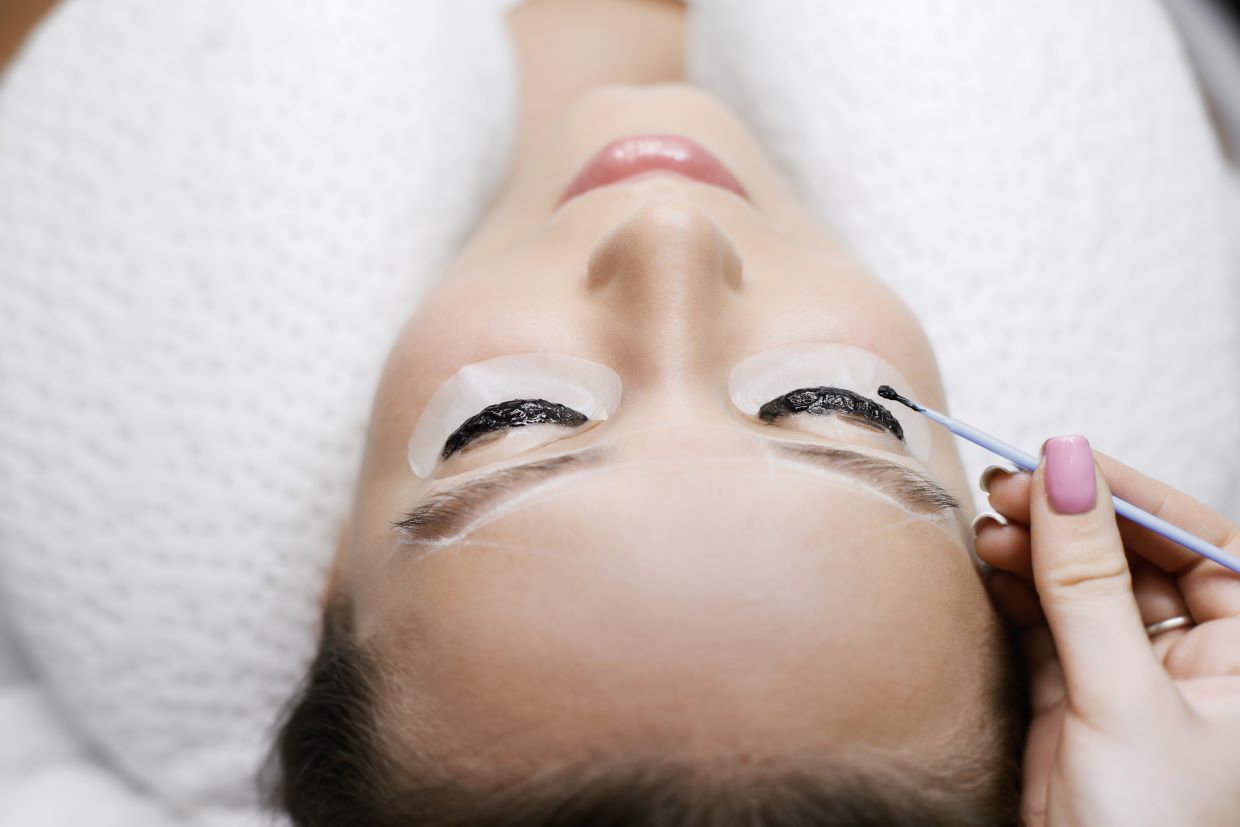
Tinting is closely integrated with waxing in a professional brow course. Semi-permanent brow tint adds definition and warmth to the shaped brow, enhancing the wax result and extending the visual impact between appointments. You will learn the chemistry of brow tint, how to shade-match for different hair colours and skin tones, the mandatory patch test protocol, and the full application and development process.
Health and safety covers the specific requirements for skin contact treatments: hygiene and cross-contamination prevention, contra-indications that would prevent safe waxing (including certain skincare products, medications, and skin conditions), the patch testing requirement for tinting, managing adverse reactions, and the professional documentation you should maintain for every client.
Business skills round out a comprehensive qualification: how to price brow services competitively, how to structure a consultation that builds client confidence, how to give effective aftercare advice, and how to build the rebooking habits that create a reliable, recurring income from your brow clients.
Eyebrow Waxing vs Threading vs Tweezing: Understanding Your Options
Professional brow courses in the UK typically cover multiple shaping methods, and understanding the differences helps you serve a broader range of clients.
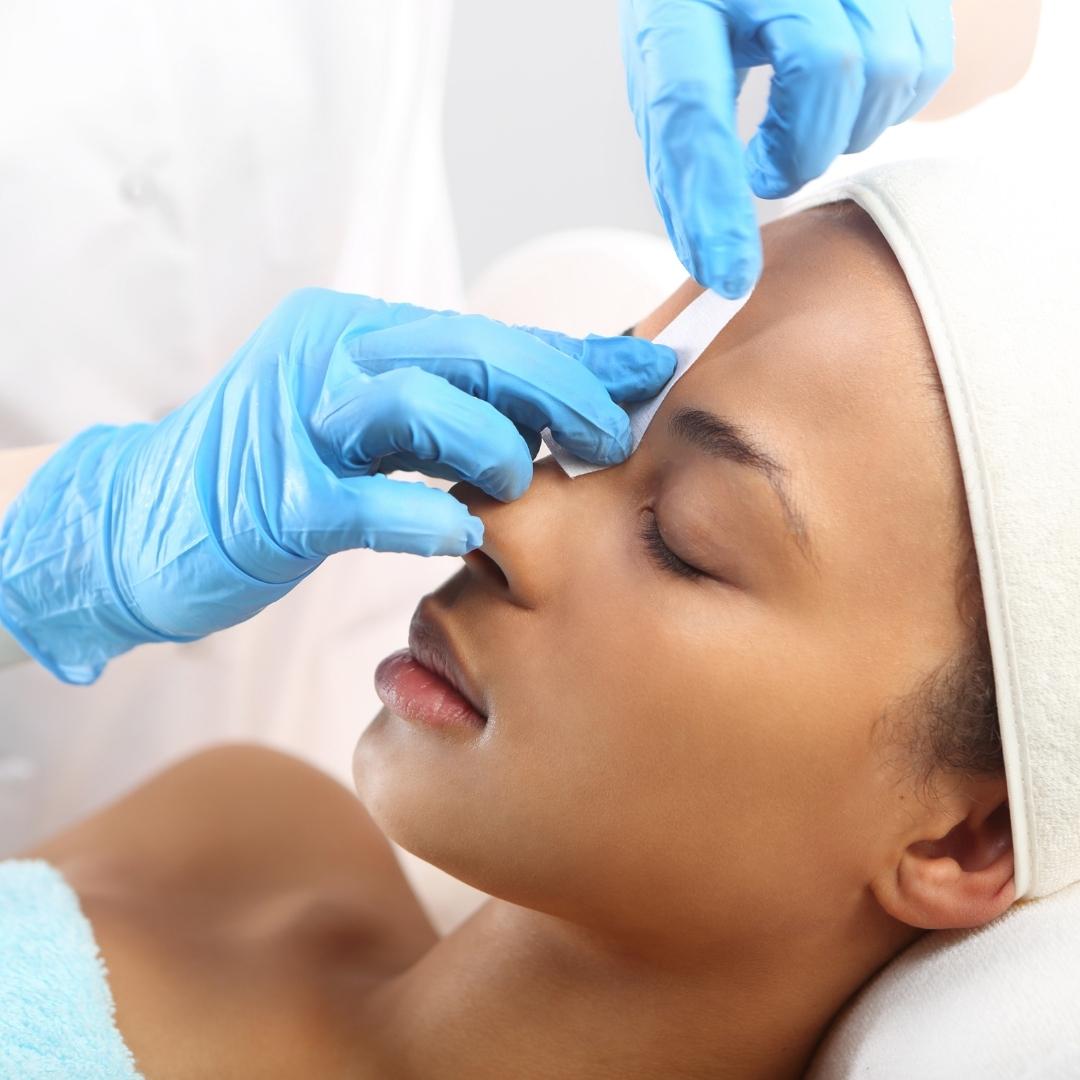
Waxing is the fastest brow shaping method and is the standard in most UK salons and independent practices. It removes multiple hairs simultaneously and provides clean, precise definition at the hairline edges. The technique is particularly effective for clients who want significant shape change or have denser, coarser brow hair.
Threading uses a twisted cotton thread to remove individual rows of hair at the follicle level. It is extremely precise and leaves no product on the skin, making it well-suited to clients with very sensitive or reactive skin or those on medications that contra-indicate waxing. Many brow therapists offer threading as an alternative for clients who cannot be waxed.
Tweezing is used for detailed finishing work — removing stray hairs missed by wax or thread, and refining the shape at the edges with individual hair precision. Most professional brow treatments include a finishing tweeze after the primary waxing service.
A course that covers all three methods gives you maximum client flexibility and positions you to serve clients who have specific preferences or limitations that would otherwise send them to a different practitioner.
Can You Learn Eyebrow Waxing Online?
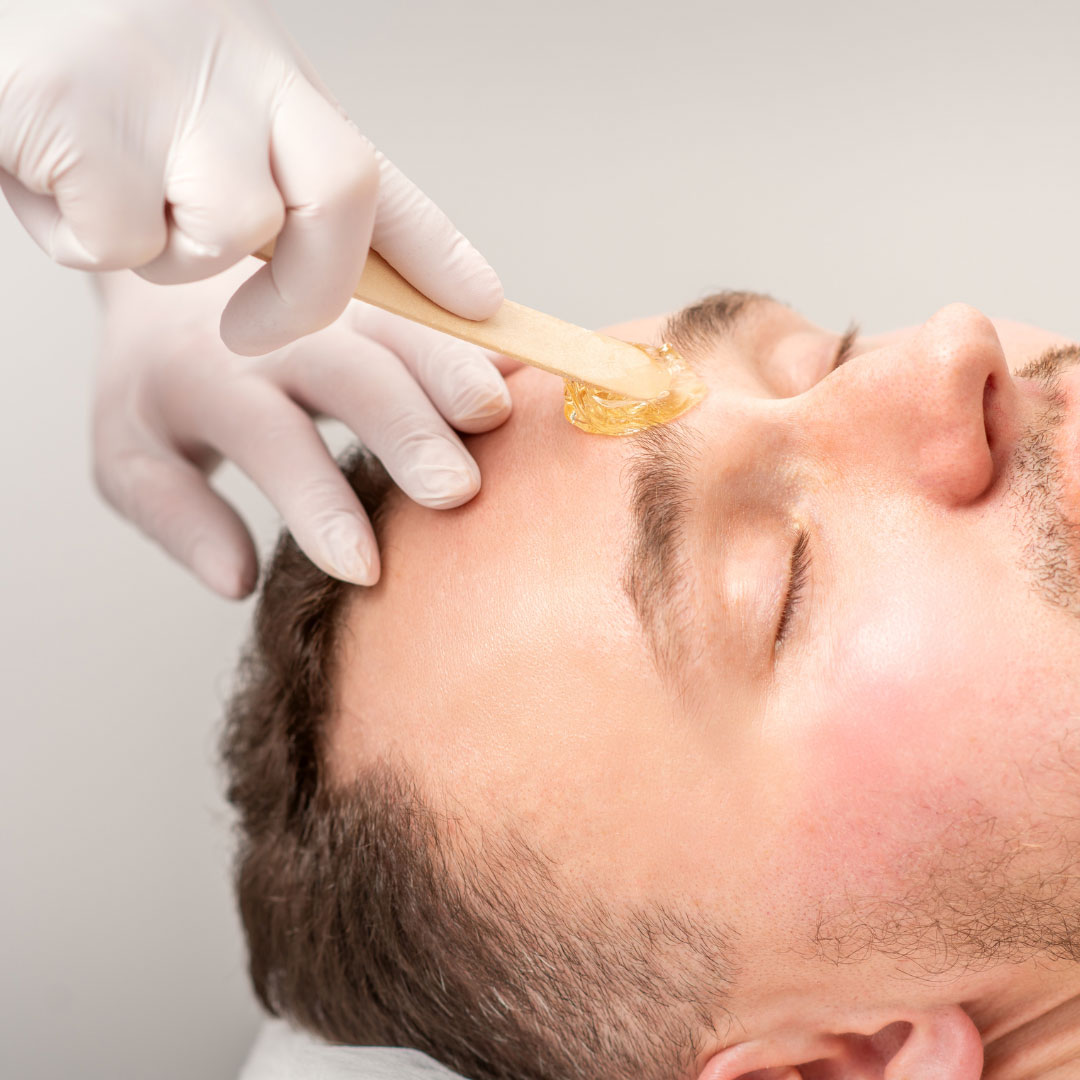
Yes — and for most students in the UK, online brow waxing training is the most practical and cost-effective option. The theoretical component of brow waxing training — skin anatomy, hair growth, wax chemistry, colour theory, health and safety — transfers completely to self-paced digital delivery.
The practical component is developed through guided kit-based practice. You will work on volunteer models to develop your shaping eye, waxing technique, and client management skills. Assessment submissions — where you photograph completed brow treatments and submit them for tutor review — provide the structured feedback that replicates in-person instruction, with the additional advantage that feedback is documented and revisable.
When choosing an online brow waxing course, the key quality indicators are: the depth of the curriculum (not just a video series but a structured qualification with genuine assessment), the experience level of the tutor providing feedback, whether a professional kit is included, and the clarity of the certification you receive on completion.
How Long Does an Eyebrow Waxing Course Take?
Most self-paced online eyebrow waxing and tinting courses in the UK can be completed in three to five weeks by students studying consistently. The theoretical modules typically take one to two weeks; the practical component — developing reliable technique on multiple client models — requires several additional practice sessions before assessment submission.
Students who already have experience in beauty treatments often progress faster through the theoretical modules. Complete beginners should allow more time, particularly for the brow shaping and facial mapping component, which requires developing a trained eye for symmetry and proportion that practice builds more quickly than theory alone.
What Can You Earn as an Eyebrow Waxing Specialist in the UK?
Eyebrow waxing and tinting is typically priced at £15 to £30 for a wax and tint combined service in the UK, with pricing varying by location, setting, and practitioner experience. In London and major city centres, premium brow studios charge £35 to £60 for a full brow treatment with consultation and shaping design. The service takes twenty to forty minutes in most cases, making the hourly rate competitive with most mid-tier beauty services.
The income model for brow waxing practitioners becomes genuinely strong through repeat booking frequency. Brow wax clients typically return every four to six weeks, making them among the most reliable repeat bookings in a beauty practice. A practitioner with eighty active brow clients on a six-week cycle maintains a consistent appointment rhythm that generates predictable monthly income.
Adding higher-margin brow treatments to a waxing menu — brow lamination, henna brows, and brow tinting as standalone premium services — raises the average appointment value significantly. According to data published by the National Hair and Beauty Federation (NHBF), beauty therapists with multiple specialisations in high-demand treatment categories consistently earn above the industry median, particularly those operating self-employed in strong local markets.
The UK Regulatory Context for Brow Waxing
Eyebrow waxing in the UK is regulated at the local authority level. Most councils require practitioners performing skin contact beauty treatments from commercial premises to register with their local authority and comply with the relevant bylaws relating to hygiene and sanitation standards. Home-based practitioners should also check their local authority’s requirements, as these can vary.
There is no single national licensing body for brow therapists in England, Wales, or Scotland in the way that some other professional categories are regulated. However, holding a recognised professional certification from an accredited training provider is standard practice and is typically required by insurance providers as a condition of professional liability coverage. Operating without insurance is not advisable, and operating without certification makes securing insurance difficult.
Special Procedure Licences may be required in some local authority areas for treatments involving tinting products, as these involve chemical application to the skin. Checking with your specific local council before establishing a practice is strongly recommended.
Our Certificate in Eyebrow, Facial Waxing and Tint covers the full range of professional brow and facial waxing skills, from skin anatomy to client consultation and business practice. For a broader look at brow services and career pathways, our guide on brow lamination vs waxing: which should you recommend is recommended reading. All available brow and lash training is on our eyebrow courses page.