Accurate foundation colour matching is one of the most critical skills for any makeup artist. Getting it wrong leaves clients with visible lines, unnatural appearance, and photographs that reveal obvious mismatch. Getting it right creates seamless, flawless-looking skin that enhances your client’s natural beauty.
Colour matching requires understanding undertones, surface pigmentation, and how different lighting conditions affect perception. It also requires experience working with diverse skin tones and the confidence to assess and match any client who sits in your chair.
At UK Beauty School, our Certificate in Professional Make Up Artistry devotes significant training to colour theory and matching, ensuring you can work confidently with all skin tones.
Understanding Undertones
What Are Undertones?
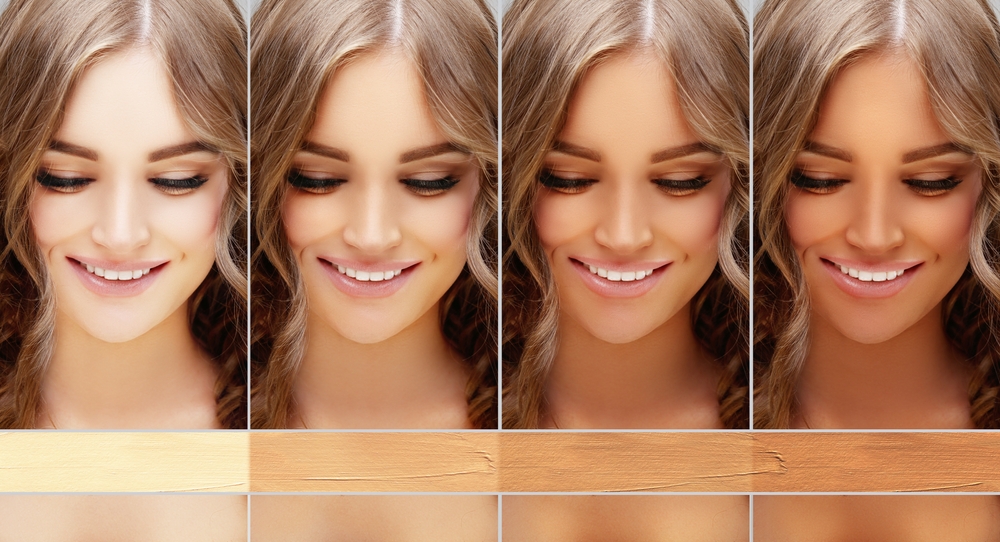
Undertones are the subtle colours beneath the skin’s surface that remain constant regardless of tanning, flushing, or other surface colour changes. Understanding undertones is fundamental to accurate colour matching.
Warm Undertones: Yellow, peachy, or golden tones beneath the surface. Warm-toned skin often tans easily and looks better in gold jewellery.
Cool Undertones: Pink, red, or bluish tones beneath the surface. Cool-toned skin may burn easily and looks better in silver jewellery.
Neutral Undertones: A balance of warm and cool, sometimes with olive tones. Neutral skin wears both gold and silver well.
According to dermatology research, undertones are genetically determined and don’t change with sun exposure or ageing, unlike surface skin tone.
Identifying Undertones
Several methods help identify undertones:
Vein Test: Examine veins on the inner wrist in natural light. Blue or purple veins suggest cool undertones; green veins suggest warm undertones; a mix suggests neutral.
White Paper Test: Hold white paper near the face. If the skin appears yellowish in comparison, undertones are warm. If the skin appears pink, undertones are cool.
Jewellery Test: Gold jewellery flatters warm undertones; silver flatters cool undertones. If both look equally good, undertones are likely neutral.
Clothing Response: Observe what colours the client naturally gravitates toward or looks best in—this often reflects their undertone.
Sun Response: Those who burn easily often have cool undertones; those who tan easily often have warm undertones.
The Olive Undertone Challenge
Olive undertones present a unique challenge. This green-based undertone is neither purely warm nor cool and appears frequently in Mediterranean, Middle Eastern, South Asian, and Latin skin tones.
Olive skin often looks muddy or grey in foundations that don’t account for this green base. Look for foundations specifically formulated for olive undertones, or learn to custom-mix foundations to neutralise the green cast.
Understanding Surface Tone
Depth and Saturation
Beyond undertone, consider:
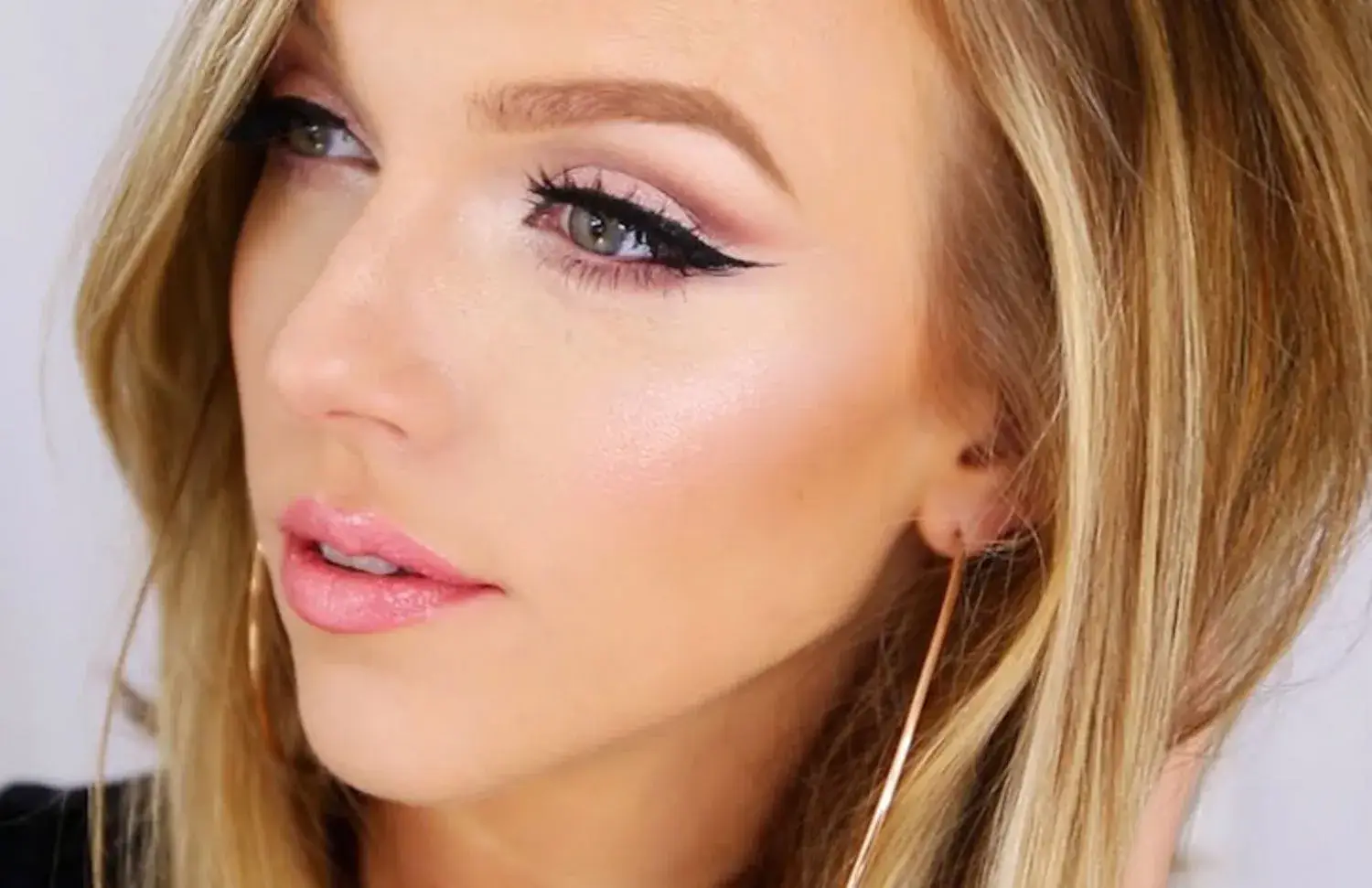
Depth: How light or dark the skin appears—ranging from very fair to very deep.
Saturation: How much colour is present—high saturation means more colour; low saturation (muted tones) has less.
Surface tone changes with sun exposure, skincare routine, and seasonal variation. Always match to the client’s current skin tone, not what they think their skin looks like or what it was at another time.
Areas to Match
Jawline: The most reliable area for colour matching, as it represents where face meets neck.
Chest/Décolletage: Important for matching when clients will wear low-cut clothing.
Forehead: Often darker from sun exposure—may not represent true facial colour.
Cheeks: May show more redness or pigmentation than overall skin tone.
The Colour Matching Process
Preparation
Lighting: Natural daylight is ideal for colour matching. If unavailable, use high-quality neutral lighting—avoid yellow-tinted bulbs that distort colour perception.
Clean Skin: Match on clean, moisturised skin without existing makeup that could influence colour perception.
Multiple Options: Have several potential matches ready to compare—rarely is your first choice perfect.
Matching Technique
Step 1: Assess Undertone: Use the methods above to determine warm, cool, or neutral undertones.
Step 2: Assess Depth: Is the skin fair, light, medium, tan, or deep? This narrows foundation range significantly.
Step 3: Select Options: Choose 2-3 foundations that appear close in both undertone and depth.
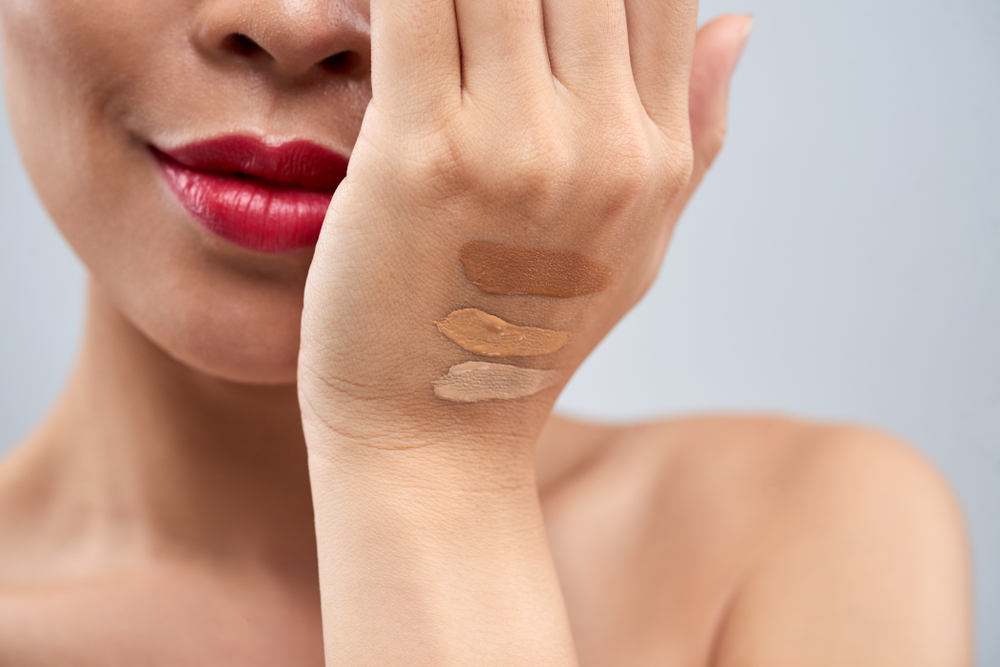
Step 4: Stripe Test: Apply thin stripes of each option along the jawline, extending from jaw onto neck.
Step 5: Assess in Multiple Lights: View in natural daylight if possible, then in the lighting conditions where the makeup will be worn.
Step 6: Select Match: The correct match disappears into the skin—no visible line, no tonal difference.
When Perfect Matches Don’t Exist
Sometimes no single shade perfectly matches a client:
Custom Mixing: Blend two shades to create a perfect match—a lighter with a darker, or adjusting undertone by mixing a warm shade with a neutral.
Mixers and Adjusters: Many brands offer white, dark, warm, or cool drops specifically for adjusting foundation shades.
Accepting Compromise: Sometimes you’ll choose the best available option and ensure blending conceals any slight mismatch.
Matching Diverse Skin Tones
Working with Fair Skin
Very fair skin presents specific challenges:
Undertone Visibility: Undertones are often more visible in fair skin—pink, peachy, or yellow casts are obvious.
Oxidation Impact: Some foundations oxidise darker, leaving fair clients looking orange after wear. Test foundations for several hours before finalising.
Limited Options: Some brands have limited very fair shades—be prepared to mix or recommend specific brands with better fair-skin ranges.
Working with Medium Skin Tones
Medium skin tones offer the widest shade selection but still require careful matching:
Olive Undertones: Common in medium skin—ensure you can identify and match olive undertones.
Seasonal Variation: Medium skin tones often show more seasonal change—match to current colour, not remembered colour.
Multiple Zones: Forehead, cheeks, and neck may vary in colour—blend foundation to create cohesion.
Working with Deep Skin Tones
Deep skin tones have historically been underserved by makeup brands, though options have expanded significantly. According to Allure, proper deep skin matching requires:
Understanding Depth Variation: Deep skin ranges from medium-deep to very deep—distinguish between these levels.
Undertone Complexity: Warm, cool, and neutral undertones exist across deep skin, plus red and blue undertones specific to deeper tones.
Avoiding Ashiness: Foundations that are too light or have incorrect undertones appear grey or ashy on deep skin.
Brand Knowledge: Know which brands offer extensive deep shade ranges with varied undertones.
Common Colour Matching Mistakes
Matching to the Hand or Arm
Hands and arms typically don’t match face colour—they receive different sun exposure and have different skin characteristics. Always match to the jaw and neck area.
Matching in Poor Lighting
Artificial lighting distorts colour perception. Yellow lighting makes skin appear warmer; fluorescent lighting adds green/cool tones. Whenever possible, check matches in natural light.
Ignoring Oxidation
Some foundations darken after application as they react with skin oils and air. This “oxidation” can shift colour significantly. If possible, test foundations for several hours before making final selections for important clients.
Trying to Change Skin Tone
Foundation should match natural skin tone, not change it. Clients who want to appear tanner should use bronzer strategically, not a mismatched foundation that creates visible lines.
Forgetting the Neck and Body
If the face and neck don’t match, any clothing that reveals the neck will show obvious foundation lines. Always extend and blend foundation beyond the face.
Tools and Products for Colour Matching
Foundation Ranges to Know
Familiarise yourself with brands offering extensive shade ranges:
Fenty Beauty: 50+ shades with excellent undertone variety.
MAC: Professional standard with extensive range.
NARS: Strong undertone variety including olive.
Make Up For Ever: Professional range with diverse options.
Maybelline Fit Me: Accessible drugstore option with good range.
Understanding different brands’ shade ranges allows you to recommend appropriate products for clients to purchase.
Mixing Tools
Palette Knives: For mixing foundations without contaminating bottles.
Mixing Plates: Clean surface for creating custom blends.
Foundation Mixers: White, dark, and undertone-specific drops for adjusting shades.
Colour-Correcting Primers
When dealing with significant colour concerns (redness, sallowness, hyperpigmentation), colour-correcting primers beneath foundation can help achieve even results:
Green: Neutralises redness.
Peach/Orange: Counteracts dark circles on light-medium skin; corrects hyperpigmentation on deep skin.
Purple/Lavender: Brightens sallow/yellow skin.
Building Your Colour Matching Confidence
Colour matching improves with practice and exposure to diverse skin tones. Actively seek opportunities to work with clients across the full spectrum of skin tones and undertones.
Our Certificate in Professional Make Up Artistry includes extensive colour theory training and practical exercises with diverse models, building the confidence to match any client.
Complementary colour skills extend beyond foundation. Understanding hair colour through our Certificate In Professional Hair Styling helps you coordinate complete beauty looks.
Ready to master foundation matching and colour theory? Our Certificate in Professional Make Up Artistry provides comprehensive training in undertone identification, matching techniques, and product knowledge that ensures you can create flawless results for every client. Enrol today and build the colour matching confidence that sets professional makeup artists apart.