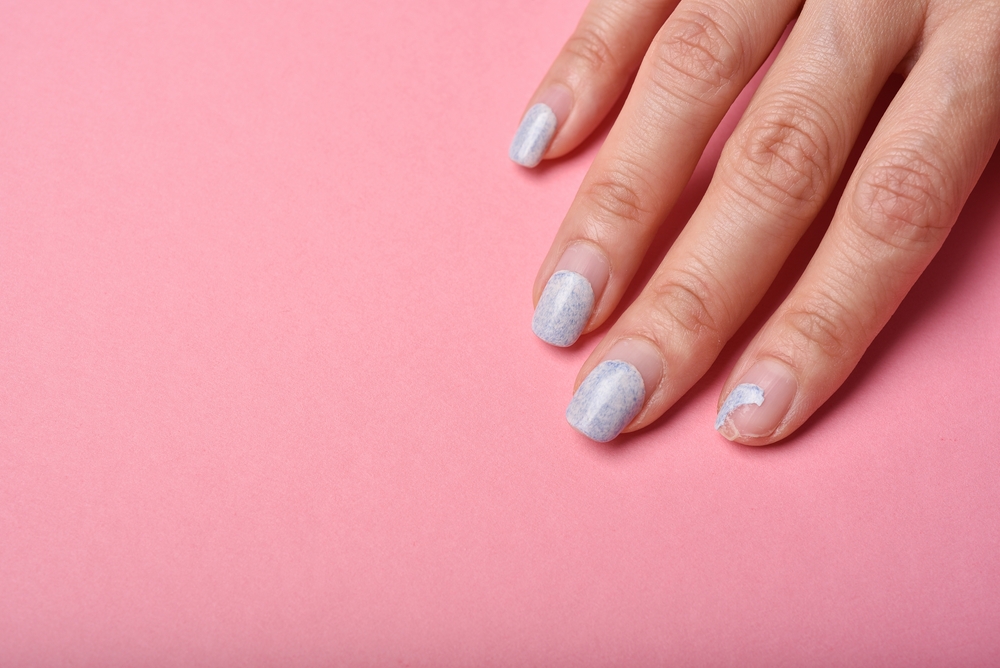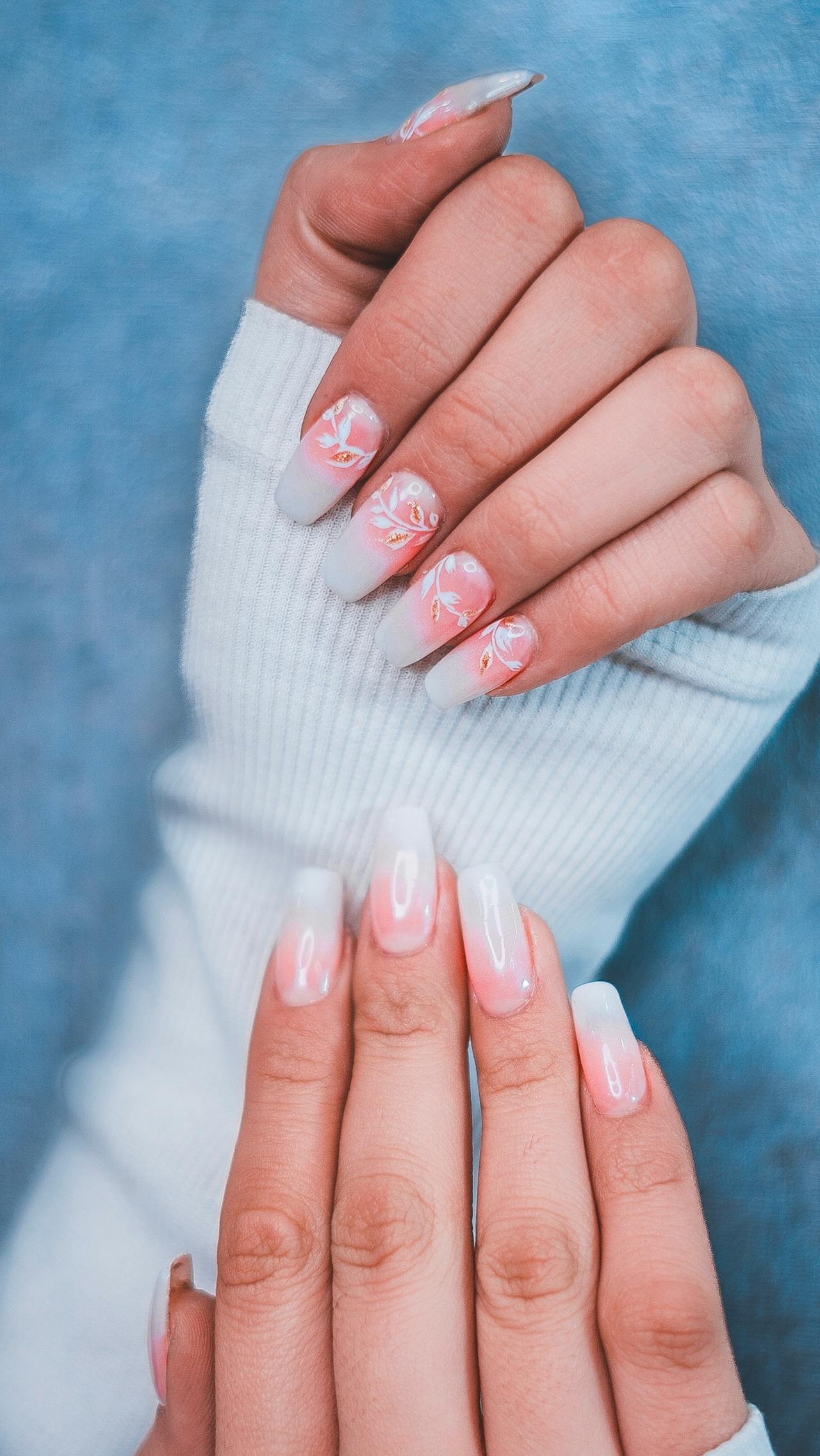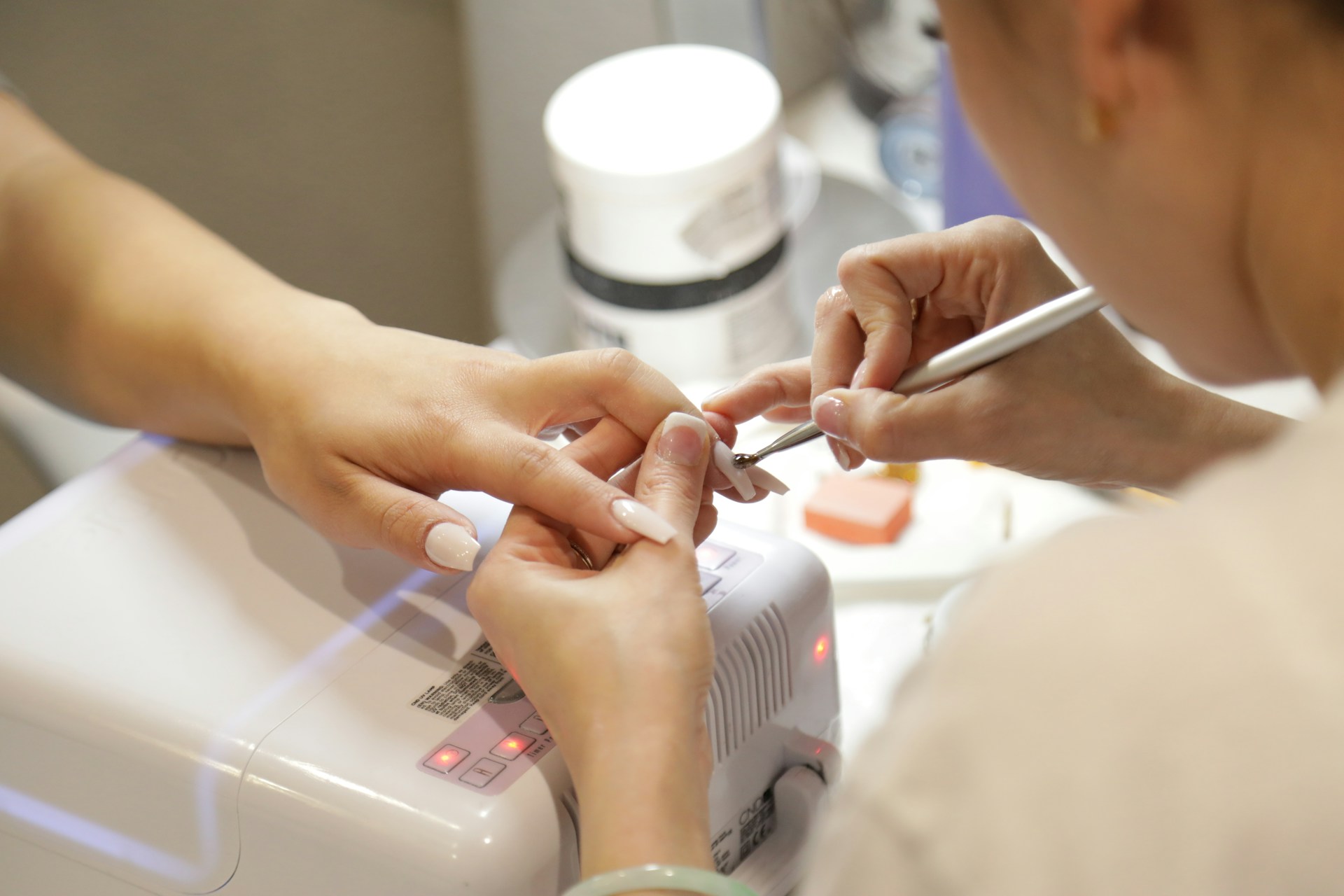
Most fake nails last between 5 days and 4 weeks without damage, depending on type (acrylic, gel, press-ons), application quality, and maintenance. With proper aftercare, you can extend wear and minimise nail damage, keeping both the enhancement and natural nails in excellent condition.
At UK Beauty School, we encourage safe beauty practices that protect clients’ natural nail health while delivering beautiful results. Understanding wear expectations for different systems helps technicians set appropriate expectations and build client trust through honest, expert guidance.
The question of longevity matters to both clients—who want value for their investment—and technicians—who want satisfied clients who return regularly. Proper education about realistic wear times and aftercare creates better outcomes for everyone.
How Long Each Type Lasts
Different nail enhancement systems have varying lifespans based on their chemistry, application method, and durability:
Acrylic Nails
Acrylic nails last 2–3 weeks before fills are needed, with the enhancement itself lasting indefinitely with proper maintenance. They’re the strongest option available, making them ideal for clients who are hard on their hands or want maximum durability.
The 2-3 week fill schedule addresses natural nail growth—as your nail grows, a gap appears between the cuticle and the acrylic. Regular fills maintain appearance and prevent lifting that could trap moisture and bacteria.
With excellent care and regular maintenance, some clients wear acrylics continuously for years without significant natural nail damage. However, improper application or removal is where damage typically occurs.
Gel Nails
Gel nails last up to 4 weeks, though many clients experience lifting or chipping around week 2-3. Gel nails offer a natural look and feel that many clients prefer, though they’re less durable than acrylics.
Soft gel (gel polish) typically needs replacement every 2-3 weeks. Hard gel overlays can last longer with fills, similar to acrylics but with a lighter, more flexible feel.
Lifestyle significantly impacts gel longevity. Office workers often achieve the full 3-4 weeks, while those in manual jobs or with frequent water exposure may see earlier wear.
Dip Powder (SNS)
Dip powder nails last 2-3 weeks on average, offering a balance of strength and lower damage risk compared to some alternatives. The thicker application creates durability, while the lack of UV curing appeals to some clients.
Dip powder often outlasts gel polish in chip resistance due to its harder finish. However, the removal process requires patience—rushing dip powder removal causes significant damage.
Gel-X and Soft Gel Extensions
Soft gel extension systems like Gel-X last 3-4 weeks with proper application and care. These pre-made extensions offer a middle ground between natural nail gel polish and full acrylic extensions.
The softer, more flexible nature of these products means they move with the natural nail, reducing stress at the adhesion point. Many clients find them more comfortable than rigid acrylics.
Press-On Nails
Quality press-on nails last up to 10 days with proper application, though budget options may last only 3-5 days. The advancement in press-on nail quality has made them a legitimate option for temporary enhancement.
Press-ons are ideal for special events, holidays, or clients who want occasional enhancement without commitment. Proper application—including thorough nail prep and quality adhesive—significantly extends wear.
Factors Affecting Longevity
Nail Preparation
Proper filing, buffing, and dehydration ensures strong adhesion. Skipping or rushing prep is the most common cause of premature lifting. The natural nail must be clean, dry, and properly textured for any enhancement system to adhere properly.
Professional training through our Certificate in Nail Tech emphasises prep techniques that maximise wear time and client satisfaction.
Adhesive and Product Quality
Weak adhesive leads to early lifting and potential moisture trapping beneath the enhancement. Professional-grade products significantly outperform budget alternatives in both immediate results and long-term nail health.
Daily Habits
Typing, cleaning, gardening, and other activities speed up wear. Clients should understand that lifestyle impacts longevity—a gardener won’t achieve the same wear time as an office worker, regardless of application quality.
Water Exposure
Long showers, swimming, and frequent hand washing soften adhesive bonds and can cause lifting. Waterlogged nails also expand slightly, creating stress at the enhancement edge.
Advising clients to wear gloves when cleaning and to dry hands thoroughly after washing extends wear significantly.
Oil Exposure
Natural oils, hand creams, and cooking oils break down nail adhesives. Clients who moisturise frequently or work with oils need adjusted expectations or specific aftercare instructions.
Safe Removal Methods
According to WebMD, improper removal causes most nail damage—not the enhancements themselves. Teaching clients safe removal protects their natural nails and maintains your reputation.
Acrylic Removal
Soak nails in acetone for 20–30 minutes, checking progress regularly. The acrylic should become soft and gel-like when ready for removal. Gently push off softened product using a cuticle pusher—never scrape or pry. If resistance is met, soak longer rather than forcing removal.
Gel Removal
File the top coat to break the seal, allowing acetone to penetrate. Soak cotton pads in acetone and wrap each finger with foil. Wait 10-15 minutes, then gently push off softened gel. Hard gel may require filing rather than soaking.
Dip Powder Removal
File the shiny top layer, then soak in acetone for 15-20 minutes. Dip powder takes longer to dissolve than gel polish due to thickness. Patience prevents damage—rushing leads to scraping and natural nail harm.
Press-On Removal
Soak fingers in warm, soapy water for 10-15 minutes. Gently wiggle press-ons to loosen—never pull or pry. The adhesive should release with minimal force if properly soaked.
Rest Periods and Natural Nail Care
Take a 1-week break from enhancements every few months to assess natural nail health. This rest period allows you to identify any damage and treat nails before continuing.
During breaks, apply strengthening treatments containing keratin or biotin. Keep nails short to prevent breakage of potentially weakened nails. Moisturise cuticles daily with oil to restore hydration lost during enhancement wear.
The NHS recommends monitoring nail health and seeking advice if you notice persistent discoloration, pain, or separation from the nail bed.
Building Healthy Client Relationships
Educating clients about realistic wear times and proper care builds trust and loyalty. Clients appreciate honesty over overpromising, and properly maintained expectations lead to higher satisfaction.
Our Nail Art & Design Course teaches creative techniques that enhance client experience, while our fundamental Certificate in Manicures & Pedicures establishes the foundation for healthy nail care practices.
Ready to become a trusted nail professional who delivers lasting results? Our Certificate in Nail Tech teaches proper application techniques that maximise wear time and protect natural nails. With expert guidance, comprehensive training, and ongoing support, you’ll build the skills and reputation that attract loyal clients. Begin your nail tech journey today and start creating beautiful, long-lasting nails.