Becoming a certified makeup artist in the UK requires completing professional training, building a strong portfolio, developing your signature style, and establishing your presence in your chosen market. While formal qualifications aren’t legally required, professional certification dramatically increases your credibility, opportunities, and earning potential in this competitive industry.
The makeup artistry industry offers diverse career paths—from bridal and editorial work to film and television, fashion, or teaching. Understanding the landscape and investing in proper training positions you for success in whichever direction inspires you.
At UK Beauty School, we’ve trained thousands of makeup artists who now work across every sector of the industry. Our Certificate in Professional Make Up Artistry provides the foundation for a rewarding creative career.
Why Professional Training Matters
Industry Expectations
While anyone can technically offer makeup services, industry expectations have risen significantly. Clients—whether brides, agencies, or production companies—increasingly expect evidence of professional training. Your certification demonstrates commitment to your craft and provides assurance of your competency.
According to the British Beauty Council, the UK beauty industry employs over 370,000 people and contributes billions to the economy. Competition for the best opportunities is fierce, and qualifications help you stand out.
Technical Foundation
Natural talent matters, but professional training provides essential knowledge that self-teaching often misses. Understanding colour theory enables you to work with all skin tones confidently. Product chemistry knowledge helps you select appropriate products for different situations. Skin preparation techniques ensure your makeup lasts and photographs beautifully. Hygiene protocols protect your clients and your reputation. Business skills help you price, market, and manage your career effectively.
Insurance and Legitimacy
Professional insurance typically requires evidence of training. Working without insurance exposes you to significant financial risk if a client experiences an adverse reaction or injury. Most training programmes satisfy insurer requirements, enabling you to work confidently and legally.
Training Options in the UK
Online Courses
Online makeup courses offer flexibility for those balancing training with other commitments. Quality online programmes include video demonstrations, theoretical modules, practical assignments, and tutor feedback.
Our Certificate in Professional Make Up Artistry provides comprehensive online training with a professional makeup kit delivered to your door. You’ll practice techniques on models, receive expert feedback, and build your portfolio throughout the course.
Advantages: Study at your own pace, lower cost than intensive in-person courses, balance with existing employment, comprehensive kit included.
Considerations: Requires self-discipline, must source practice models independently, less immediate feedback than in-person training.
In-Person Courses
Traditional classroom-based training provides hands-on instruction and immediate feedback. Options range from short workshops to intensive diploma programmes lasting several months.
Advantages: Direct interaction with instructors, immediate correction of technique, networking with fellow students, structured schedule.
Considerations: Higher cost, requires dedicated time commitment, travel requirements, less flexibility.
Specialisation Courses
Once you have foundational skills, specialisation courses develop expertise in specific areas:
Bridal makeup: Advanced techniques for wedding makeup that photographs beautifully and lasts all day. Understanding bridal expectations and timeline management.
Editorial and fashion: Creating looks for magazines, advertising, and runway shows. Understanding creative briefs and working with photographers.
Film and television: Continuity, character development, ageing techniques, and working on set. Often requires additional specialised training.
Special effects (SFX): Prosthetics, wounds, character transformation. A distinct career path requiring specific training.
Building Your Makeup Artistry Skills
Core Competencies
Professional makeup artists master several essential skill areas:
Skin Preparation: The foundation of all great makeup. Understanding skin types, proper cleansing, priming, and creating the perfect canvas for makeup application. Poor prep undermines even the most skilled application.
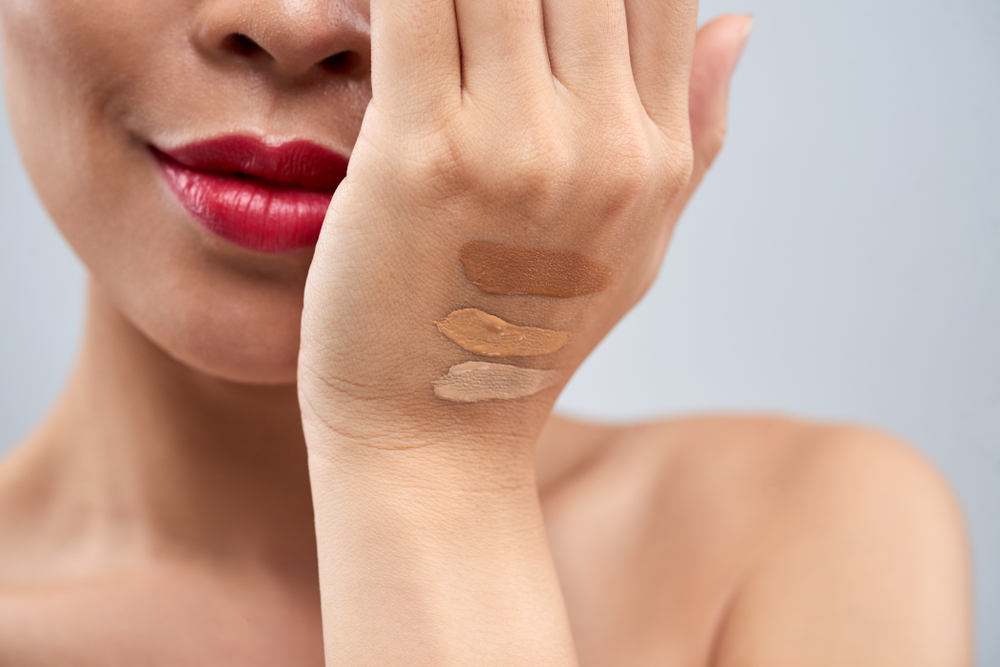
Base Makeup: Colour matching, application techniques for different coverage levels, understanding undertones, and working with diverse skin tones. According to makeup industry research, base application is where professional skill shows most clearly.
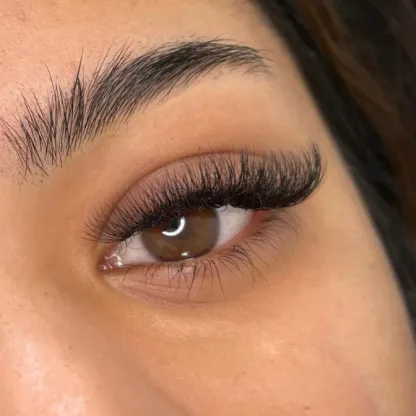
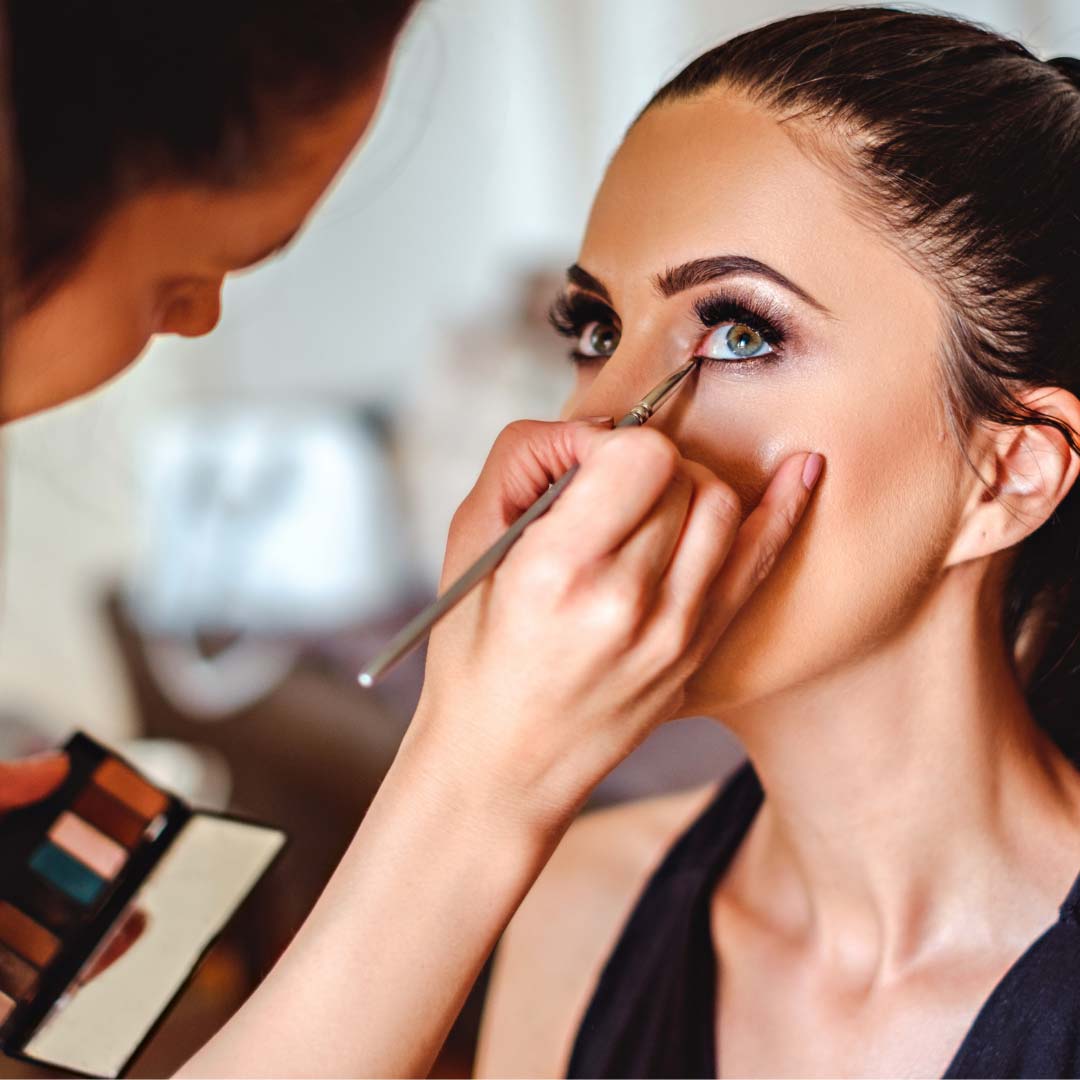
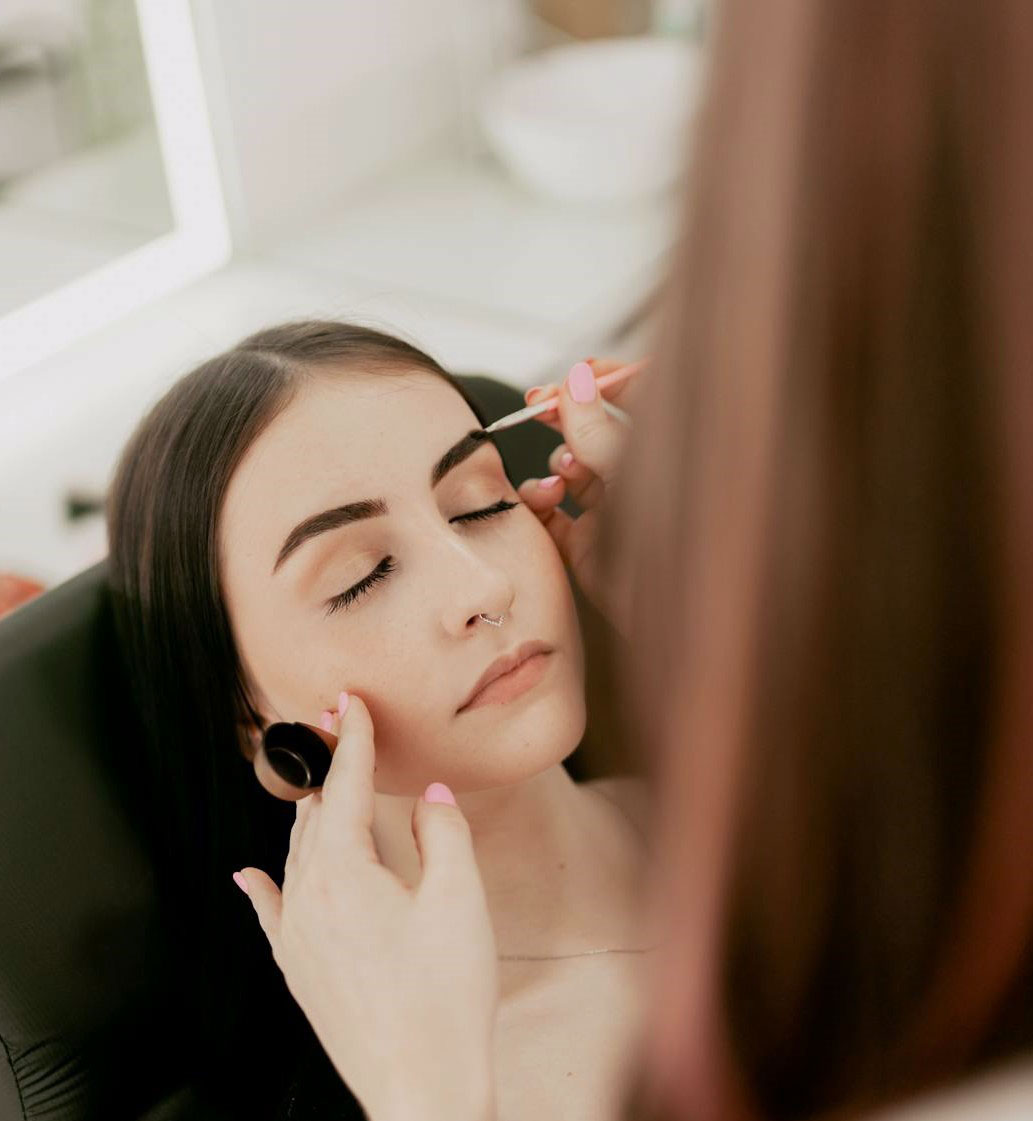
Eye Makeup: From subtle daytime looks to dramatic evening styles. Understanding eye shapes, blending techniques, liner application, and lash application. Eye makeup is often where clients want the most transformation.
Contouring and Highlighting: Sculpting facial features using light and shadow. Understanding face shapes and customising techniques for each client.
Lip Techniques: Long-lasting application, overlining, ombré effects, and product selection for different occasions.
Colour Theory: Understanding colour relationships, complementary colours, and how different shades work with various skin tones. This knowledge enables you to create harmonious looks and solve colour challenges.
Practice, Practice, Practice
Technical skill develops through repetition. Practice on diverse models—different ages, skin tones, face shapes, and skin types. Document your work with photographs to track progress and build your portfolio.
Seek feedback from instructors, mentors, and honest friends. Watch tutorial videos from respected artists. Study editorial work that inspires you. The learning never stops—even established artists continually refine their skills.
Choosing Your Specialisation
Bridal Makeup Artist
Bridal work is the most common entry point for makeup artists in the UK. The market is substantial—hundreds of thousands of weddings annually, each requiring makeup services.
Advantages: Consistent demand, emotional satisfaction, good earning potential, word-of-mouth referrals, seasonal peaks create intensive earning periods.
Challenges: High-pressure situations, demanding clients (sometimes bridezillas), seasonal business requiring financial planning, weekend work.
Typical earnings: £150-£500+ per bridal booking depending on location, experience, and package inclusions.
Editorial and Fashion
Working with magazines, brands, and fashion shows offers creative opportunities and industry prestige.
Advantages: Creative expression, variety of work, portfolio building with professional photographers, industry connections, potential for high visibility.
Challenges: Competitive field, often requires relocating to major cities (London particularly), can involve unpaid or low-paid work initially, irregular schedule.
Typical earnings: Highly variable—from unpaid test shoots to £500+ daily rates for established artists.
Film and Television
Creating looks for productions ranging from commercials to major films.
Advantages: Creative challenges, stable employment on longer productions, union protection often available, collaborative creative environment.
Challenges: Long hours, hierarchical industry, extensive additional training often required, competitive entry.
Typical earnings: £200-£600+ daily depending on production level and experience.
Retail and Counter Work
Working for cosmetic brands in department stores or standalone boutiques.
Advantages: Regular income, product training, employee discounts, customer interaction, skill development.
Challenges: Sales targets, limited creative expression, retail hours including weekends.
Typical earnings: £18,000-£30,000 annually plus commission and benefits.

Building Your Portfolio
Your portfolio is your most important marketing tool—it demonstrates your capabilities to potential clients, employers, and collaborators.
What to Include
Range of Looks: Showcase versatility. Include natural/no-makeup makeup, bridal, evening glamour, editorial/creative, and any specialisations.
Before and After Images: These demonstrate your skill more powerfully than “after” shots alone.
Diverse Models: Show you can work with all skin tones, ages, and face shapes. Limited diversity suggests limited skill.
Professional Photography: Invest in professional shoots with photographers, models, and hair stylists. Mobile phone photos don’t convey professional quality.
Your Best Work Only: Quality over quantity. Ten outstanding images outperform fifty mediocre ones.
Finding Models
Building a portfolio requires willing faces:
Friends and Family: Your first practice subjects and portfolio models. Be generous with your time in exchange for their cooperation.
Model Mayhem and Similar Sites: Connect with aspiring models seeking portfolio images—mutually beneficial collaborations.
Photography Students: Art and photography students need subjects for their own portfolios. Offer makeup services in exchange for professional images.
Social Media Callouts: Post requests for models willing to trade their time for complimentary makeup services and professional photos.
Working with Photographers
Strong photographer relationships accelerate portfolio building. Approach photographers whose work you admire about creative collaborations (TFP—Time for Print arrangements where everyone works free but receives images for their portfolios).
When working with photographers, bring your creative ideas while remaining collaborative. Professional conduct—punctuality, preparation, flexibility—leads to repeat collaborations and referrals.
Launching Your Makeup Artist Career
Setting Up Your Business
Decide on your business structure—most makeup artists start as sole traders. Register with HMRC for self-assessment tax. Obtain professional liability insurance. Consider joining professional associations for credibility and networking.
Establish your pricing based on your market, experience, and specialisation. Research competitors but don’t necessarily compete on price—compete on quality and service.
Marketing Yourself
Social Media: Instagram remains the primary platform for makeup artists. Post consistently, use relevant hashtags, engage with potential clients and collaborators, show behind-the-scenes content alongside finished looks.
Website: A professional website provides legitimacy and a platform you control. Include your portfolio, services, pricing (or “from” prices), testimonials, and booking information.
Google Business Profile: Claim your listing for local search visibility. Encourage reviews from satisfied clients.
Networking: Attend industry events, connect with photographers, hair stylists, and wedding planners. Referral relationships drive significant business.
Gaining Experience
Starting out often means accepting lower-paid or unpaid work to build experience and portfolio. Assist established artists to learn professional practices. Volunteer for student films or amateur productions. Build your reputation through every interaction.
Complementary skills enhance your employability. Our Certificate In Professional Hair Styling enables you to offer combined hair and makeup services—particularly valuable for bridal work.
Growing Your Career
Continuing Education
The beauty industry evolves constantly. New products, techniques, and trends emerge regularly. Commit to ongoing learning through advanced courses, workshops, and self-directed study.
Building Your Team
As demand grows, consider building a team of artists you can deploy for larger bookings or overflow work. This requires management skills but enables business scaling beyond your individual capacity.
Diversifying Income
Successful makeup artists often develop multiple income streams. Teaching workshops or courses shares your expertise while generating revenue. Product development or brand partnerships leverage your influence. Content creation and social media monetisation reach audiences beyond direct services.
Ready to launch your makeup artist career? Our Certificate in Professional Make Up Artistry provides comprehensive training, a professional kit, and the portfolio-building guidance to start your journey confidently. With flexible online learning and expert tutor support, you’ll develop the skills that create opportunities. Enrol today and transform your passion for makeup into a rewarding career.