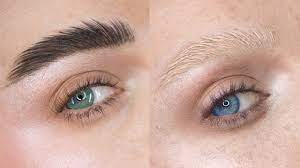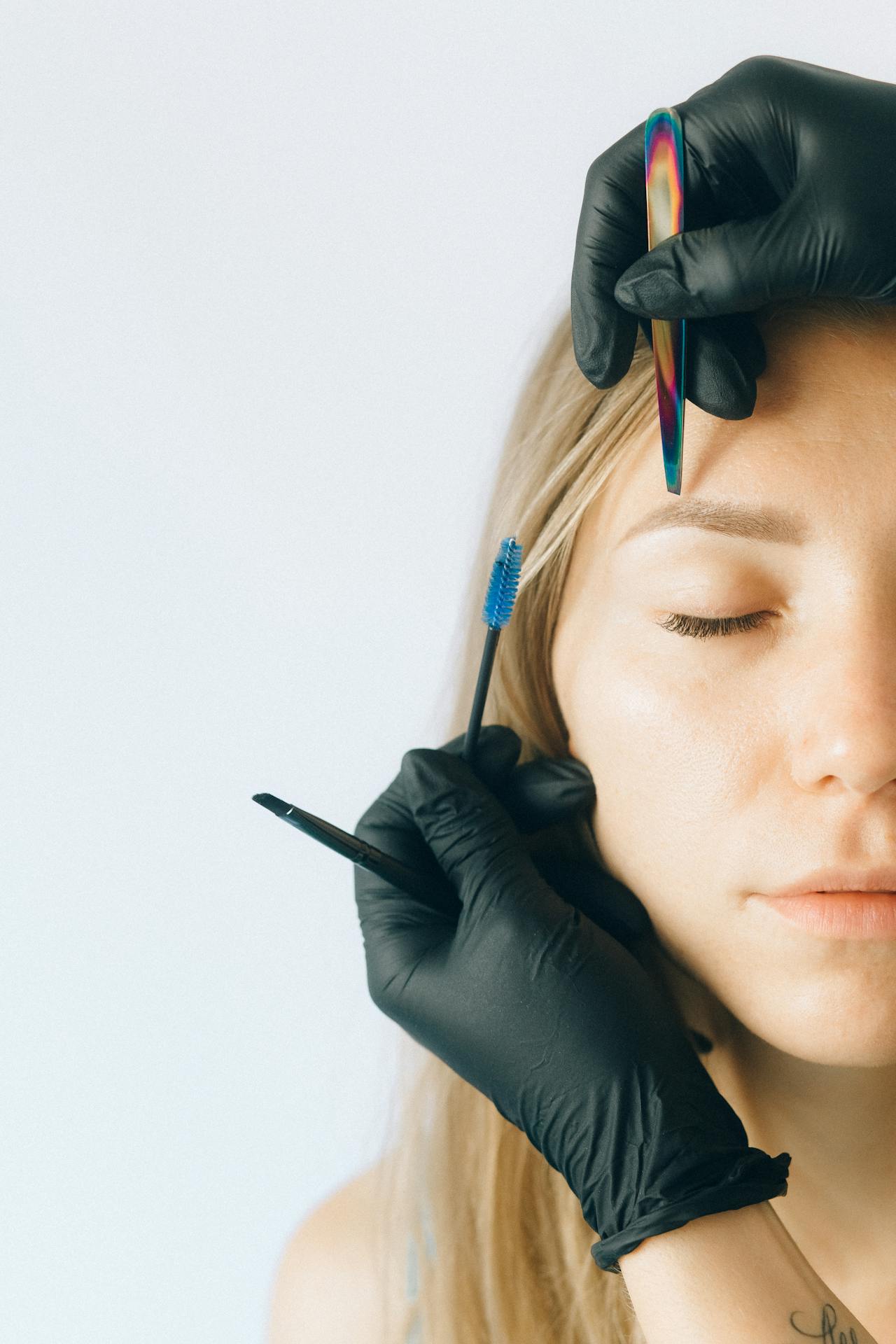
Yes, brow lamination is good for thin brows. It helps create the appearance of fuller, more defined eyebrows by straightening and lifting the brow hairs, giving a volumised and polished look without the need for makeup or invasive treatments. For many clients with sparse brows, lamination provides a transformative result that significantly boosts their confidence and simplifies their daily routine.
Brow lamination is a non-invasive beauty treatment that smooths and sets brow hairs in a uniform direction using a gentle chemical solution. Think of it as a keratin treatment—but for your eyebrows. The treatment restructures hair bonds to create lasting lift and direction that stays in place for weeks.
How Brow Lamination Works for Thin Brows
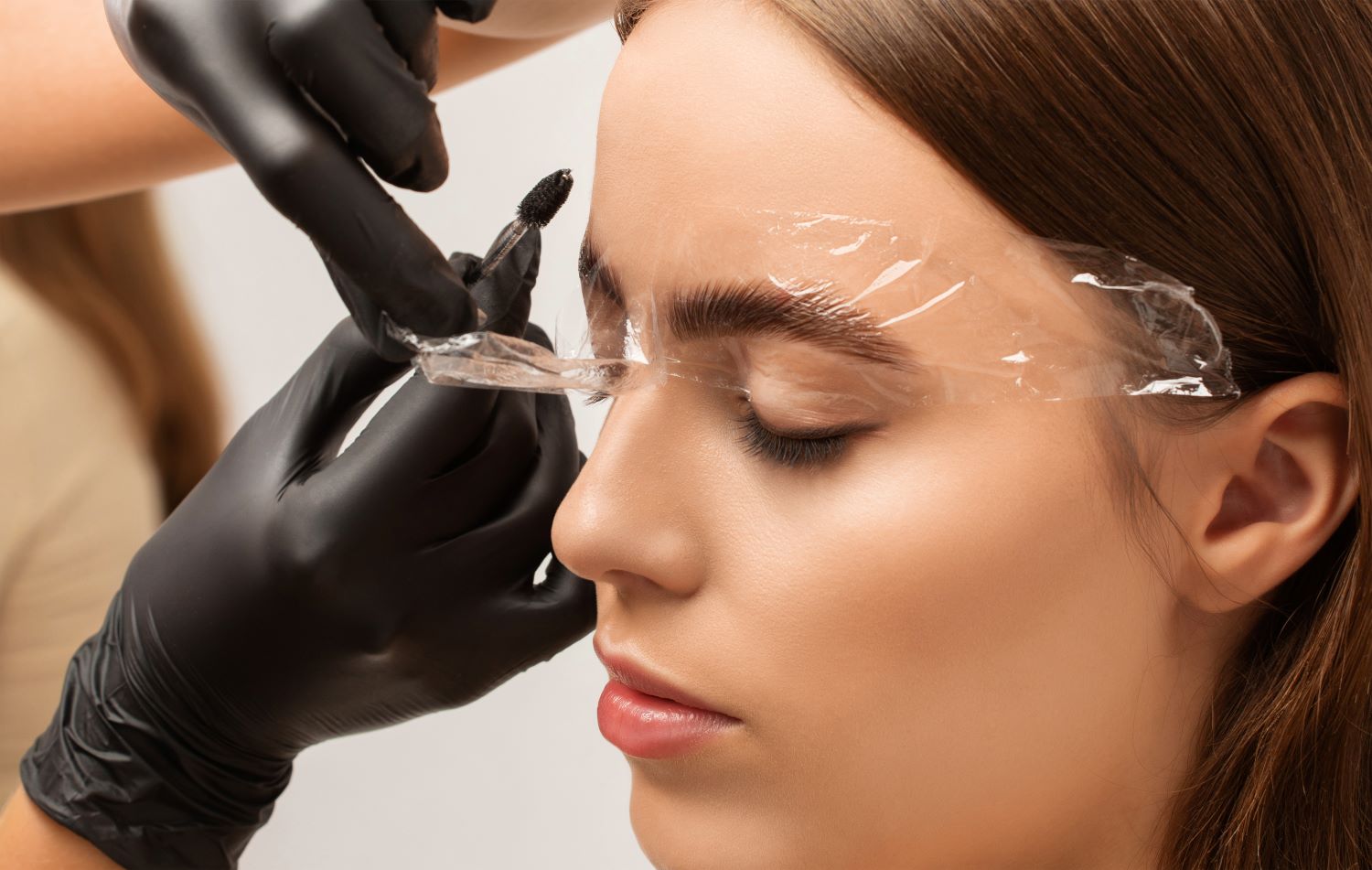
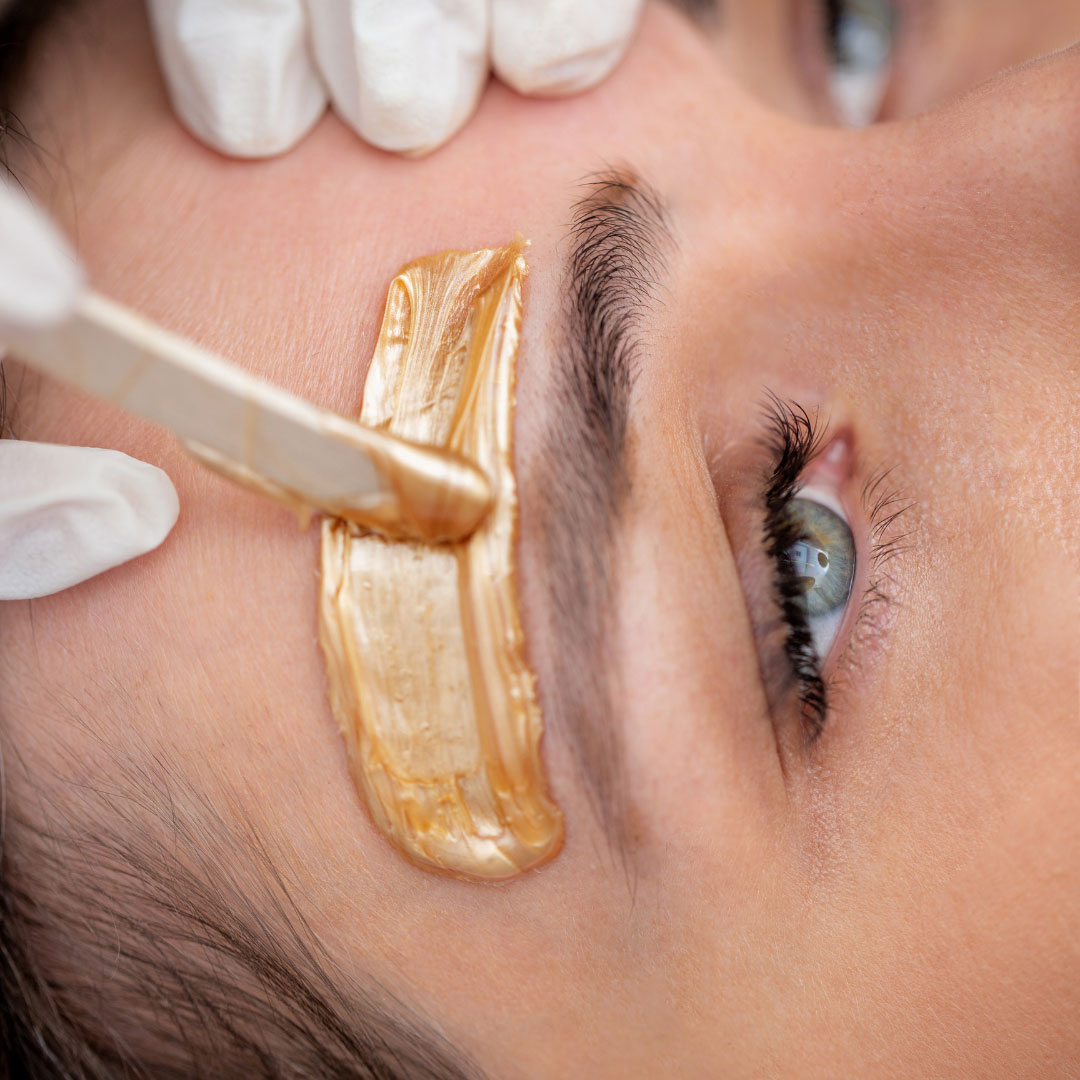
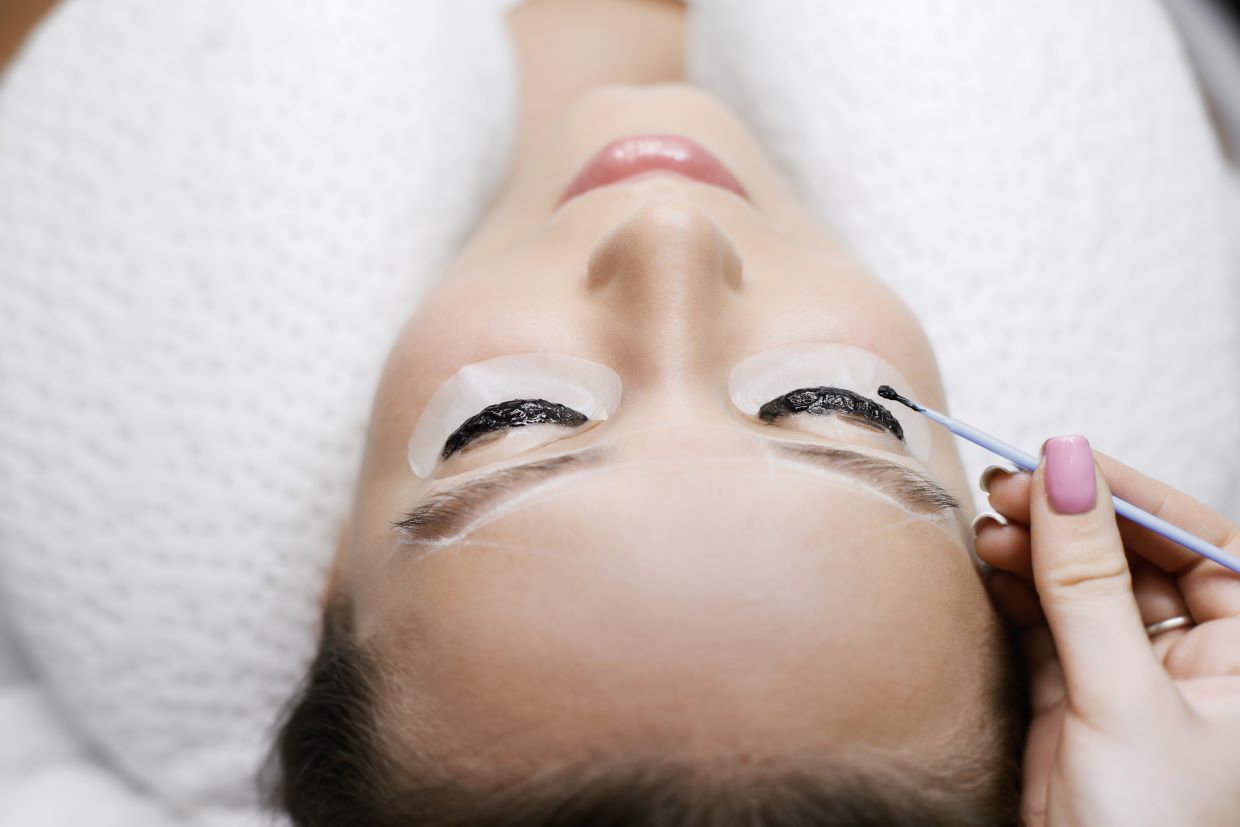
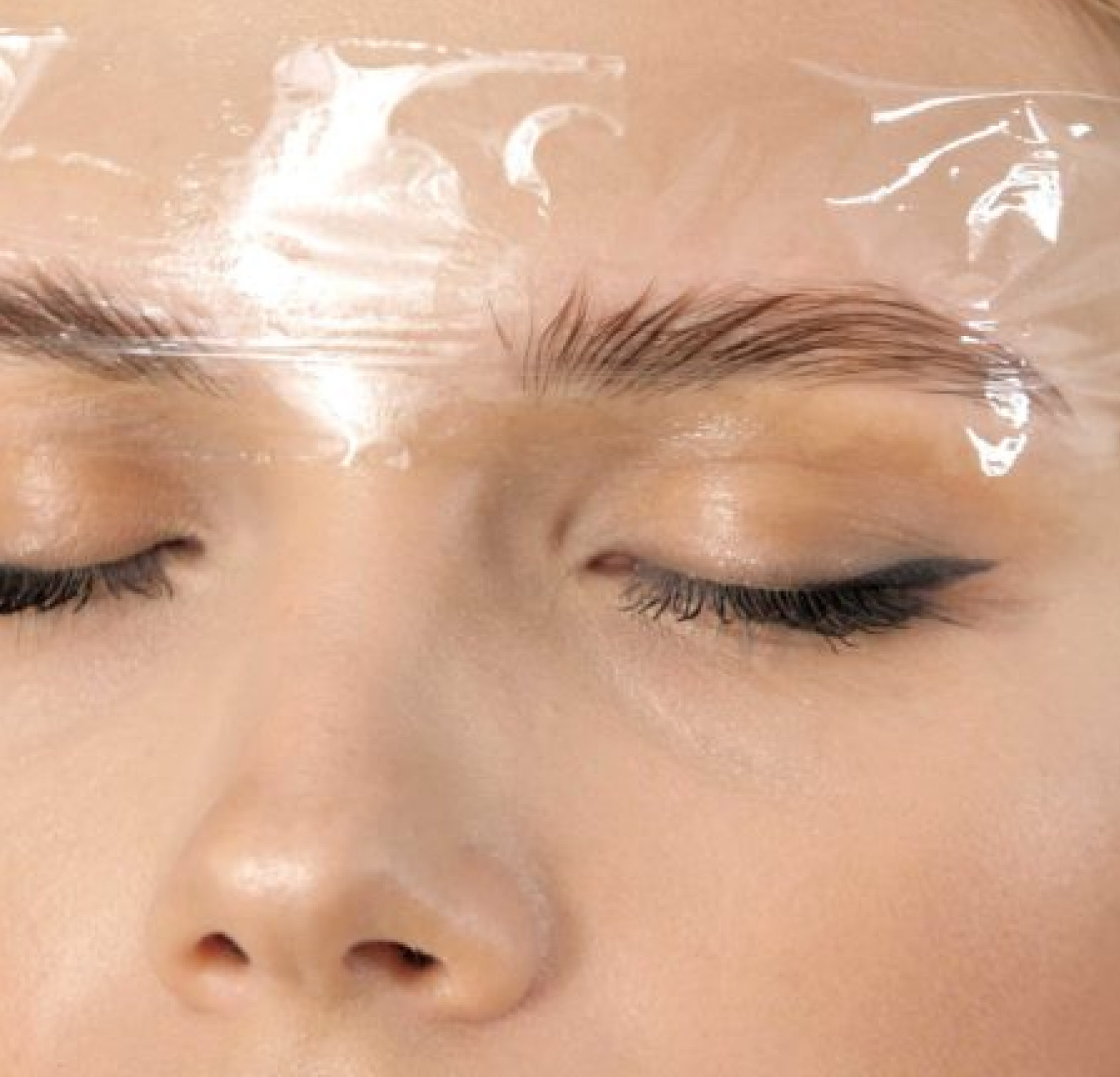
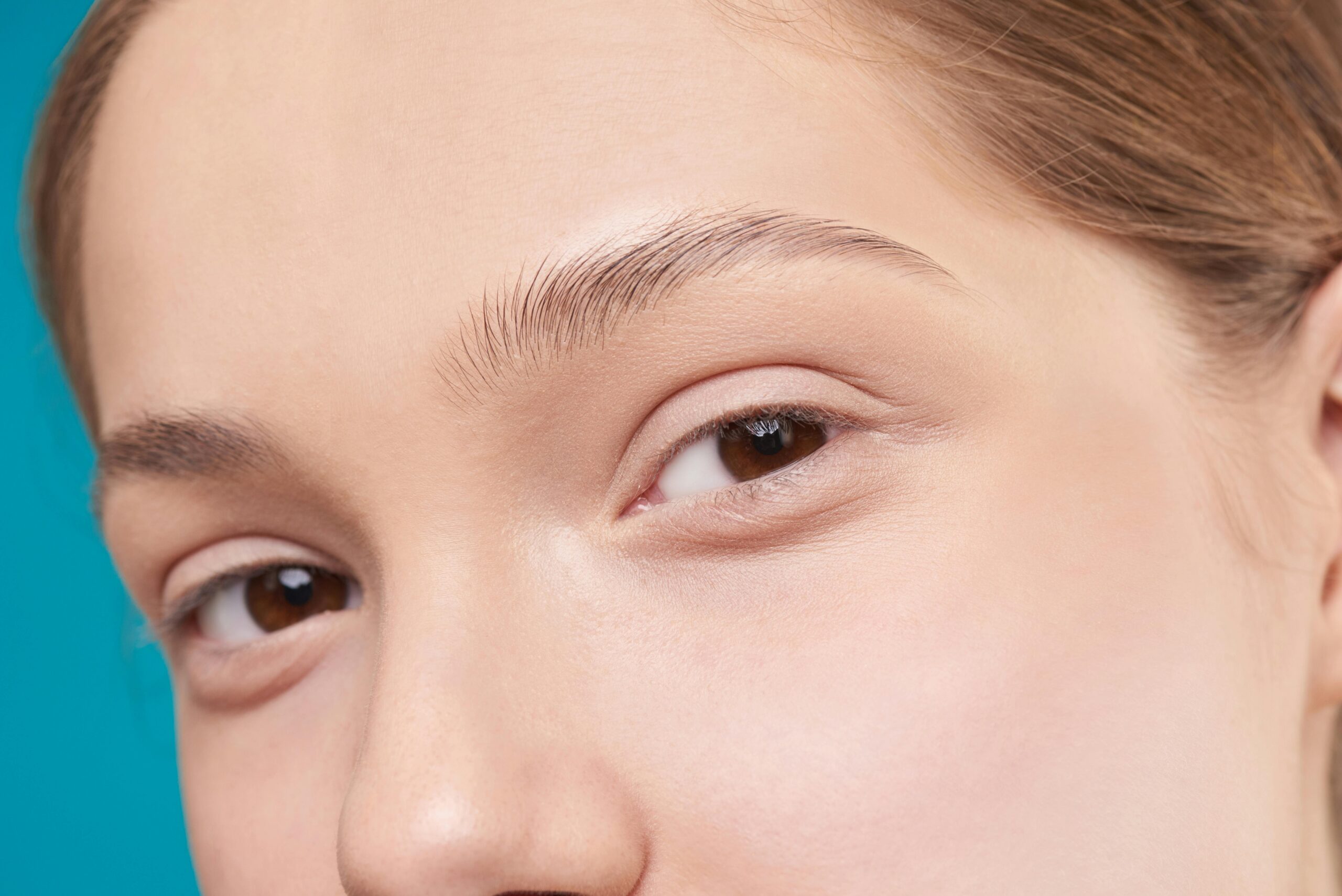
The treatment works by softening the hair structure through a chemical process, repositioning the strands, and locking them in place with a fixing solution. The goal is to stretch and lift each hair so that brows look fuller and more uniform, maximising the visual impact of every single hair present.
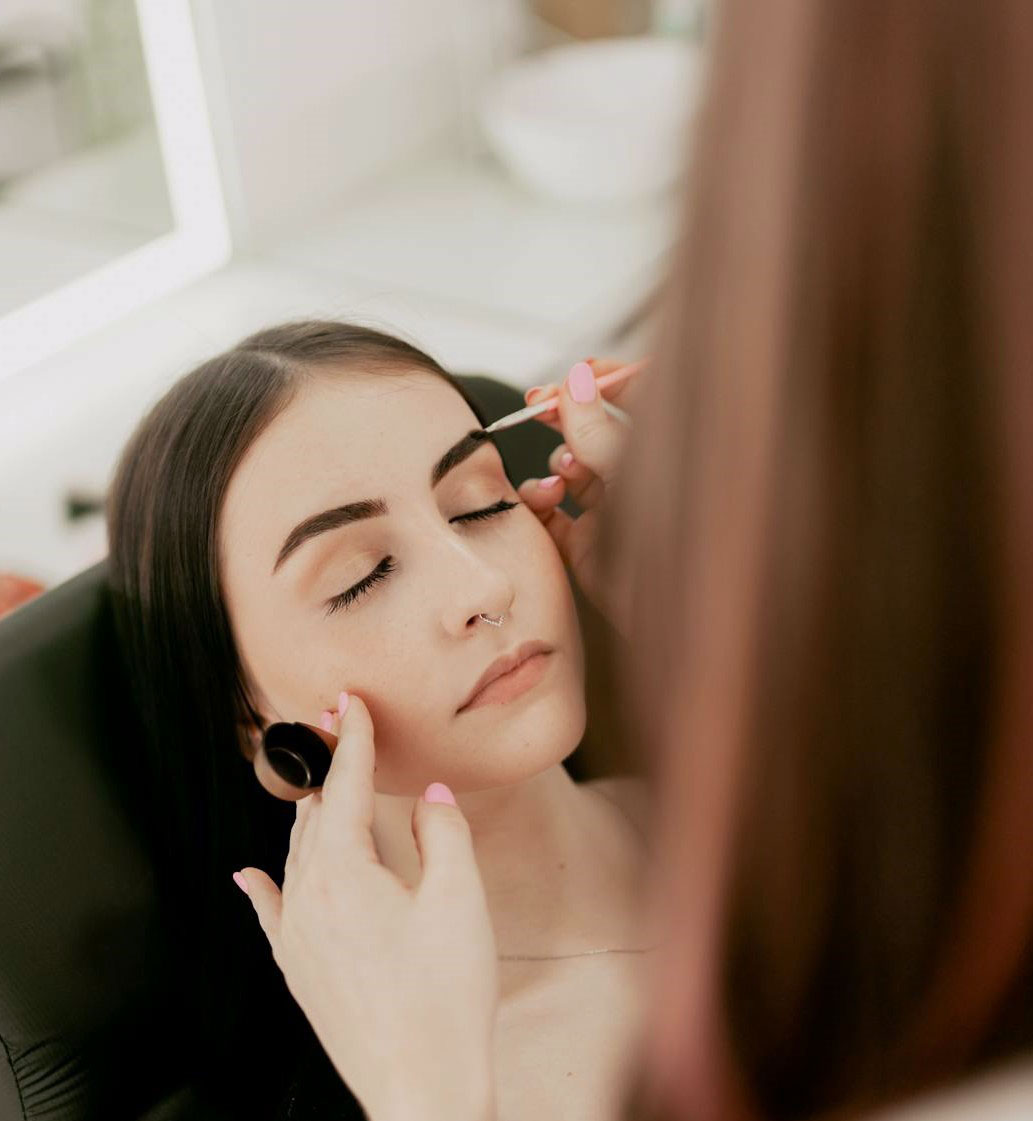
For thin, fine, or sparse brows, this technique can effectively fill gaps and create a fluffier appearance. At UK Beauty School, we often recommend lamination to clients with brows that appear patchy, overplucked, or naturally fine, because it maximises every strand’s potential without requiring extensions or semi-permanent makeup.
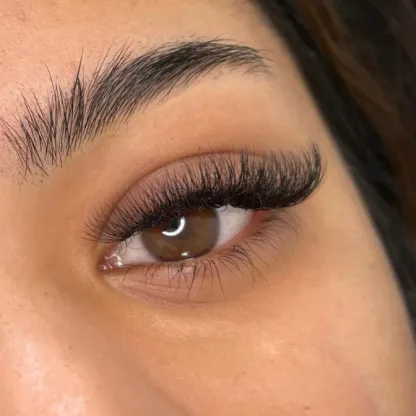
The lifted, brushed-up effect spreads existing hairs across a wider area, making sparse sections appear fuller. When combined with tinting, the visual transformation can be dramatic—yet still looks completely natural because you’re working with the client’s own hair.
Important: Managing Expectations with Thin Brows
It’s crucial to note that brow lamination doesn’t make new hair grow. Instead, it leverages what’s already there by styling it to appear thicker and more defined. The treatment works with existing hair, not magic—so completely bare areas cannot be improved through lamination alone.
Realistic expectations are key to client satisfaction. Lamination won’t transform non-existent brows into Instagram-worthy arches, but it will maximise the appearance of whatever hair is present. For clients with very sparse brows, combining lamination with other treatments or makeup may be necessary for their desired result.
During consultations, assess the client’s natural brow density honestly. If they have fewer than 50% of normal brow coverage, lamination alone may not meet their expectations. Be direct about what the treatment can and cannot achieve—clients appreciate honesty and will trust you more for it.
Lamination vs Other Options for Thin Brows
Compared to Microblading
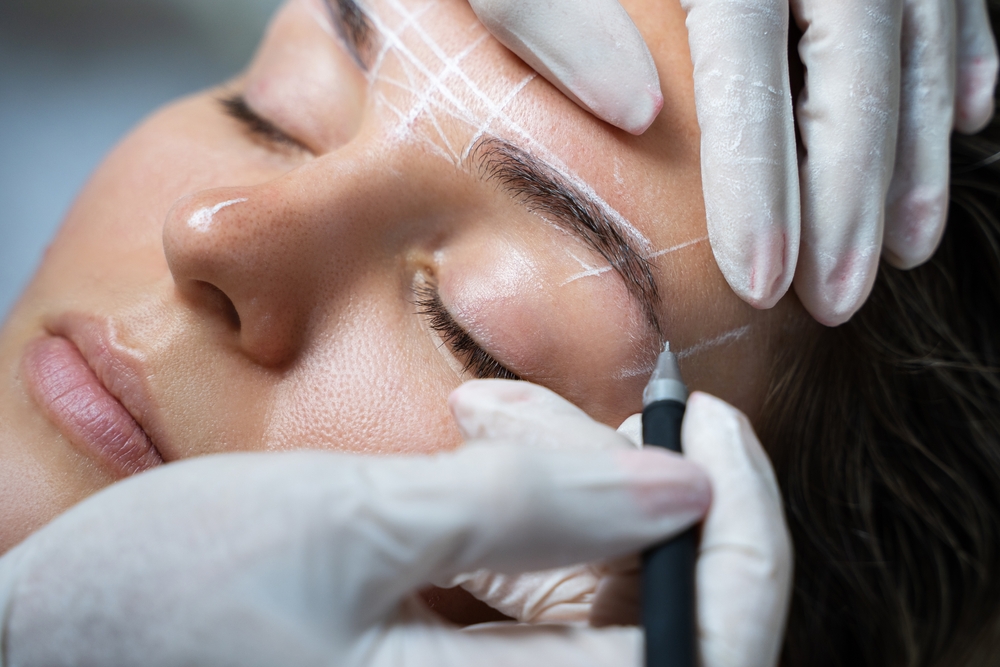
Microblading creates hair-like strokes using semi-permanent pigment tattooed into the skin. It’s more invasive but can create the illusion of hair where none exists—something lamination cannot do. Microblading is ideal for clients with significant gaps or very sparse coverage.
Lamination only works with existing hair, making it a better choice for clients who have decent coverage but struggle with texture or direction. It’s also reversible and carries fewer risks than tattooing.
Compared to Brow Serums
Growth serums can help stimulate new hair growth over time, but results typically take 2-4 months and vary significantly between individuals. Lamination provides immediate visual results within a single appointment.
Many clients use both approaches for optimal results—serums to encourage growth over time while lamination maximises the appearance of existing hair.
Results for Thin Brows: What to Expect
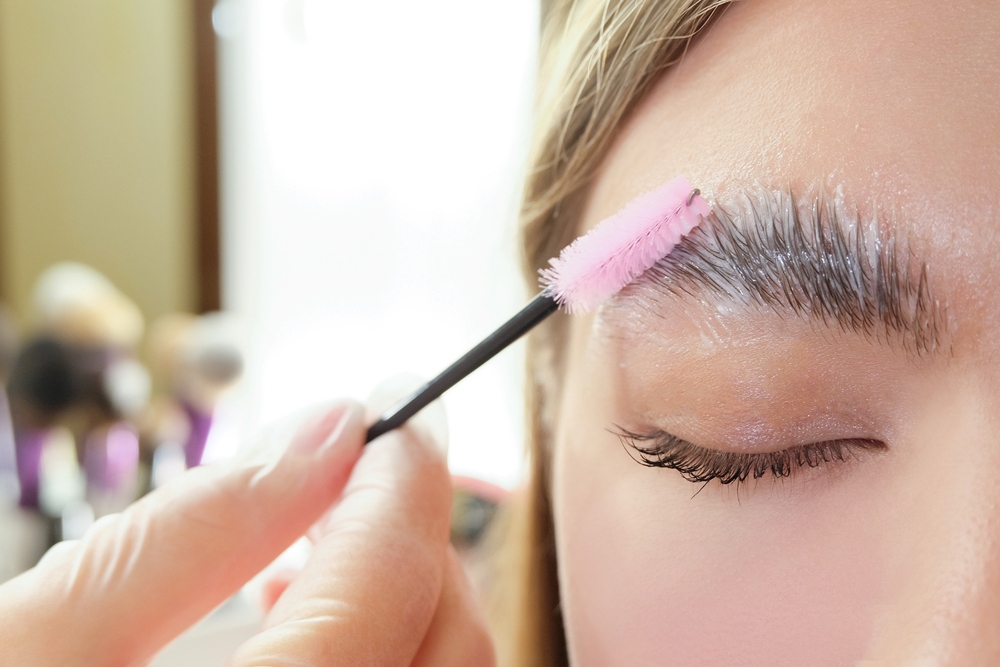
Clients with thin brows often see significant improvements after lamination. Gaps between hairs appear smaller as lifted hair spreads across a wider area. The overall brow shape looks more defined, even without daily styling or makeup.
Less time and product is needed for daily brow makeup. A natural, fluffy appearance lasts 6-8 weeks with proper aftercare.
Risks and Limitations for Thin Brows
Over-Processing Risk
Ultra-fine or weak brow hairs are more susceptible to damage from the chemical solutions. A skilled technician will adjust processing times accordingly—fine hair typically needs significantly shorter treatment times than coarse hair.
Minimum Hair Requirement
If brows are extremely sparse, lamination may actually highlight the lack of volume rather than disguise it. In these cases, other options like henna brow tinting or microblading may be more suitable.
An honest assessment during consultation prevents disappointment. If you can see significant skin through the brows, lamination alone probably won’t achieve the client’s goals.
Aftercare for Thin, Laminated Brows
Avoid water, steam, and makeup for 24-48 hours post-treatment. Use a nourishing brow serum daily. Brush gently with a clean spoolie each morning. Avoid oil-based products near the brow area.
Thin brows are more prone to dryness and breakage, so conditioning is especially important. Our Certificate in Eyebrow Lamination teaches proper techniques for all brow types, including thin and sparse brows.