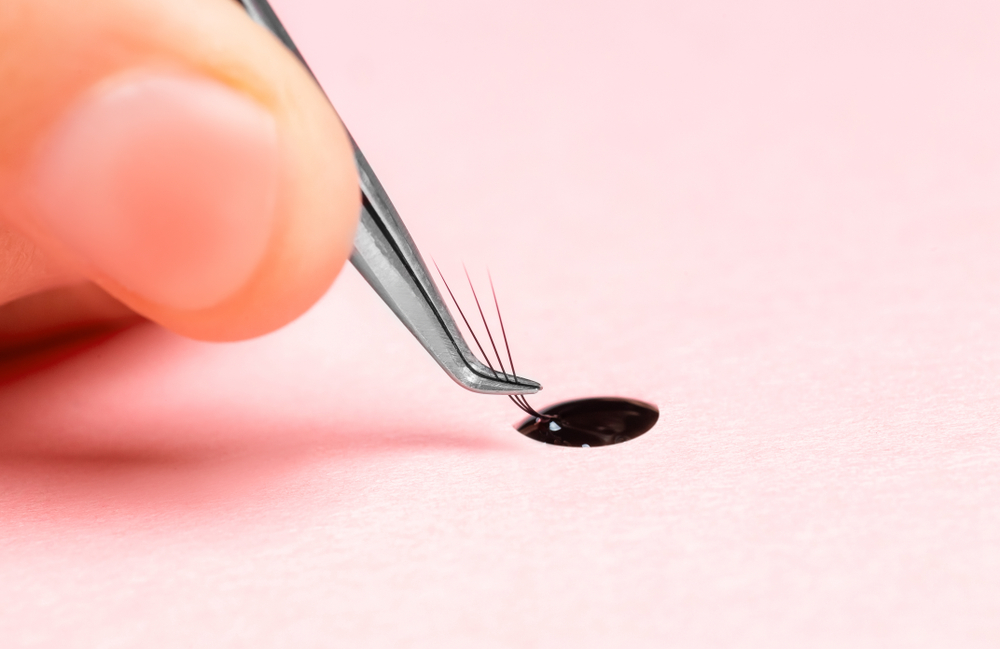
Selecting the right lash adhesive for your working conditions is one of the most critical decisions affecting retention, client comfort, and your reputation. Adhesive performance depends on humidity, temperature, application technique, and proper storage. Understanding adhesive chemistry and matching products to your environment ensures consistent results.
Many retention problems trace back to adhesive issues—wrong product selection, improper storage, or technique problems. Mastering adhesive knowledge transforms inconsistent results into reliable excellence.
At UK Beauty School, our Certificate in Eyelash Extensions devotes significant training to adhesive science, ensuring you understand this critical component of professional lash work.
Understanding Lash Adhesive Chemistry
How Lash Adhesives Work
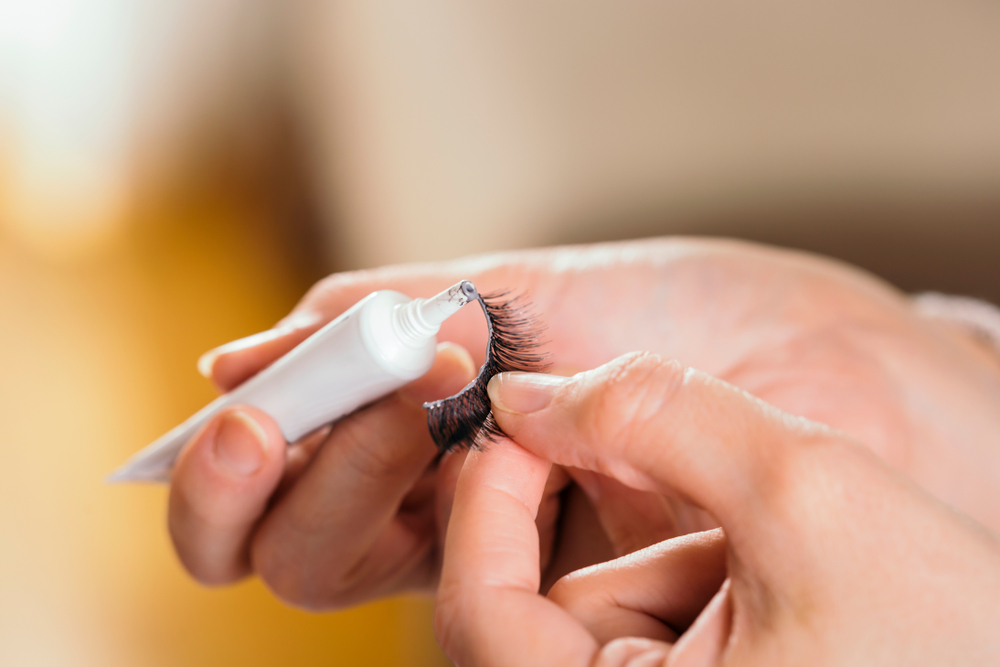
Professional lash adhesives are cyanoacrylate-based—the same family as super glue but formulated specifically for cosmetic use near the eyes. When cyanoacrylate contacts moisture (from humidity in the air), it polymerises (hardens) through a process called anionic polymerisation.
This chemistry explains why humidity matters so much. According to cosmetic chemistry research, cyanoacrylate curing speed and bond strength directly correlate with available moisture.
Cyanoacrylate Types
Different cyanoacrylate formulations offer varying properties:
Ethyl Cyanoacrylate: Most common. Fast-curing, strong bond. Standard choice for most technicians.
Methyl Cyanoacrylate: Older formulation. Stronger fumes, less commonly used now.
Butyl Cyanoacrylate: Slower curing, lower fumes. Often used in “sensitive” formulations.
Octyl Cyanoacrylate: Slower still, most flexible. Used in medical adhesives.
Most professional lash adhesives use ethyl cyanoacrylate with various additives to modify performance characteristics.
Humidity and Temperature Factors
Why Humidity Matters
Humidity provides the moisture that triggers adhesive curing:
Too Low (<40% RH): Adhesive cures too slowly. Extensions may shift before setting. Poor retention results.
Optimal Range (45-65% RH): Most adhesives perform best. Predictable curing, strong bonds.
Too High (>70% RH): Adhesive cures too quickly, potentially before proper placement. “Shock polymerisation” can occur—rapid surface curing while adhesive beneath remains uncured, creating weak bonds.
UK Climate Challenges
The UK’s variable climate presents unique challenges:
Winter: Central heating creates dry indoor environments (often 30-40% RH). Adhesives cure slowly, requiring different products or humidifier use.
Summer: Higher humidity, especially during humid spells, may require faster-curing adhesives or air conditioning.
Regional Variation: Coastal areas typically have higher humidity than inland locations.
Daily Fluctuation: Humidity changes throughout the day and with weather changes.
Monitoring Your Environment
Invest in a hygrometer to monitor workspace humidity and temperature. Digital hygrometers are inexpensive and invaluable for understanding your working conditions.
Record conditions alongside retention feedback to identify patterns. You may notice poorer retention on certain days or during specific seasons.
Temperature Considerations
Temperature affects adhesive viscosity and curing:
Optimal: 20-24°C (68-75°F)
Too Cold: Adhesive becomes thicker, harder to work with. May cure unpredictably.
Too Hot: Adhesive becomes thinner, may run. Cures faster.
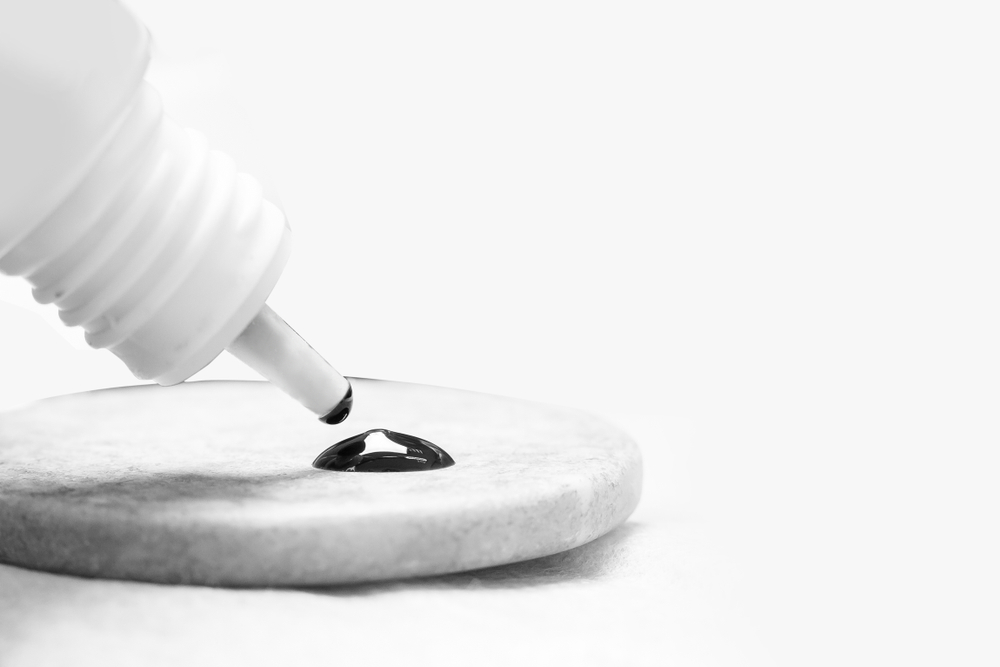
Selecting Adhesive for Your Conditions
Low Humidity Environments (Below 45% RH)
Choose adhesives formulated for low humidity:
Characteristics: Slower drying time, higher sensitivity to moisture, more forgiving application window.
Typical Drying Time: 2-4 seconds
Working Tips: Consider using a humidifier to bring workspace into optimal range. Work in smaller sections to avoid adhesive skinning over. Refresh adhesive drop more frequently.
Medium Humidity Environments (45-60% RH)
Standard adhesives work well:
Characteristics: Moderate drying time, predictable performance, most versatile.
Typical Drying Time: 1-2 seconds
Working Tips: This is the ideal range for most adhesives. Maintain consistent conditions for reliable results.
High Humidity Environments (Above 60% RH)
Choose fast-curing adhesives or control environment:
Characteristics: Faster drying time, designed to perform in moisture-rich environments.
Typical Drying Time: 0.5-1 second
Working Tips: Requires faster application technique. Consider air conditioning or dehumidifier to moderate conditions. Refresh adhesive drop very frequently.
Adhesive Drying Times
Understanding Drying Time Specifications
Adhesive drying time (how long until the bond holds) determines your working speed:
Fast (0.5-1 second): For experienced technicians in higher humidity. Requires precise, quick placement.
Medium (1-2 seconds): Most popular. Allows time for placement adjustment while still working efficiently.
Slow (2-4+ seconds): For beginners learning placement or for very low humidity conditions.
Matching Speed to Skill Level
Beginners: Start with slower adhesives to allow technique development. As placement speed improves, transition to faster products.
Intermediate: Medium-speed adhesives balance efficiency with forgiveness.
Advanced: Fast adhesives maximise speed for efficient, high-volume work.
Attempting fast adhesive before your technique supports it leads to frustration and poor results.
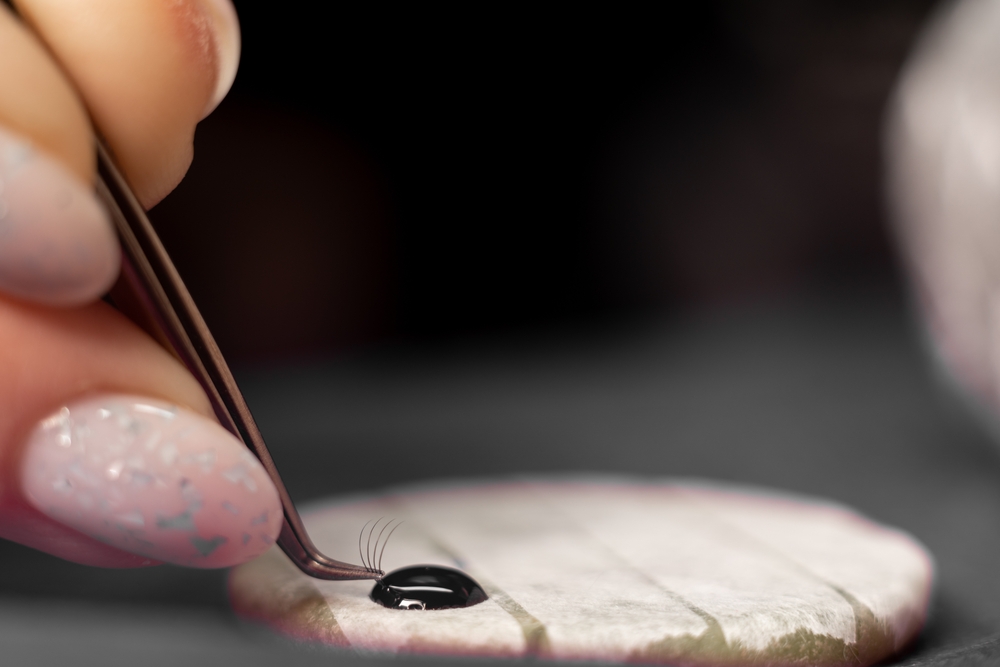
Sensitive Eye Formulations
When to Use Sensitive Adhesives
Some clients experience irritation with standard adhesives:
Symptoms: Watery eyes during application, redness, itching, discomfort that persists post-appointment.
Candidates: Clients with known sensitivities, those who’ve had reactions previously, clients requesting gentler formulations.
Sensitive Adhesive Characteristics
Lower Fumes: Formulated to produce fewer vapours during curing.
Different Cyanoacrylate: Often use butyl or octyl cyanoacrylate instead of ethyl.
Trade-offs: Typically slower drying, may have slightly lower retention than standard adhesives.
Managing Sensitive Clients
Use nano misters or nebulisers to cure adhesive and reduce fumes during application. Ensure excellent ventilation in your workspace. Consider latex-free eye pads and tape. Allow extra time for sensitive client appointments.
Proper Adhesive Storage
Storage Fundamentals
Proper storage extends adhesive life and maintains performance:
Sealed Container: Keep in airtight container with silica gel packets to absorb moisture.
Cool, Dark Location: Away from direct sunlight and heat sources. Refrigeration is unnecessary for most adhesives.
Upright Position: Store bottles upright to prevent nozzle clogging.
Away from Cotton: Cotton can trigger premature curing.
Shelf Life Considerations
Unopened: Most adhesives last 6 months unopened.
Opened: Once opened, use within 4-8 weeks depending on manufacturer guidance. Write opening date on bottle.
Signs of Degradation: Thickening, stringiness, clumping, inconsistent performance, reduced retention.
Nozzle Maintenance
Clogged nozzles affect dispensing and can introduce contaminants:
Clean After Use: Wipe nozzle with lint-free wipe after each use.
Use Nozzle Wipes: Adhesive-specific nozzle wipes prevent buildup.
Replace Nozzles: Some adhesives have replaceable nozzles—change regularly.
Never Use Metal: Don’t clear nozzles with pins or needles that can introduce metal particles.
Troubleshooting Adhesive Issues
Poor Retention
Possible Causes: Wrong adhesive for conditions, expired product, improper storage, insufficient adhesive on extension base, client aftercare issues.
Solutions: Monitor humidity and temperature, check adhesive freshness, review storage practices, assess application technique, educate clients on aftercare.
Extensions Sliding/Not Holding
Possible Causes: Humidity too low (adhesive not curing), natural lash not properly cleaned, adhesive applied incorrectly.
Solutions: Check humidity levels, ensure thorough lash cleaning pre-treatment, review adhesive amount and placement.
Client Irritation
Possible Causes: Fumes, adhesive contact with skin, sensitivity to ingredients.
Solutions: Improve ventilation, use nano mister, check for adhesive on skin, switch to sensitive formula.
Stringy/Thick Adhesive
Possible Causes: Adhesive ageing, exposure to moisture, temperature issues.
Solutions: Replace with fresh adhesive, improve storage practices.
Adhesive Safety
Ventilation
Proper ventilation protects both technician and client from adhesive fumes:
Extraction Systems: Portable extraction fans remove fumes from the working area.
Room Ventilation: Adequate air exchange in your workspace.
Personal Protection: Some technicians wear masks during application.
Patch Testing
While true adhesive allergies are rare, patch testing is recommended practice:
Method: Apply small amount of adhesive to skin behind ear or inner arm 24-48 hours before first appointment.
Documentation: Record patch test results in client files.
Ongoing Awareness: Allergies can develop over time—monitor for reactions.
Building Your Adhesive Expertise
Understanding adhesive is fundamental to professional lash work. Our Certificate in Eyelash Extensions provides comprehensive adhesive training alongside application techniques.
Complementary services require understanding different adhesive types. Our Certificate in Eyelash Lift and Tint covers the different products used for lift services.
Ready to master every aspect of professional lash work? Our Certificate in Eyelash Extensions teaches adhesive science alongside application techniques, ensuring you understand why things work—not just how. Build the knowledge that creates consistent, impressive results. Start your lash training today and become a true lash professional.