If your lash extensions are falling out faster than expected, the causes typically include poor aftercare, incorrect application technique, environmental factors, or underlying health conditions. Understanding the root cause is the first step to achieving better lash retention and keeping clients satisfied with their results.
Lash extensions are designed to last through your natural lash growth cycle—typically 4-6 weeks with proper care. When they fall out prematurely, something has gone wrong that needs to be identified and addressed. At UK Beauty School, we train lash technicians to troubleshoot retention issues systematically, ensuring they can deliver consistent, long-lasting results.
Poor retention is one of the most common complaints in the lash industry, and it can devastate a technician’s reputation if not addressed. Understanding the full range of causes—from technical application issues to client lifestyle factors—helps you solve problems and retain clients.
Understanding Natural Lash Shedding
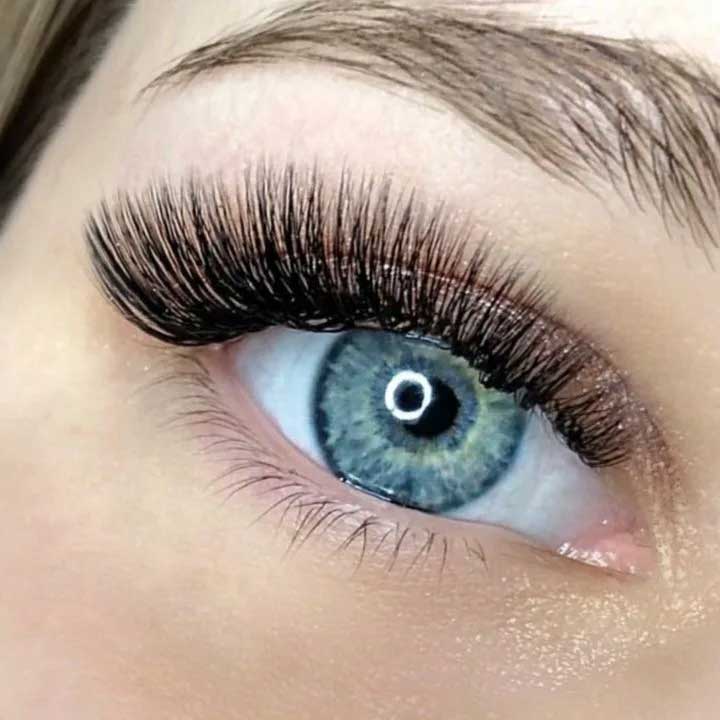
Before diagnosing retention problems, it’s essential to understand what’s normal. Natural lash shedding is completely normal and unavoidable. We lose 1-5 natural lashes per day as part of the natural growth cycle. When your natural lash sheds, the extension attached to it goes with it—this is expected and not a sign of poor retention.
The natural lash growth cycle has three phases: anagen (growth), catagen (transition), and telogen (resting/shedding). At any given time, your lashes are in different phases of this cycle, which is why you don’t lose all your lashes at once. Extensions are applied to lashes in the anagen or catagen phase, and they’ll shed naturally when that lash reaches telogen.
However, if a client loses more than 30-40% of their extensions within the first week, something beyond natural shedding is occurring. This warrants investigation into application technique, aftercare, or other factors.
Seasonal changes can also affect shedding rates. Many people experience increased lash loss during autumn and spring as the body responds to changing daylight and temperatures. The British Association of Dermatologists notes that hair shedding cycles can be influenced by environmental factors.
Application Issues That Cause Poor Retention
Poor Isolation
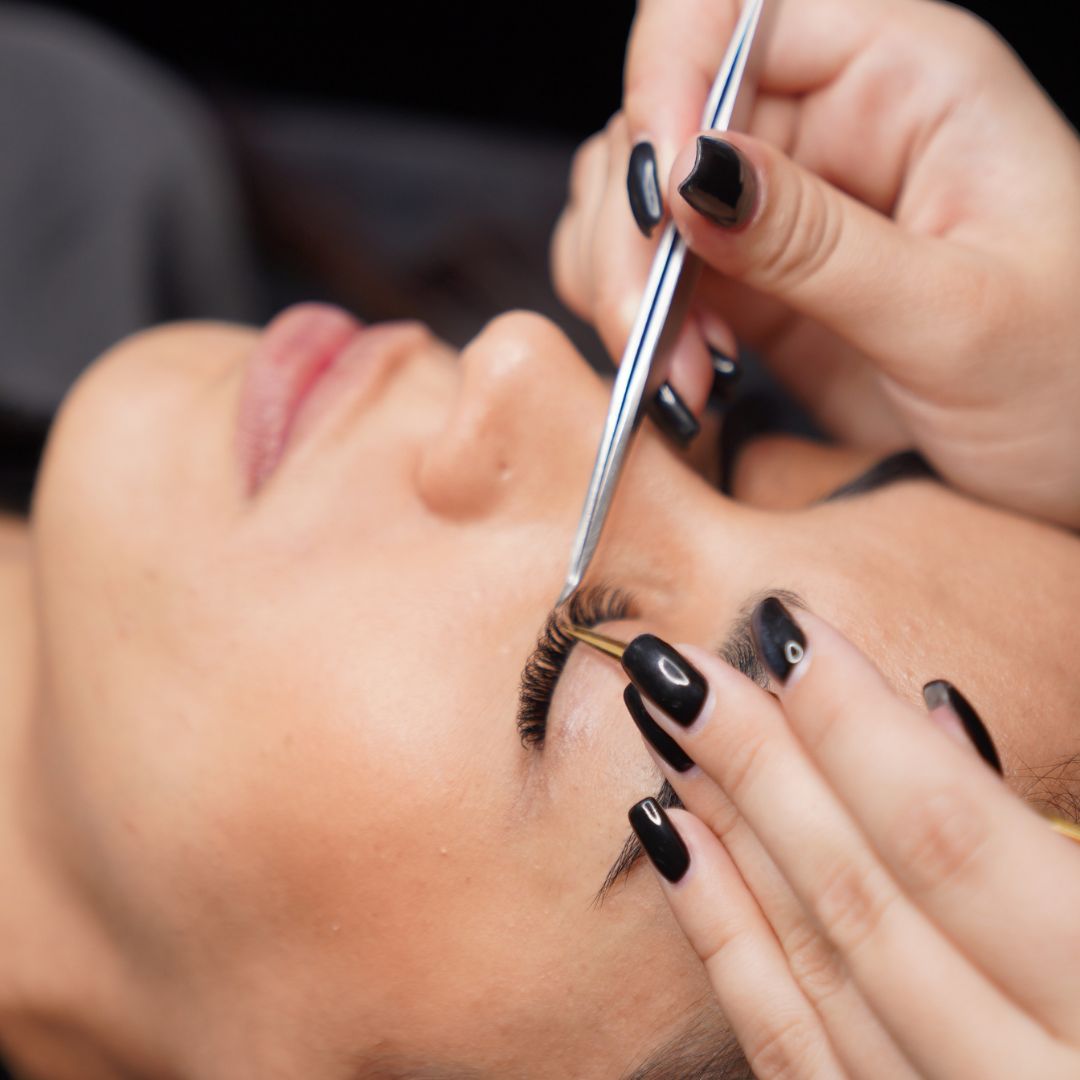
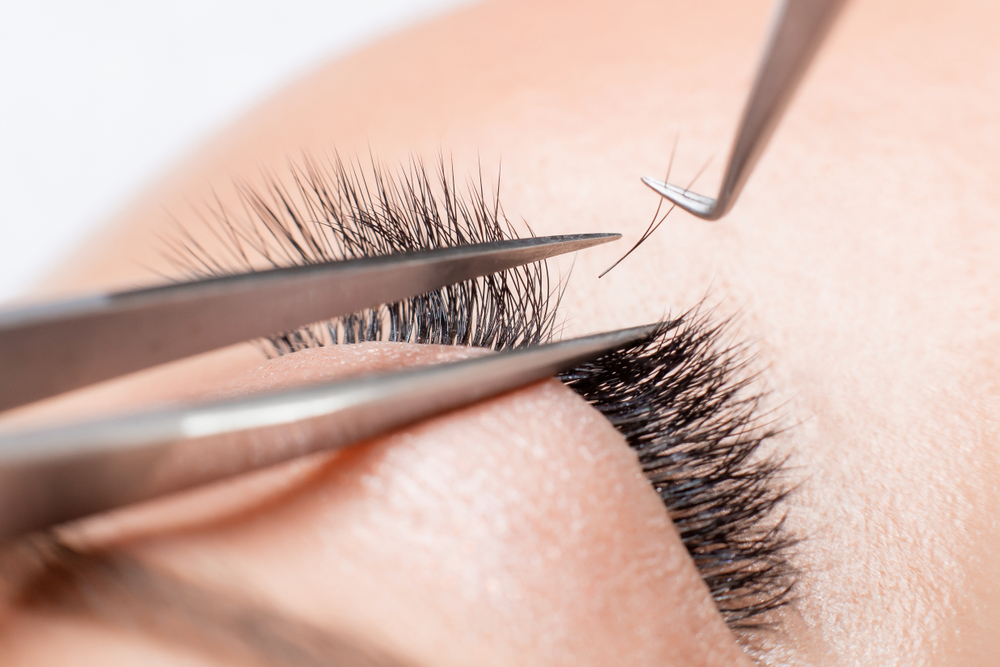
Not separating individual lashes properly results in multiple lashes stuck together—known as “stickies.” When one of these joined lashes naturally sheds, it pulls the others with it, causing premature loss of multiple extensions at once. Poor isolation also causes discomfort for clients and can damage natural lashes.
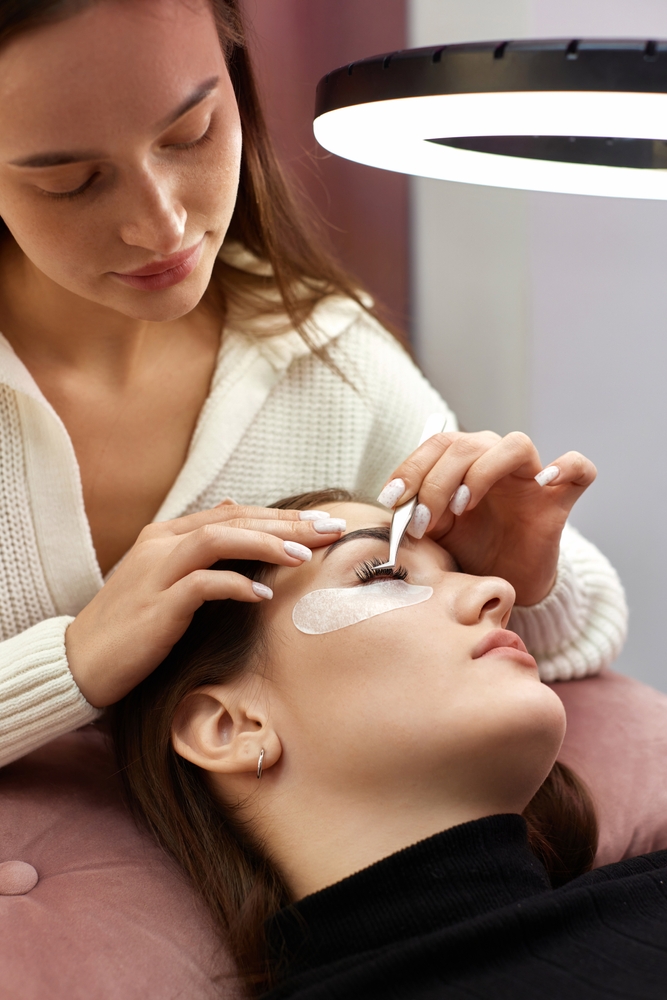
Proper isolation requires patience and practice. Each natural lash must be completely separated before an extension is applied. Our Certificate in Eyelash Extensions dedicates significant training time to isolation techniques because it’s fundamental to quality work.
Wrong Placement
Placing extensions too close to the eyelid (less than 0.5mm) causes irritation, itching, and discomfort that leads clients to touch and rub their lashes—accelerating fallout. Extensions placed too close can also impede the natural lash’s growth and cause premature shedding.
Placing extensions too far from the lash line (more than 1.5mm) creates a weak bond because the attachment point is on a narrower, more flexible part of the natural lash. These extensions twist, rotate, and fall off quickly.
The ideal placement is 0.5-1mm from the lash line, depending on the client’s natural lash thickness and the extension weight being applied.
Adhesive Problems
Adhesive issues are among the most common causes of retention problems:
Too much adhesive creates visible clumps that are heavy and uncomfortable. The excess glue takes longer to cure properly and may remain tacky, attracting dust and fibres that weaken the bond.
Too little adhesive results in weak bonds that can’t withstand normal daily activities. The extension simply hasn’t been secured properly.
Old or improperly stored adhesive loses its bonding properties. Adhesive should be stored upright, at consistent room temperature, away from moisture. Most adhesives expire 4-6 weeks after opening, regardless of how much remains in the bottle.
Incorrect adhesive for conditions: Different adhesives work optimally in different temperature and humidity ranges. Using an adhesive formulated for low humidity in a humid environment (or vice versa) causes bonding failures. Professional technicians adjust their adhesive selection based on working conditions.
Weight Mismatch
Extensions that are too heavy for natural lashes cause stress that accelerates shedding. A heavy extension constantly pulls on the natural lash, potentially damaging the follicle and causing the natural lash to shed before its time.
Proper weight selection requires assessing each client’s natural lashes—their thickness, strength, and health. Fine, weak natural lashes require lighter extensions (lower diameter, shorter length) than thick, strong natural lashes. This assessment skill develops with training and experience.
Aftercare Issues
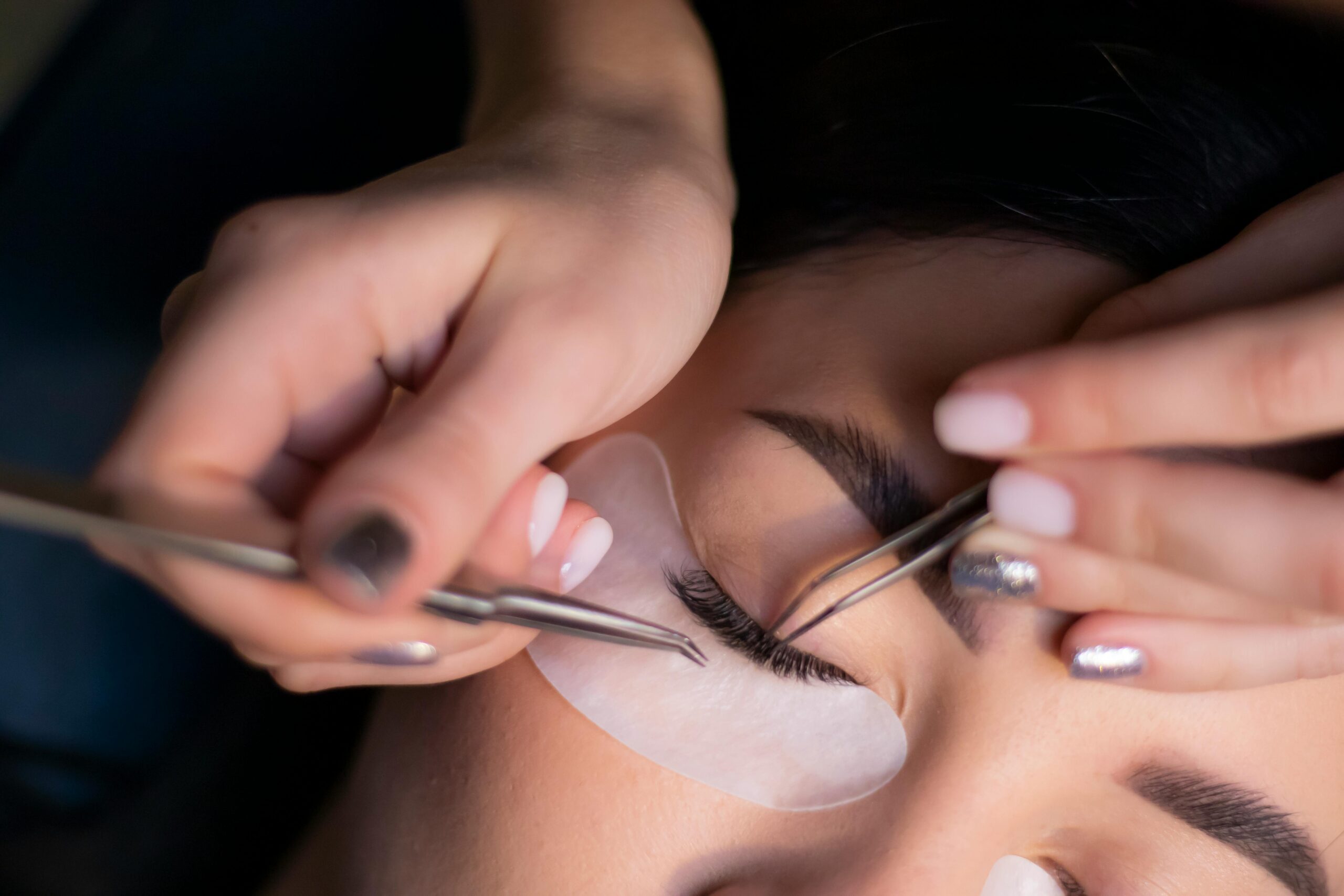
Even perfect application can be undermined by poor aftercare. Educating clients about proper care is as important as the application itself:
Getting lashes wet within 24-48 hours disrupts adhesive curing. Most lash adhesives require 24-48 hours to fully cure. While they’re functional within hours, exposing them to water or steam during the curing window weakens the bond significantly.
Oil-based products break down cyanoacrylate-based lash adhesives. Many skincare products, makeup removers, and even some mascaras contain oils that degrade the bond over time. Clients must be educated about checking ingredient lists and switching to oil-free alternatives.
Rubbing eyes physically dislodges extensions. Clients who habitually touch their face, rub their eyes when tired, or sleep face-down experience faster fallout. Breaking these habits dramatically improves retention.
Not cleaning lashes allows buildup of oils, dead skin, makeup, and debris at the lash line. This buildup weakens adhesion and can lead to blepharitis (eyelid inflammation) that further compromises lash health. Daily cleansing with a lash-safe cleanser should be mandatory aftercare.
Environmental Factors
Environmental conditions affect lash retention in ways clients often don’t anticipate:
High humidity affects adhesive curing and can cause “shock polymerisation”—where adhesive cures too quickly on the surface while remaining uncured underneath. This creates a weak bond that fails quickly. The UK’s damp climate can present challenges, particularly during autumn and winter.
Swimming pool chlorine and salt water degrade adhesive bonds with repeated exposure. Clients who swim regularly may experience faster fallout and should consider wearing goggles or scheduling more frequent fills.
Steam from showers and saunas weakens adhesion, especially in the first 48 hours but also with ongoing exposure. Clients who enjoy steam rooms or hot yoga need adjusted expectations or modified aftercare.
Extreme temperatures can affect adhesive performance. Both very hot and very cold conditions can compromise bonds, particularly during the curing period.
Health Conditions
Sometimes premature lash loss indicates underlying health issues rather than application or aftercare problems:
Blepharitis is eyelid inflammation that disrupts the lash follicle environment. According to the American Academy of Ophthalmology, blepharitis is extremely common and causes increased lash shedding alongside symptoms like itching, redness, and crusty debris at the lash line. Clients with blepharitis may need medical treatment before lash extensions are appropriate.
Thyroid disorders affect hair growth cycles throughout the body, including eyelashes. Both hypothyroidism and hyperthyroidism can trigger increased shedding. Clients experiencing sudden changes in lash retention alongside other symptoms should consult their GP.
Certain medications affect hair growth cycles. Chemotherapy is the most obvious example, but many other medications—including some blood pressure medications, antidepressants, and hormone treatments—can increase shedding.
Stress triggers telogen effluvium, a condition where more hairs than usual enter the shedding phase simultaneously. Major life stressors can cause temporary increases in lash (and general hair) shedding.
Nutritional deficiencies in iron, protein, biotin, or other nutrients necessary for hair growth can affect lash health and retention.
Prevention Checklist for Clients
Provide clients with clear aftercare guidance to maximise their retention:
Keep lashes completely dry for 24-48 hours after application. Avoid water, steam, sweat, and tears during this critical curing period.
Use only oil-free products on and around the eye area. Check ingredients in cleansers, moisturisers, sunscreens, and makeup.
Clean lashes daily with a lash-safe cleanser and soft brush. Clean lashes retain better than dirty ones.
Don’t rub, pull, or play with your lashes. Resist the temptation to touch them.
Sleep on your back or use a silk pillowcase to reduce friction. Side sleepers often experience faster fallout on the side they sleep on.
Avoid heat and steam whenever possible, especially during the first 48 hours.
Schedule fills every 2-3 weeks to maintain fullness and catch any issues early.
Never attempt to remove extensions yourself—always return to a professional for safe removal.
When to Find a New Technician
Clients should consider finding a different lash provider if they experience:
Consistent poor retention despite following all aftercare instructions carefully. If every set falls out within a week regardless of care, application technique is likely the issue.
Significant natural lash damage—thinning, breakage, or gaps after extensions are removed. Properly applied extensions shouldn’t damage natural lashes.
Infections or ongoing irritation that doesn’t resolve. Pain, persistent redness, or discharge requires medical attention and indicates improper technique or unsanitary practices.
Unprofessional practices such as visible lack of hygiene, rushing through applications, or dismissing client concerns.
Building Your Lash Expertise
Understanding retention issues—and how to prevent and solve them—is essential knowledge for professional lash technicians. Our Certificate in Eyelash Extensions covers application techniques, adhesive science, troubleshooting, and client aftercare education in depth.
For technicians wanting to offer alternatives to clients unsuited for extensions, our Certificate in Eyelash Lift and Tint provides another valuable service option.
Ready to become a lash technician known for exceptional retention? Our Certificate in Eyelash Extensions teaches the techniques that create loyal, satisfied clients who book with you again and again. With comprehensive training in isolation, adhesive selection, application, and troubleshooting, you’ll have the skills to deliver results that speak for themselves. Start your lash career today and build the reputation that grows your business.