One of the most common questions from newly qualified lash technicians in the UK is simple: what do I actually need to get started? The marketing for lash products can be overwhelming, the range of adhesives, tweezers, and lash fibres available is vast, and the price differential between professional-grade and consumer-grade products is enormous. Making the right initial purchases — and avoiding the expensive mistakes that many new lash techs make — significantly affects how quickly you can move from qualification to confident professional practice.
This guide covers the complete professional lash tech starter kit: the essential tools, consumables, and equipment you need before your first client, the quality considerations that should guide your choices, and the approximate investment required to set up properly.
Tweezers: The Most Important Investment
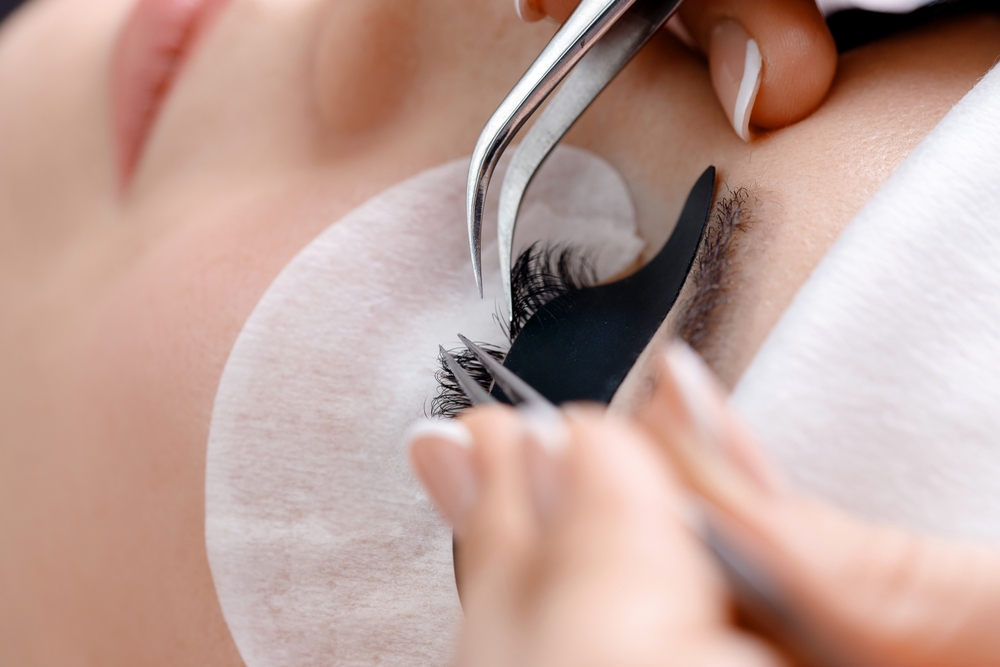
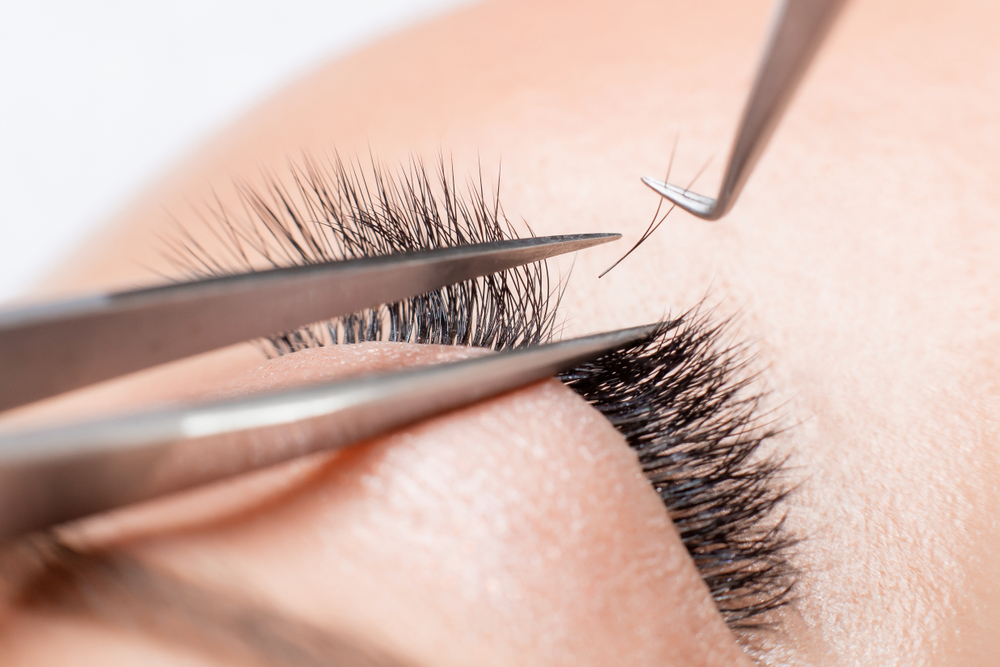
Your tweezers are the most important tools in your kit, and they are not an area to economise. Professional lash tweezers are precision instruments. Cheap tweezers — even those marketed as ‘professional’ at low prices — have inconsistent tips, produce hand fatigue more quickly, and do not provide the control needed for accurate isolation and placement at a professional standard.
The minimum tweezers required are: a straight isolation tweezer for separating natural lashes during application; a curved or angled placement tweezer for picking up and placing extensions; and for volume practitioners, a flat volume tweezer designed specifically for fan-making. The correct tweezer type for your fan-making technique depends on the method your course teaches — do not purchase volume tweezers before you know which method you are developing.
Good professional tweezers from reputable UK lash suppliers typically cost £15 to £35 per pair. Plan for two or three pairs initially to allow for the natural variation in grip tension — every tweezer handles slightly differently, and having options allows you to find what works best for your hand strength and working style.
Adhesive
Lash adhesive is the most technically sensitive consumable in your kit. The correct adhesive for your working conditions, environment, and experience level is genuinely important — using an adhesive designed for experienced technicians working in high-humidity environments when you are newly qualified and working in a home studio will produce poor retention results that you will misattribute to technique errors.
Adhesives are differentiated by drying speed, humidity range, and maximum humidity. Slower-drying adhesives are more forgiving for beginners. As your speed develops, you can transition to faster adhesives with greater confidence. Allure covers lash extension aftercare and product considerations from the client perspective — understanding what clients are advised regarding adhesive sensitivity and aftercare helps you deliver more effective and complete briefings at the end of every appointment.
Store adhesive in a cool, dark environment, never in the fridge (condensation damages the formula), and replace each bottle after four to six weeks of opening regardless of how much remains.
Lash Fibres
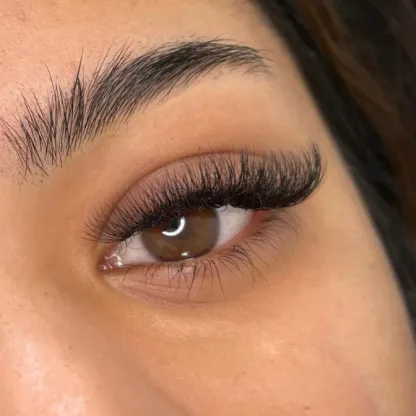
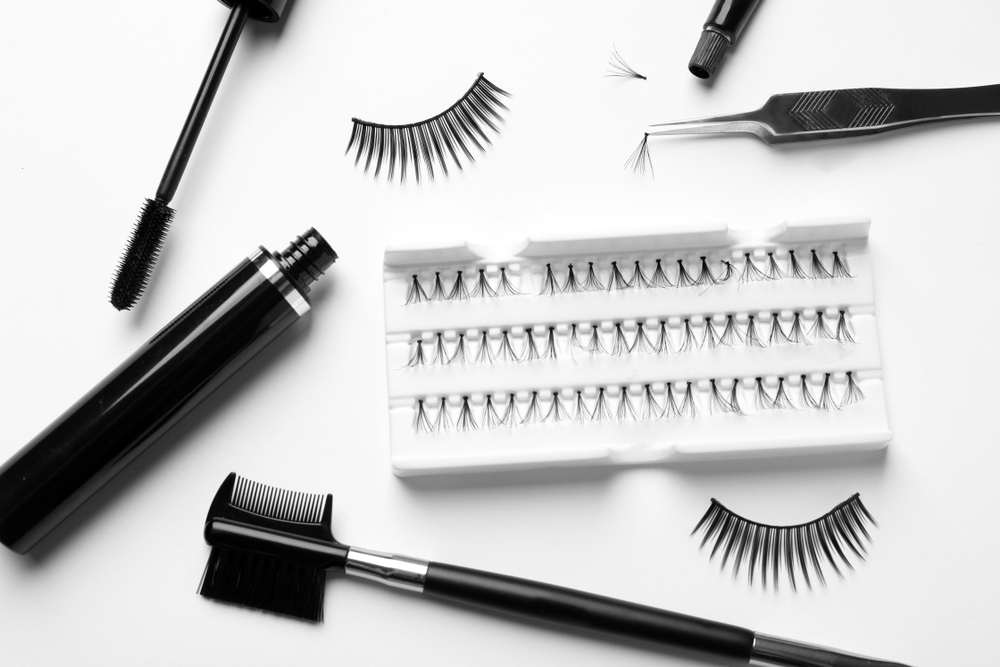
Professional lash fibres are sold in trays organised by length and curl. For classic work, you typically need lashes in three to four lengths (eight to fourteen millimetres) in two to three curl types. For volume work, you additionally need trays of the appropriate ultra-fine diameter (0.05mm and 0.07mm). Healthline notes that fibre quality directly affects client comfort and long-term lash health — another reason to invest in professional-grade materials from the outset rather than compromising on entry-level equivalents during your practice phase.
Quality in lash fibres manifests as consistent diameter, a smooth taper that sits naturally on the natural lash, and a uniform curl that does not distort during placement. Cheap lash fibres have inconsistent diameters within the same tray, produce finishes that look artificial on close inspection, and shed from the natural lash more quickly because the manufactured taper is inconsistent.
Under Eye Pads, Tape, and Primers
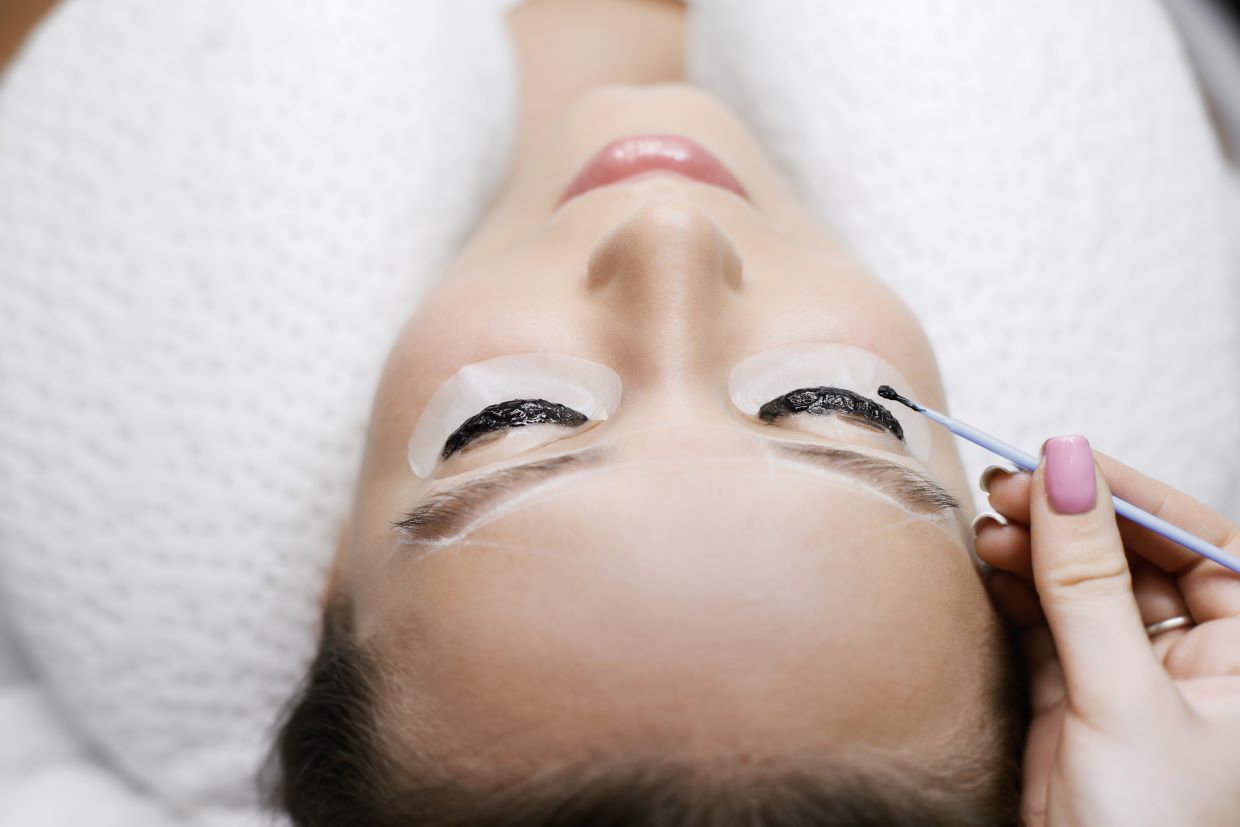
Under eye pads protect the lower lashes during application and prevent extensions from sticking to the lower lid. Micropore tape is used as an alternative for clients with pad sensitivity or specific eye shapes. Lash primer — applied to clean natural lashes before the application begins to remove oils and residue that reduce adhesion — is an essential consumable for consistent retention.
Working Environment Essentials
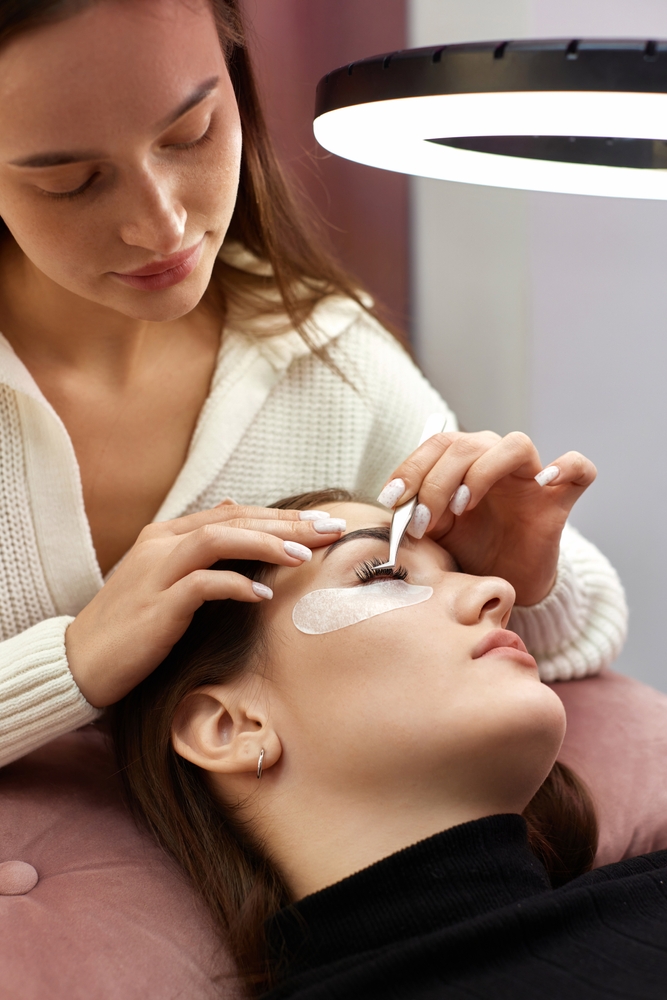
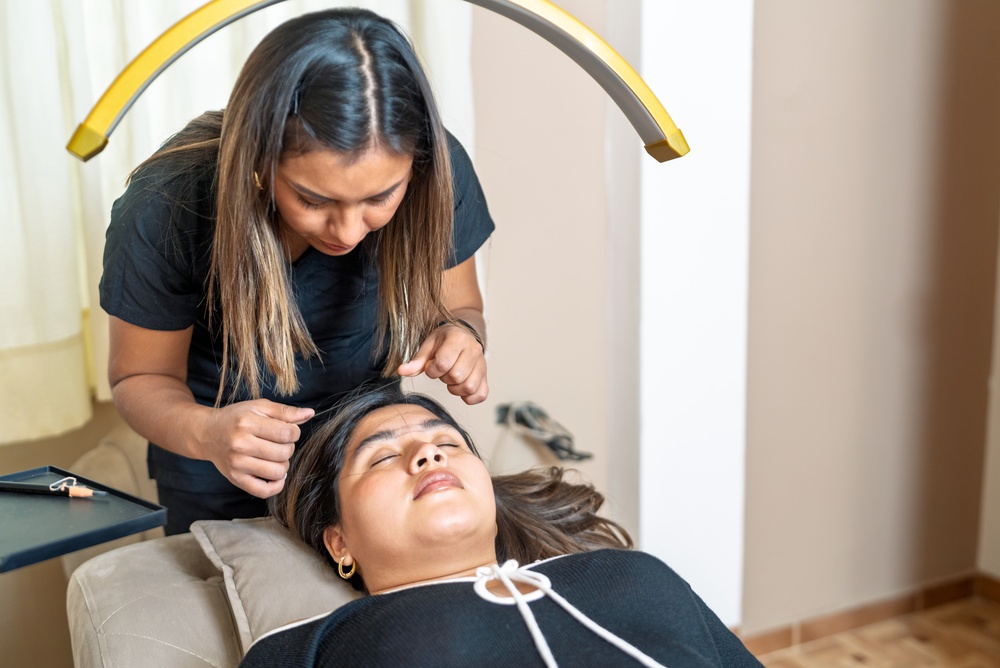
A professional lash working environment requires: a lash bed or reclining treatment chair that positions the client correctly for extended appointment durations; a ring light or professional lash lamp that provides shadowless illumination directly above the working area; a dedicated treatment trolley or surface for products; a hygrometer to monitor humidity (maintaining 40–60% relative humidity produces the most consistent adhesive performance); and adequate ventilation to manage adhesive fumes throughout the working day.
Total Starter Investment
A complete professional lash tech starter kit represents an initial investment of approximately £300 to £600 in the UK, excluding the treatment space itself. Courses that include a comprehensive professional kit as part of enrolment offset a meaningful portion of this cost and ensure the products you practise with during training are the same quality as those you will use in professional practice.
For guidance on setting up a lash business compliantly and profitably from the outset, the National Hair and Beauty Federation publishes practical guidance on starting a beauty business in the UK, including insurance requirements, premises registration, and pricing benchmarks.
According to Indeed UK, lash technicians who establish professionally equipped home studios from the outset consistently command premium pricing — the initial investment in correct equipment signals quality and supports the rates that skilled lash work warrants.
Our Eyelash Technician Bundle includes a professional starter kit as part of the course, covering the key materials you need to begin your practice. For guidance on troubleshooting common issues, our article on fixing lash extension problems and improving retention is recommended reading. All lash training options are available on our eyelash courses page.