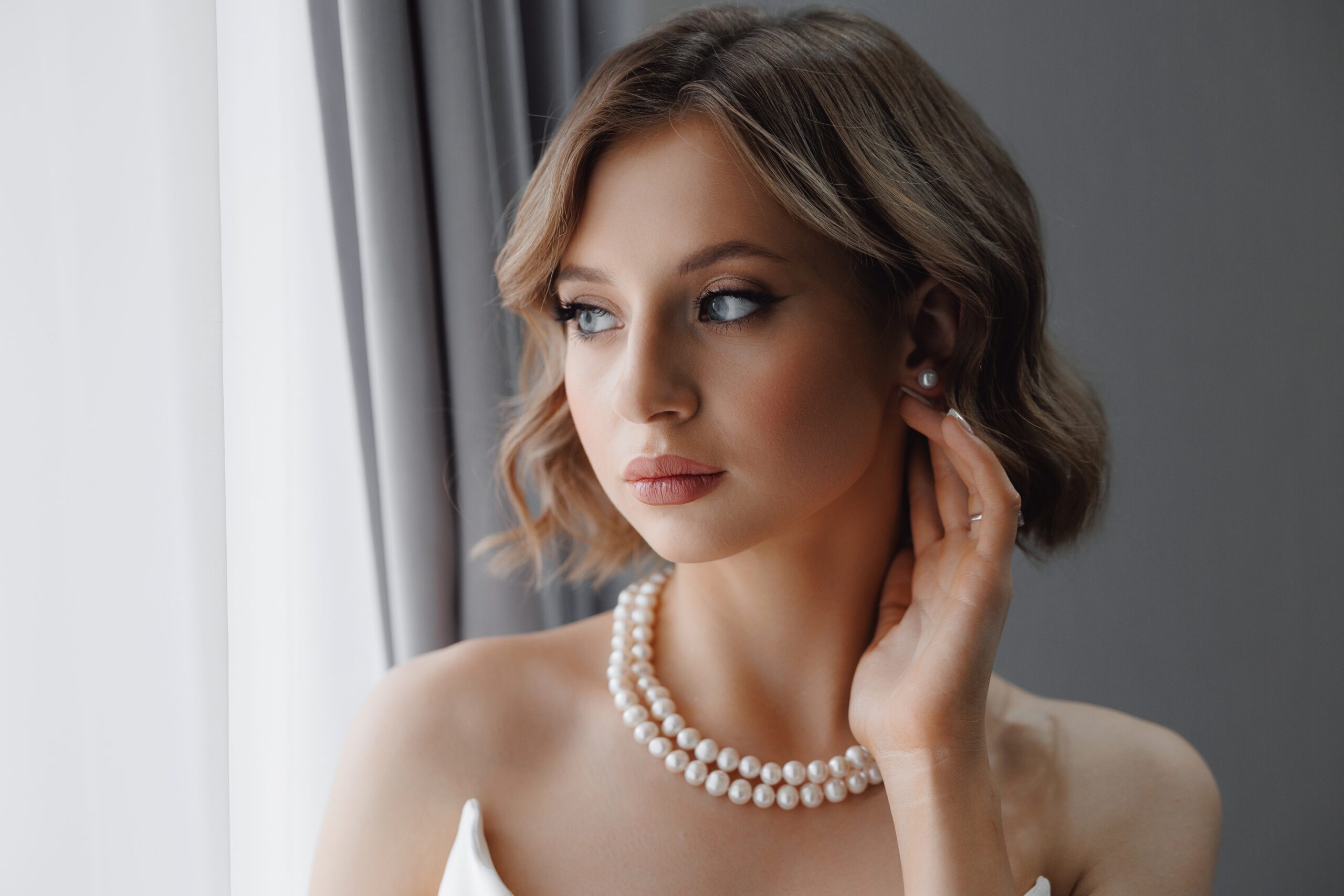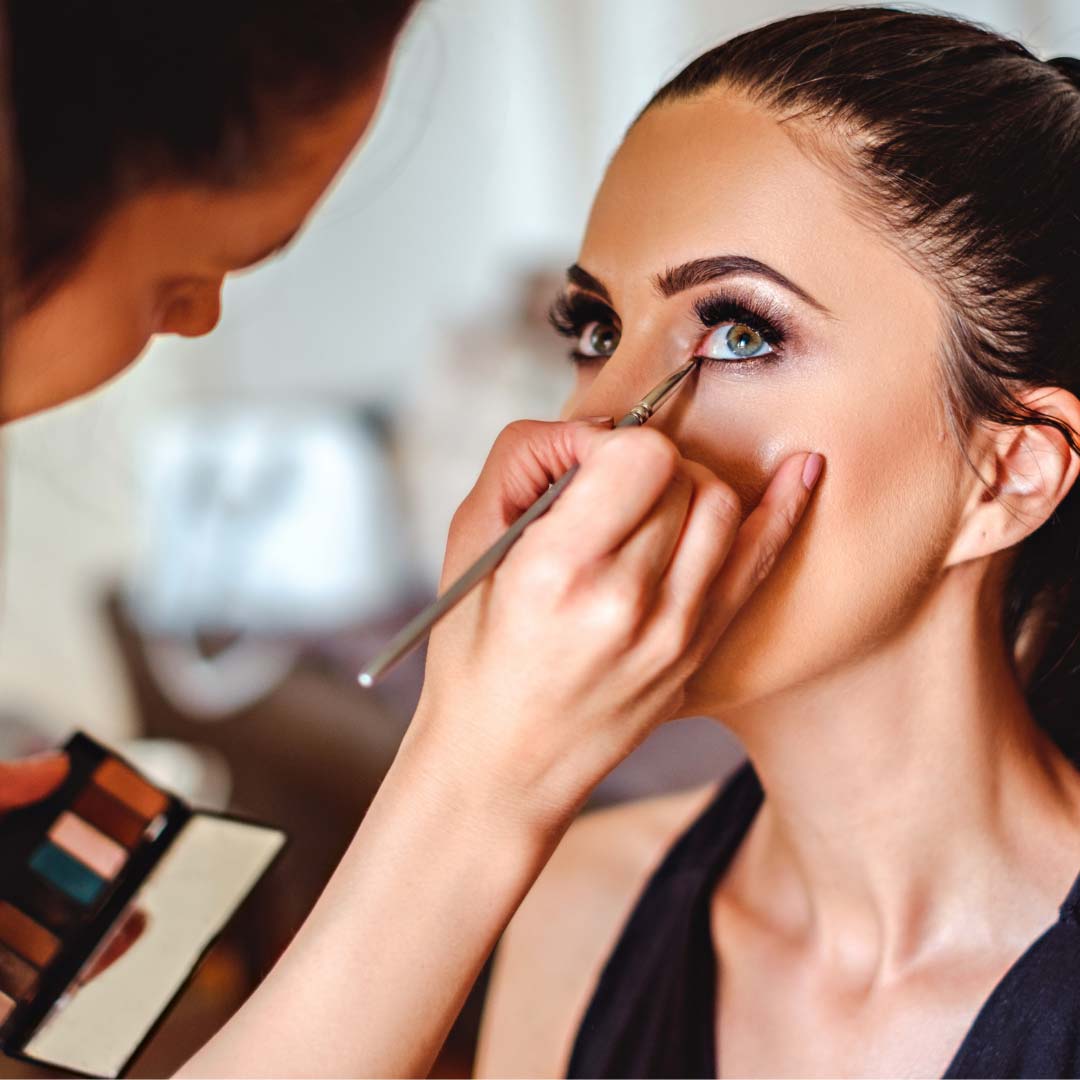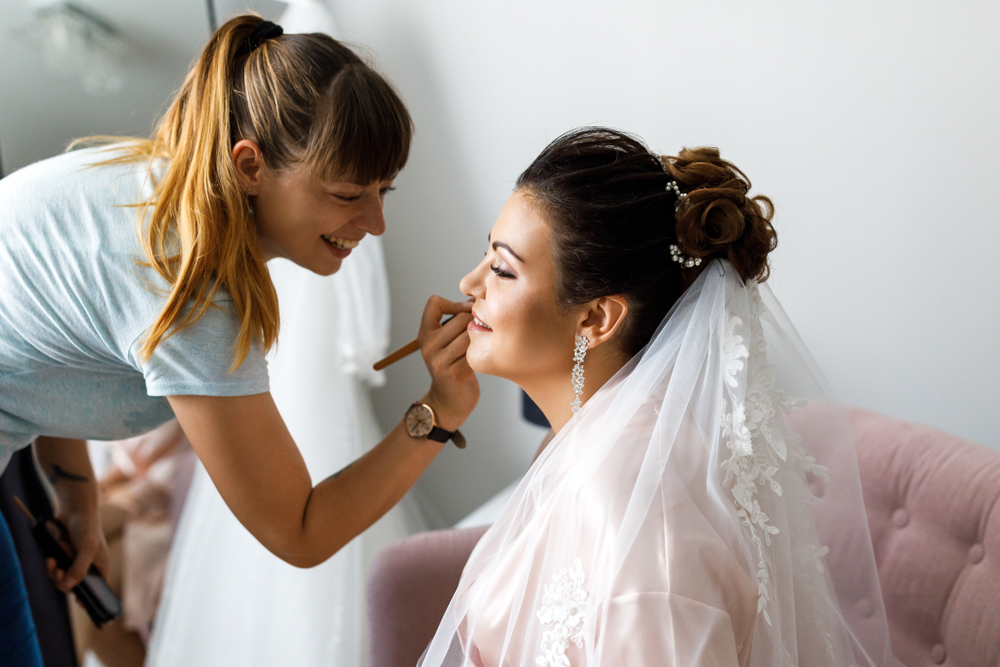
Professional makeup artistry is one of the most diverse and creatively fulfilling career paths in the UK beauty industry. Bridal, fashion, editorial, film and television, personal glam, and special effects makeup are all distinct specialisations within the broader makeup artist market — each with its own client base, required skills, and income model. For anyone with a natural creative eye and a genuine interest in transformative beauty work, a professional makeup artist course is the starting point for a career that can take many directions.
This guide covers what a professional makeup artist course in the UK should teach, how to evaluate training quality, how long qualification takes, what different career paths look like in the British market, and what you can earn as a qualified UK makeup artist.
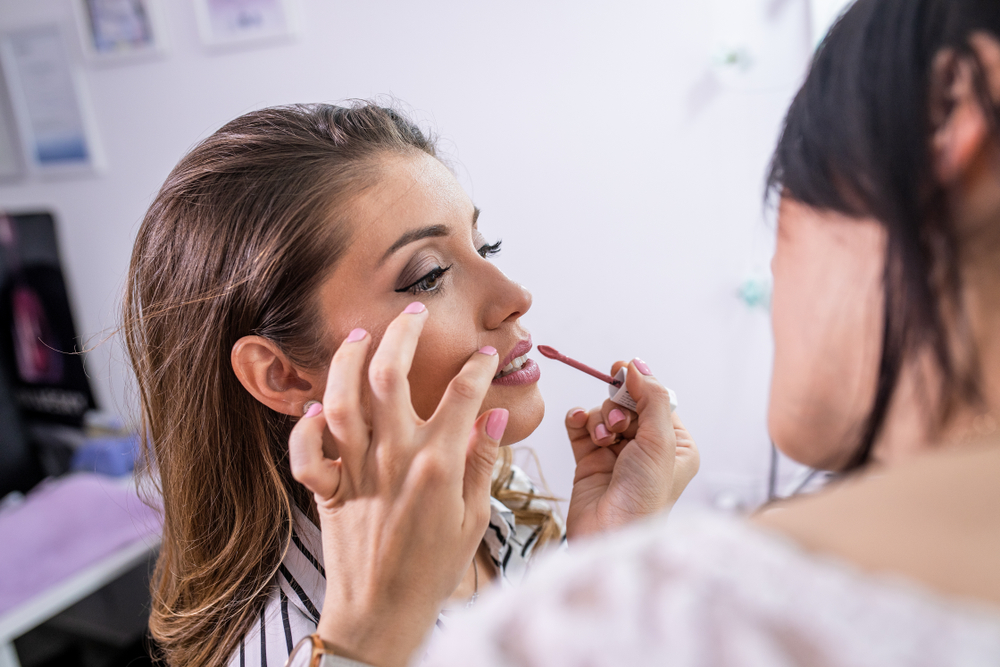
What Does a Professional Makeup Artist Course Cover?
A comprehensive makeup artist course in the UK is built on a foundation of skin science and colour theory before developing the practical techniques across multiple makeup styles and client types.
Skin anatomy and skin typing are foundational. Understanding the structure of the skin — the epidermis, dermis, and their relevant sub-layers — how different skin types respond to product application, and how to assess and prepare the skin for makeup are non-negotiable professional competencies. In the UK’s diverse urban markets especially, the ability to work confidently across the full spectrum of skin tones, types, and conditions is both a professional expectation and a significant competitive advantage.
Colour theory is the intellectual backbone of makeup artistry. Understanding warm and cool undertones, how to colour-correct specific concerns, how to select foundation shades for every skin tone, and how colour relationships work in contouring, highlighting, and eye shadow application requires dedicated study. This is not simply intuitive creative knowledge — it is a systematic understanding of colour mechanics that makes the difference between reliable and inconsistent results.
Classic makeup techniques include natural everyday looks, smoky eye construction, evening and event makeup, and the specific demands of bridal application — where longevity, photography performance, and client comfort across an eight-to-ten-hour day are the primary technical requirements. According to Allure, the technical range a professional makeup artist must command extends far beyond any single style — versatility across looks and skin types is the characteristic that distinguishes a working professional from a specialist who can only execute one aesthetic.
Specialist techniques including editorial and high-fashion application, airbrush foundation, and special effects fundamentals give students exposure to the advanced technical landscape beyond foundational work, even if full mastery of each requires additional training.
Business and portfolio development content covers pricing strategy, client consultation and contract management, portfolio photography and social media marketing, and how to navigate the specific business models available to UK makeup artists — freelance, mobile, studio-based, or employed. The National Hair and Beauty Federation provides guidance on business setup, pricing benchmarks, and the professional standards that apply to UK makeup artists operating as sole traders or small businesses.
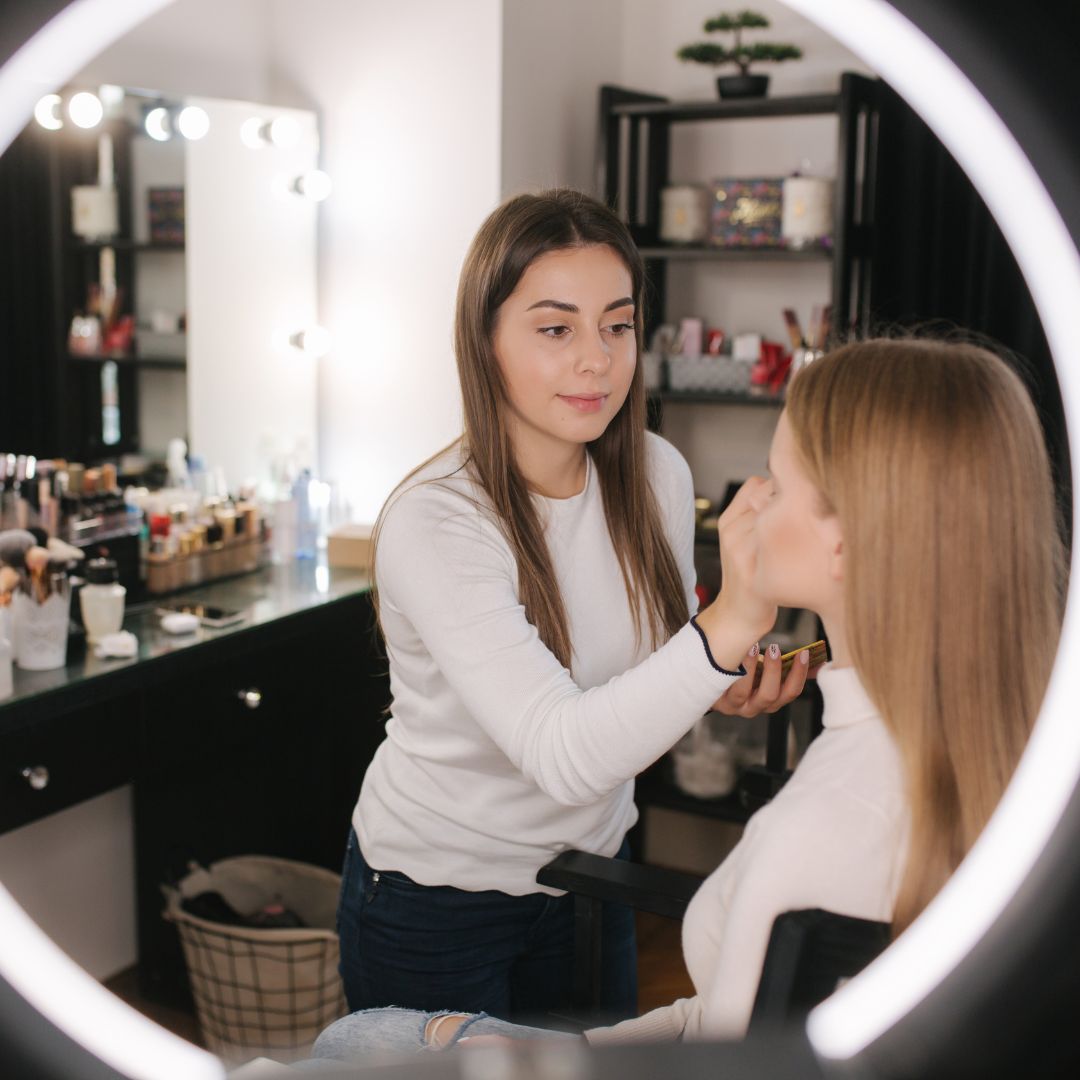
Online vs In-Person Makeup Training in the UK
In-person makeup courses at UK academies offer live instruction and immediate feedback on technique. Online makeup artist courses offer flexibility, comprehensive kit inclusion, and cost-effectiveness. Vogue UK regularly features the work of UK makeup artists who built their careers through online training — the format has become entirely mainstream and its graduates are working at the highest levels of the UK beauty and fashion industries.
Choose an online program with experienced practitioner feedback on assessments, a comprehensive professional kit, and a certification accepted by UK professional makeup artist associations and insurance providers.
What Can You Earn as a UK Makeup Artist?
Makeup artist earnings in the UK vary enormously by specialisation, experience, and market. Personal glam and event makeup artists in UK regional markets typically earn £150 to £350 per client day in the early career phase, with established practitioners at £250 to £500 or above. Bridal makeup in major UK cities commands £250 to £500 for the bride alone, with bridal party add-ons at £80 to £150 per person.
Fashion and editorial day rates for established UK makeup artists range from £350 to £800 per shoot day. Film and television rates through IATSE-affiliated productions are governed by agreed rate cards and are among the strongest in the broader beauty sector.
According to Indeed UK, makeup artist earnings in the UK show a wide range, with the most significant differentiators being specialisation, market, and whether the artist is employed or operating as a freelance professional.
Our Certificate in Professional Makeup Artistry provides the comprehensive foundational training for a UK makeup career. Our guide on how to become a certified makeup artist in the UK covers the certification landscape. All makeup training is on our makeup courses page.