Spray tanning is one of the most profitable services in the UK beauty industry relative to training investment. The course is among the shorter beauty qualifications available, the equipment cost is manageable, the product cost per treatment is low, and client demand is strong and year-round. British clients have a longstanding cultural preference for safe tanning alternatives — the annual health messaging around UV exposure has driven consistent demand for professional spray tan services for over two decades, and that demand shows no sign of declining.
For practitioners looking to build a quick-start beauty income or add a high-margin service to an existing menu, spray tanning is a compelling option. This guide covers what a professional spray tan course teaches, how online training works for this service, what equipment you need, the UK-specific regulatory context, and what you can realistically earn as a qualified spray tan technician.
What Does a Professional Spray Tan Course Cover?
A professional spray tan course in the UK covers the chemistry, technique, health and safety, and business skills needed to apply tans professionally and safely from the first day of practice.
The science of spray tanning begins with dihydroxyacetone (DHA) — the active ingredient in all professional tanning solutions. DHA is a sugar-derived compound that reacts with amino acids in the outer layer of the skin (the stratum corneum) to produce a browning effect that mimics the appearance of a natural tan. The reaction develops progressively over six to twelve hours, reaching full depth at the twenty-four-hour mark. Understanding how DHA works, what factors affect colour development (skin pH, preparation, product percentage, and development time), and how to adjust application technique for different skin types and desired results is core professional knowledge.
Solution formulation knowledge covers the range of professional tanning products: DHA percentage (typically six to twelve per cent, with higher concentrations producing deeper results), bronzer content (immediate colour for a visual guide during application), and the additional conditioning and fragrance ingredients that affect the client experience. Understanding when to use different solutions — a lighter, lower-DHA formula for fair-skinned clients, a higher-percentage product for clients seeking a dramatic colour, and rapid-development formulas for clients who prefer to shower sooner — gives you the professional flexibility that distinguishes a specialist from a technician who only knows one product.
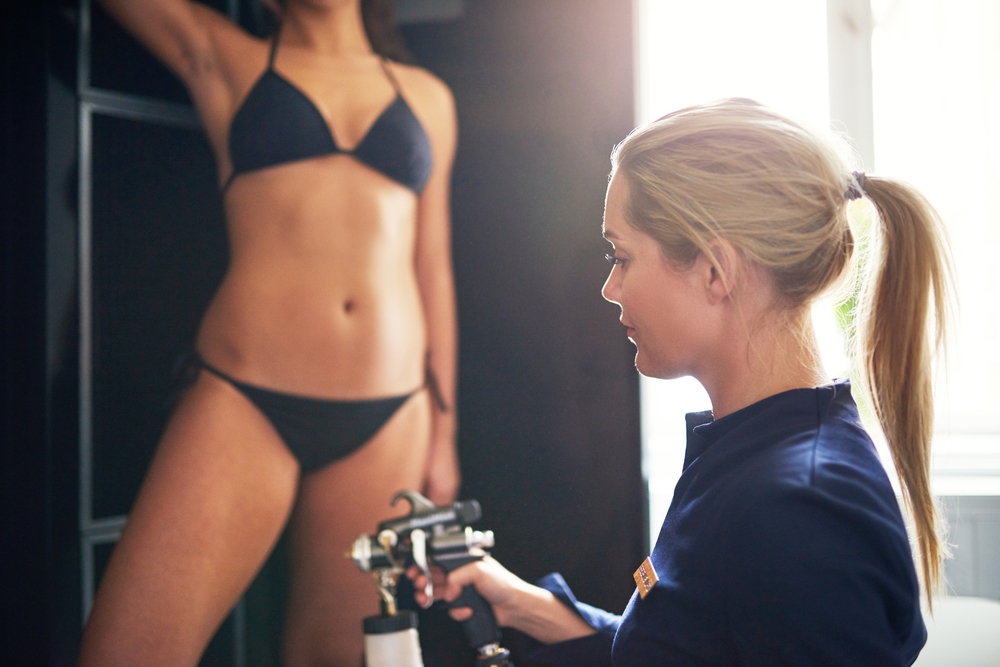
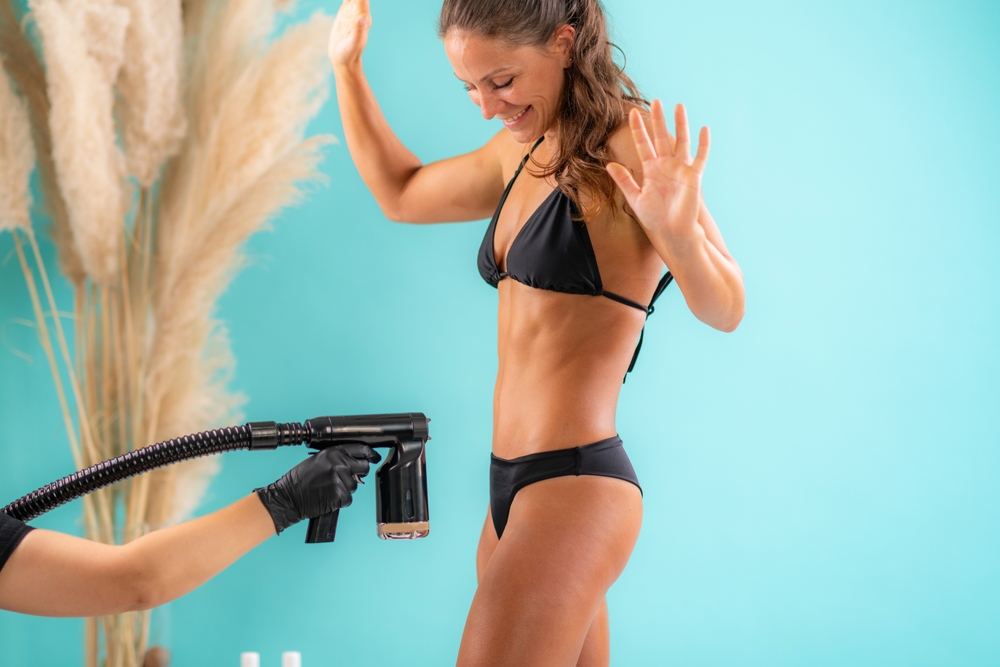
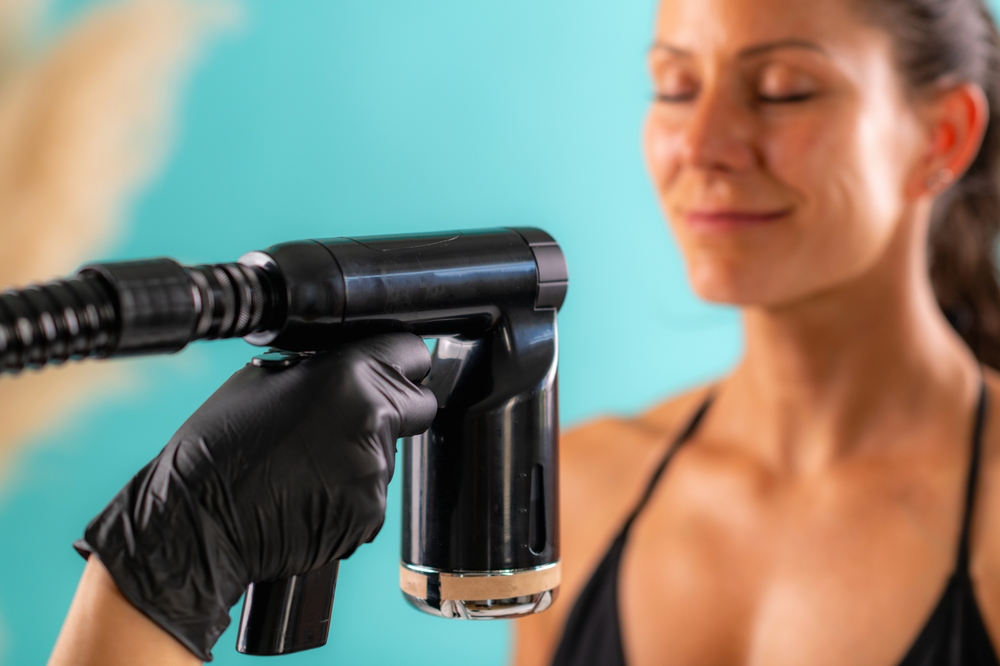
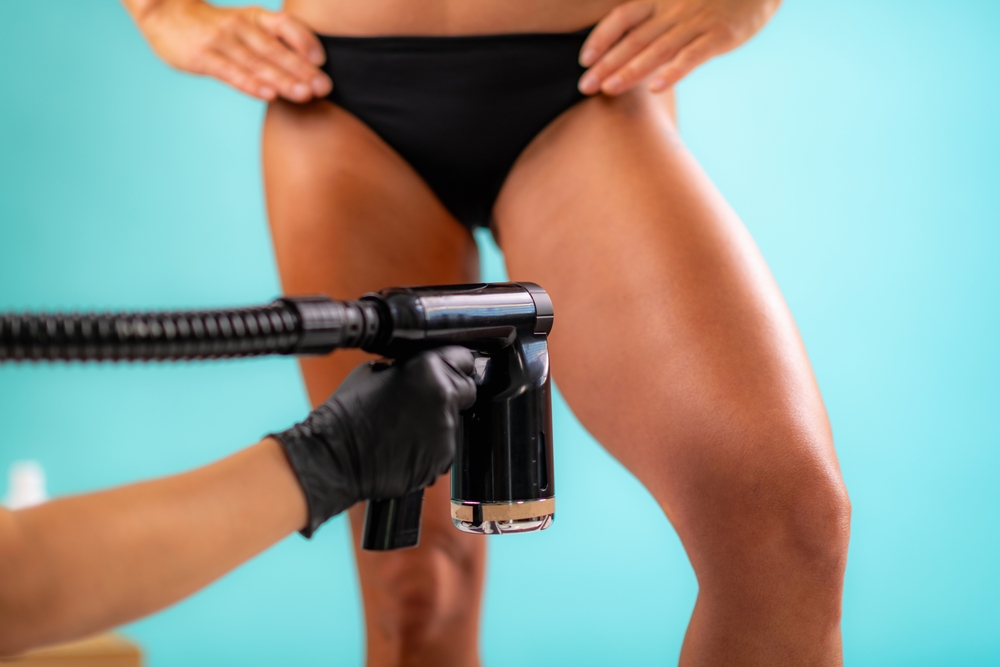
Equipment operation is a significant practical component. Professional HVLP (High Volume Low Pressure) spray tan machines produce a fine, even mist that applies solution consistently without over-spray or uneven saturation. You will learn how to set up and calibrate your machine, the correct gun distance and angle for different body areas, how to adjust pressure and output for different solution viscosities, and how to clean and maintain your equipment correctly. Equipment that is not maintained properly produces inconsistent results.
Application technique is taught in step-by-step detail: client consultation and preparation advice (exfoliation, moisturiser removal, hair removal timing), the positioning sequence that ensures even coverage across all body areas, barrier product application to the hands, feet, hairline, and nails to prevent over-staining, body contouring techniques that use lighter and darker application to create the appearance of a slimmer silhouette, and finishing protocol including the removal of any excess product from joints and dry skin areas.
Client consultation skills are essential for professional outcomes. Assessing a client’s natural skin tone, understanding their desired colour depth, managing expectations around development and duration, and advising on preparation that maximises result quality all require professional communication skills that are developed alongside technique. Many unsatisfied spray tan clients are the result of poor consultation rather than poor application.
Health and safety covers DHA chemistry and the measures needed to prevent client inhalation and eye contact during application; ventilation requirements for the treatment environment; skin sensitivity and contra-indications including pregnancy (where medical advice should be sought), eczema, and psoriasis; and correct handling and storage of tanning solutions. Aftercare advice — what clients should wear immediately after their session, when to shower, how to maintain their tan, and how to prolong the result — is covered both as professional knowledge and as the client communication script you will deliver at the end of every treatment.
Rapid Tan Development and Express Formulas
Rapid development tanning solutions have become a significant part of the UK spray tan market. These products use modified DHA formulations that allow clients to shower in as little as one to four hours rather than the standard eight to twelve, with the final colour depth determined by the development time left before showering.
Understanding rapid formulas — how to advise clients on development timing for different colour depths, the slightly different preparation and aftercare requirements, and the client profiles for whom a rapid tan is the better choice — is an important addition to professional knowledge that increases your service flexibility and client appeal.
Mobile Spray Tan: A Popular Business Model in the UK
Mobile spray tanning — attending clients at home for their treatment — has become one of the most popular operating models for independent spray tan technicians across the UK. The setup requires only a portable machine, a spray tan tent for mess containment, a UV lamp or portable lighting, client disposables, and your solution range. The equipment fits in a standard wheeled carry-on bag or small suitcase.
Mobile spray tanning generates additional income from travel charges (typically £5 to £20 depending on distance) and removes the overhead cost of a fixed premises. It also provides a client experience — professional treatment delivered in the comfort of their own home — that many clients strongly prefer, particularly for pre-event tanning where they do not want to travel after their session.
Group bookings are particularly lucrative for mobile spray tan technicians. A hen party, wedding party, or prom group booking of six to ten clients can generate £240 to £600 or more in a single evening visit. Building relationships with wedding venues, bridal shops, and event planners creates a consistent pipeline of group bookings that can fill significant periods of the calendar in advance.
How Long Does a Spray Tan Course Take?
A professional spray tan course in the UK is one of the shorter beauty qualifications available — most students can complete the theoretical and practical components within two to four weeks of consistent study. The theoretical content covers DHA chemistry, skin preparation, health and safety, and business practice; the practical component requires practice sessions on volunteer clients to develop consistent application technique before assessment submission.
Spray tan application technique develops quickly with focused practice. The key skills — correct gun distance, movement speed, and body position sequencing — are teachable in a relatively short time compared to the complex manual dexterity required for nail extensions or lash work. Most students are ready to take their first paying clients within a few weeks of completing their assessment.
What Can You Earn as a Spray Tan Technician in the UK?
Spray tan services are priced at £20 to £50 in most UK markets, with mobile technicians at the higher end of this range and high-demand periods (pre-summer, bridal season, and Christmas) consistently at or above £40 per treatment. The treatment takes twenty to thirty minutes, giving the spray tan service one of the most favourable revenue-to-time ratios in beauty.
A spray tan technician booking eight to ten clients per day at standard market rates generates £180 to £400 in daily revenue. During peak periods — the weeks before bank holidays, school proms, and peak bridal season from May to September — demand consistently exceeds available appointments for established UK spray tan specialists. According to Indeed UK, beauty therapists with specialist skills including spray tanning in high-demand urban markets earn above the general therapist median, particularly those who are fully self-employed.
Annual earnings for a full-time self-employed spray tan technician in the UK range from £20,000 to £45,000 depending on location, pricing, and appointment volume. Technicians who combine spray tanning with complementary services — lash lift, brow treatments, or nail services — maximise their income by offering combined appointment options that increase booking frequency and average appointment value.
UK Regulatory Context for Spray Tanning
Spray tanning using DHA solutions does not require a licence in England and Wales in the same way that some skin-piercing treatments do. However, home-based and mobile spray tan practitioners should check with their local council regarding any registration requirements for beauty services provided from residential premises.
Professional liability insurance is essential. Ensure your chosen insurer accepts your specific qualification and covers both home studio and mobile treatment delivery if you plan to offer both formats. Most reputable beauty insurance providers in the UK accept qualifications from recognised online training providers, but confirming this before enrolling in a course is sensible practice.
Our Certificate in Spray Tanning covers every aspect of professional spray tan application, from DHA chemistry to mobile business setup. For an in-depth look at the career and earnings side, our guide on spray tan technician salary and earnings in the UK provides detailed market data. Client aftercare is covered fully in our article on spray tan aftercare: your complete client guide.