Brow henna has become one of the most sought-after specialist brow treatments in the UK, and for good reason. Standard brow tinting colours the brow hairs. Henna brow tinting colours both the hairs and the skin beneath the brows, creating a stain that lasts up to two weeks on the skin — significantly extending the between-appointment definition and reducing daily brow makeup needs. For clients with sparse or patchy brows, henna tinting can be genuinely transformative.
For beauty practitioners, henna brow training adds a premium service with strong client appeal and a meaningful pricing advantage over standard tinting. This guide covers what a professional henna brow course teaches, how it differs from standard tint training, how long qualification takes, and what you can earn as a henna brow specialist in the UK.
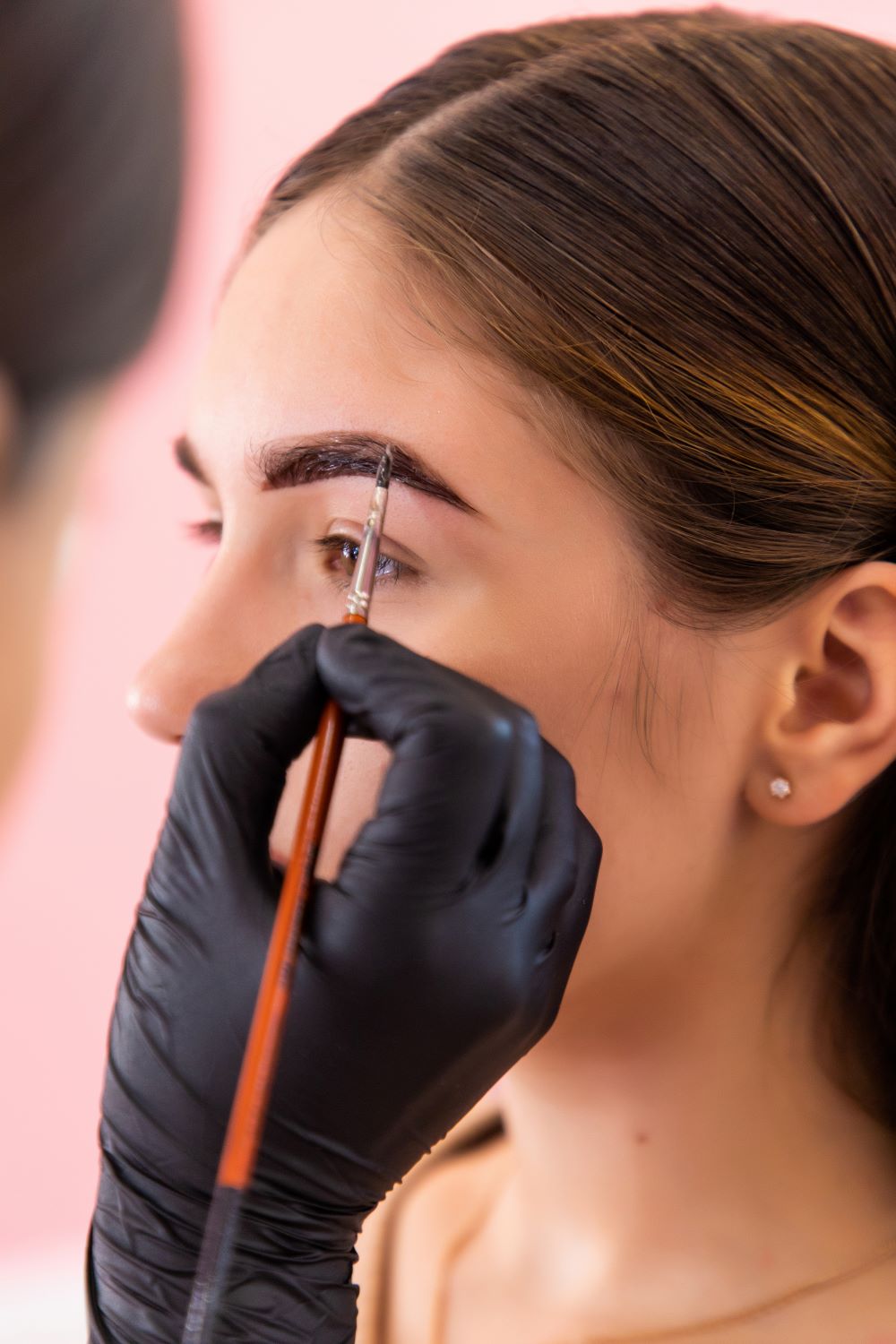
Henna Brows vs Standard Brow Tint: What Is the Difference?
Standard brow tint uses an oxidative semi-permanent dye — the same chemistry as hair dye — to colour the brow hairs. The colour typically lasts three to five weeks on the hair before fading with washing. The dye colours the hair shaft only; any temporary skin staining fades within a few days.
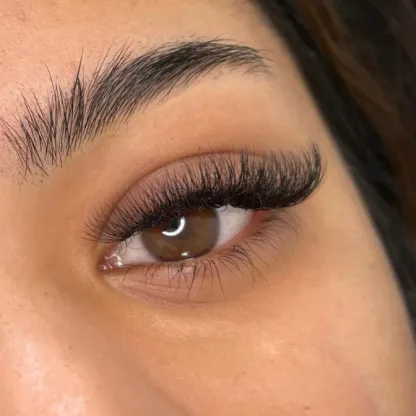
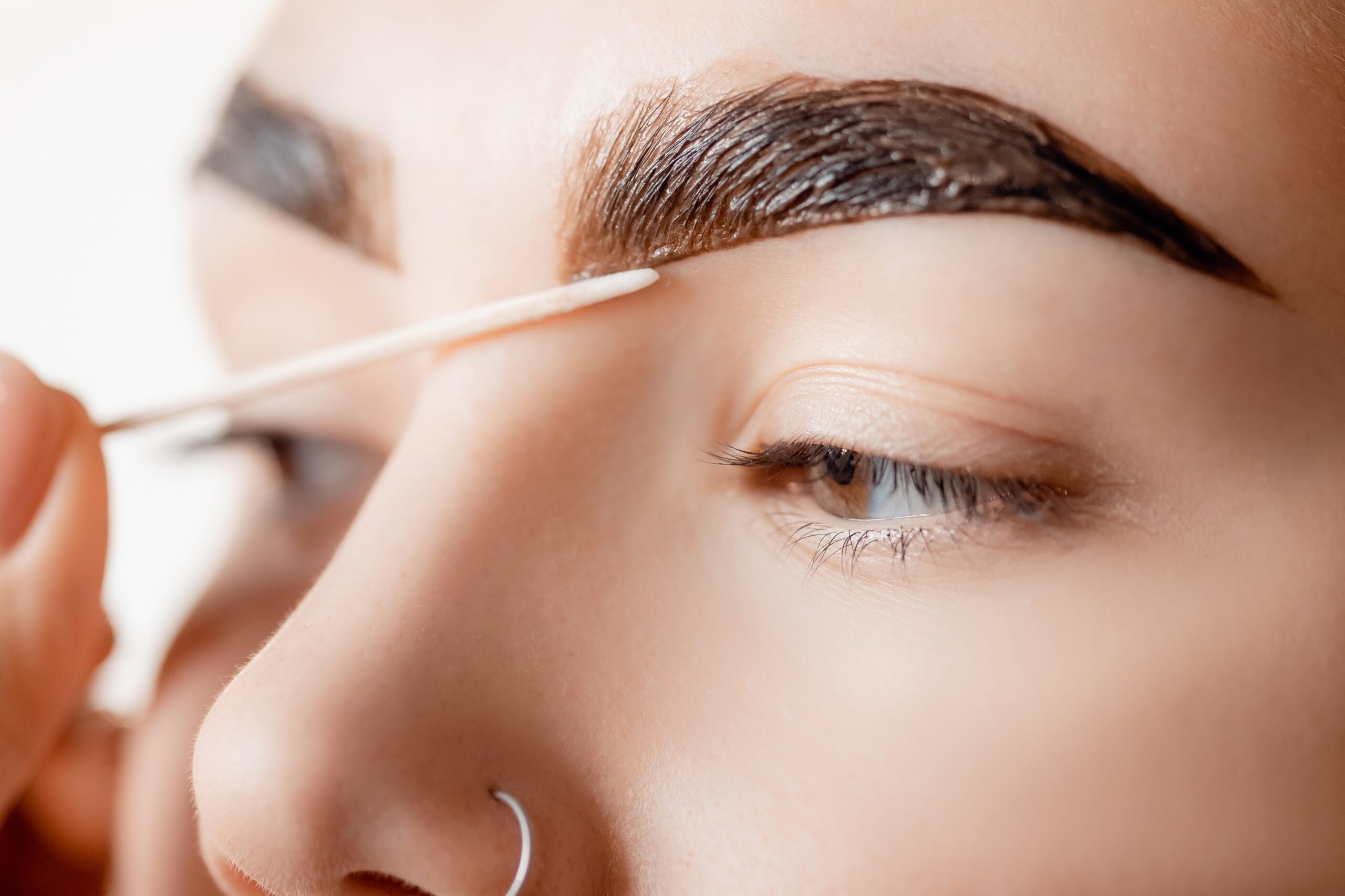
Henna brow tint uses a henna-based pigment — derived from the Lawsonia inermis plant — that stains both the brow hairs and the skin beneath the brows. The skin stain lasts approximately one to two weeks, while the hair colour lasts four to six weeks. The combined effect creates a fuller, more defined brow appearance that persists significantly longer than standard tint alone. Healthline provides a clinically reviewed overview of henna brows including safety considerations, longevity expectations, and aftercare — practitioners who are familiar with this content can address client questions with genuine authority during consultation.
The practical implication for clients is that henna brows effectively give them the appearance of filled-in brows without daily makeup application for one to two weeks after each treatment. For clients with gaps or sparse patches in their brow hair, this is a genuinely significant quality of life improvement. For practitioners, the extended result and the premium experience justify a price point that is meaningfully above standard tinting.
What Does a Henna Brow Course Cover?
Brow anatomy and hair growth science are covered at the level appropriate for understanding the henna tinting process — including the porosity variation between hair shaft and skin that affects how each surface takes and holds the henna pigment.
Henna chemistry is one of the most important areas in henna brow training. Henna pigment behaves differently from oxidative dye in several ways: it does not require a developer, the colour develops through oxidation on contact with air and light, the depth of colour is affected by the application layer thickness and development time, and the pigment has a warm, red-brown tonal characteristic that affects shade selection for different hair colours and skin tones. Understanding henna chemistry allows you to predict and control results rather than simply hoping they turn out as intended.
Colour mixing and shade matching for henna is a distinct skill from standard tint matching. Henna products are available in a range of pre-mixed shades, but creating the precise warm, cool, or neutral tone that each client needs often requires mixing. You will learn the colour theory specific to henna pigments — including how to neutralise the inherent warmth of henna for clients with cool-toned colouring — and the mixing ratios for different shade combinations.
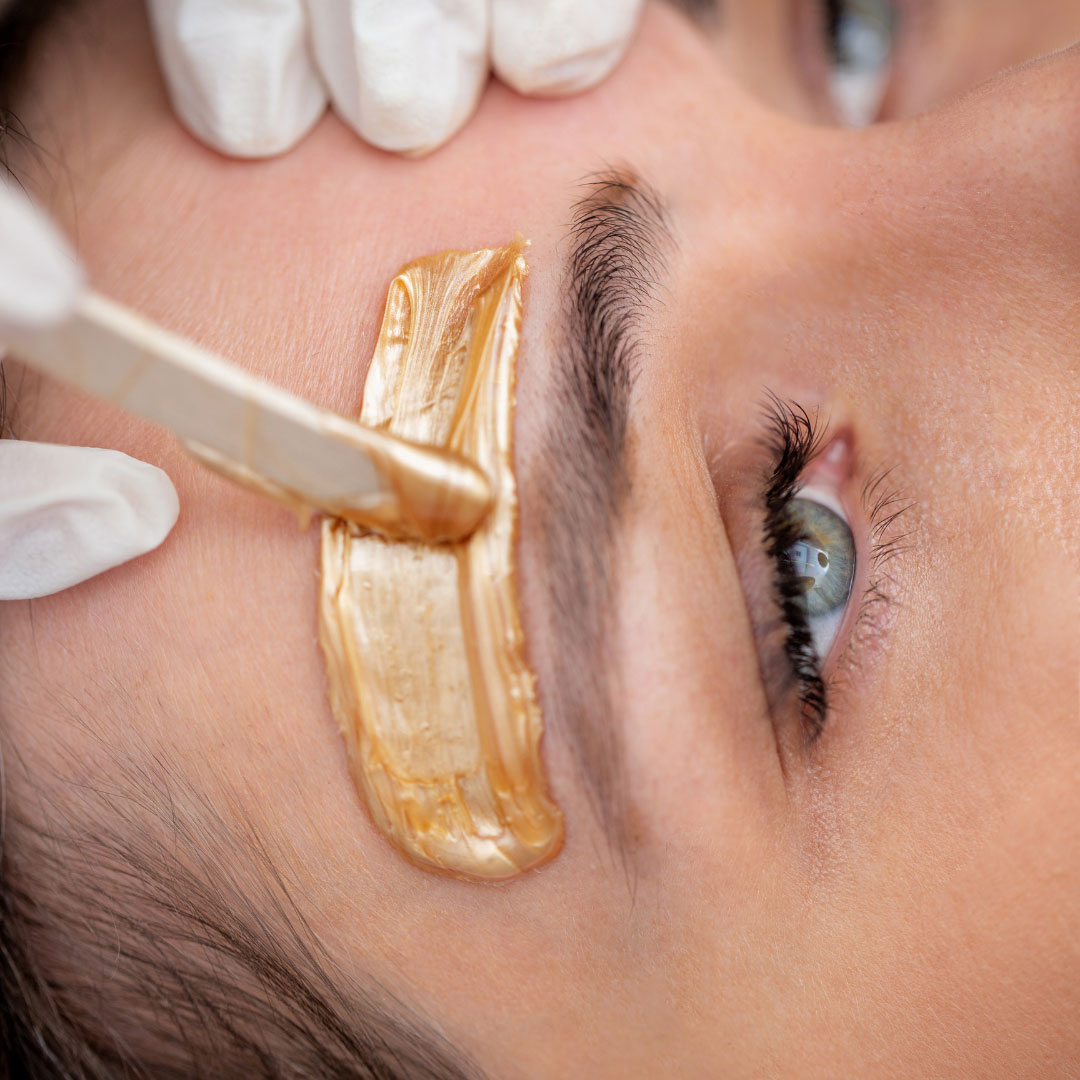
Application technique covers the full treatment protocol: skin preparation and oil removal, brow mapping and shape assessment, henna application to both the hairs and the skin in the desired brow shape, development monitoring, removal, and the finishing steps. Achieving a clean, sharp edge to the skin stain — which defines the precision of the henna brow design — is a key practical skill that requires a steady hand and practice.
Patch testing and safety protocols are covered in depth. Henna products contain natural and sometimes synthetic pigment additives that can cause allergic reactions. The mandatory patch test requirement — a minimum of 48 hours before the first henna brow treatment for every client — is not negotiable, and managing the rare occurrence of an adverse reaction is part of the professional knowledge covered in the course.
How Long Does a Henna Brow Course Take?
Most online henna brow courses in the UK can be completed in two to four weeks of consistent study. Students who already hold a standard brow tinting qualification will typically progress faster, as the foundational anatomy and safety content can be reviewed rather than studied from scratch. The key additional learning for experienced tinters is the henna-specific chemistry, colour mixing technique, and the slightly different application protocol for achieving a clean skin stain.
What Can You Earn as a Henna Brow Specialist?
Henna brow treatments are priced at £30 to £60 in most UK markets — a premium of £10 to £25 above standard brow tint pricing, reflecting the extended result, the specialist technique, and the higher product cost of henna versus oxidative dye. Combined henna brow and waxing or lamination appointments generate strong per-booking revenue and attract clients who are willing to invest in quality brow services.
Henna brows are among the most visually distinctive before-and-after treatments available, making them exceptionally shareable on social media. According to Allure, henna brow tinting has seen significant growth in popularity across English-speaking markets due to its natural origins and the dramatic skin-staining effect that standard tints cannot replicate.
According to Indeed UK, specialist brow practitioners who offer premium services such as henna brow tinting earn consistently above the general beauty therapist median — reflecting the dual premium of specialist skill and higher product pricing that henna work commands.
For context on how henna brows are positioned in the broader brow treatment landscape, Vogue UK covers the full range of professional brow treatments — understanding where henna sits relative to lamination and standard tinting helps you position and market the service effectively.
Our Certificate in Eyebrow Henna covers all aspects of professional henna brow application, from chemistry and colour theory to business and pricing. Our guide on brow tinting for blondes: achieving a natural look provides useful context on the colour considerations specific to fair-haired clients. All brow training is on our brow courses page.