Facial and skincare therapy is one of the most intellectually engaging and client-rewarding specialisations in the UK beauty industry. Facialists who develop genuine clinical expertise — understanding the science of skin, assessing conditions accurately, and selecting treatments that deliver measurable improvement — build the kind of loyal, long-term client relationships that provide financial stability and professional satisfaction in equal measure. The growing consumer focus on evidence-based skincare makes this one of the most promising career directions in UK beauty for practitioners who are prepared to invest in serious training.
This guide walks you through every step of becoming a professional facialist in the UK — from training and certification to building your first client base and growing a sustainable skincare practice.
Step 1: Understand What a Professional Facialist Does
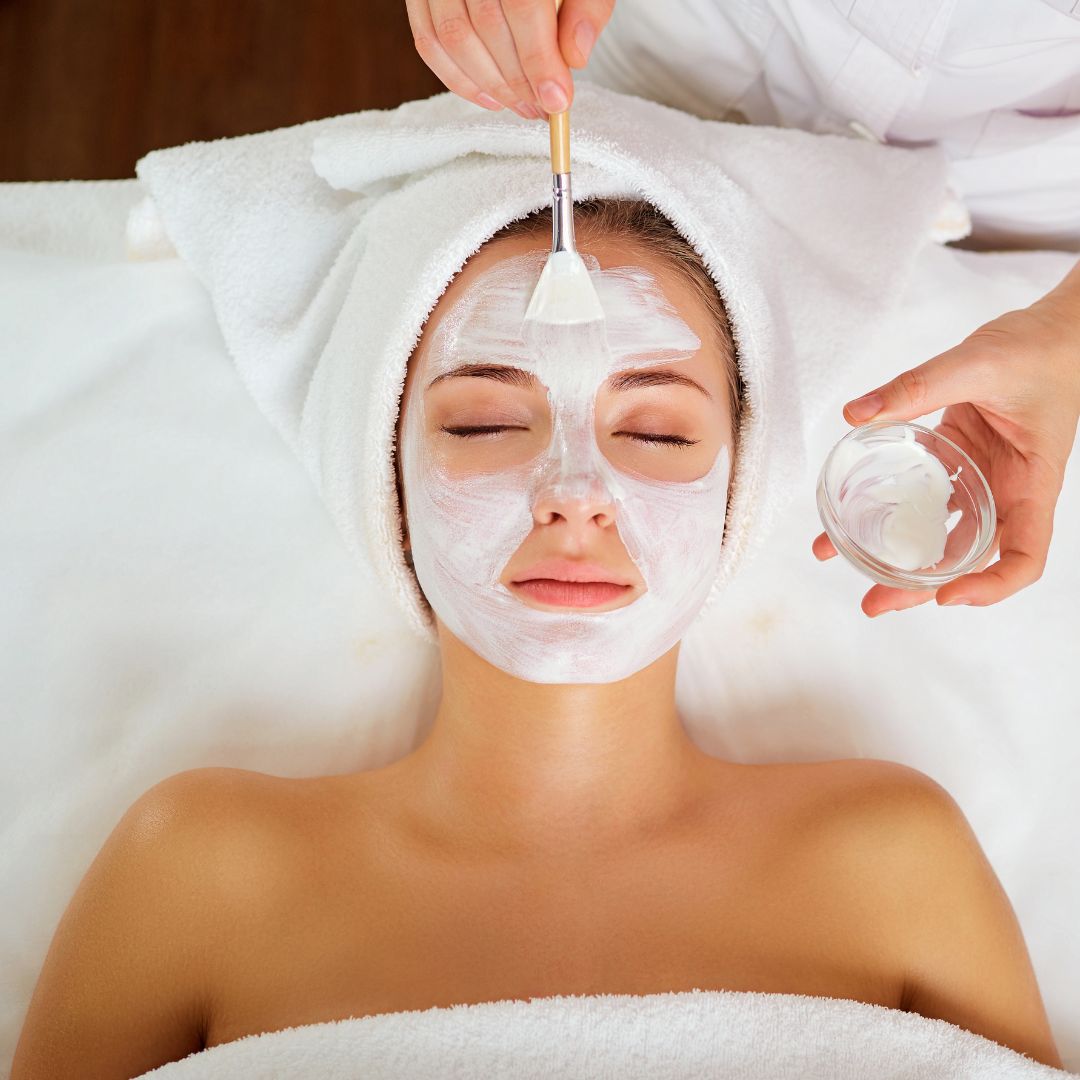
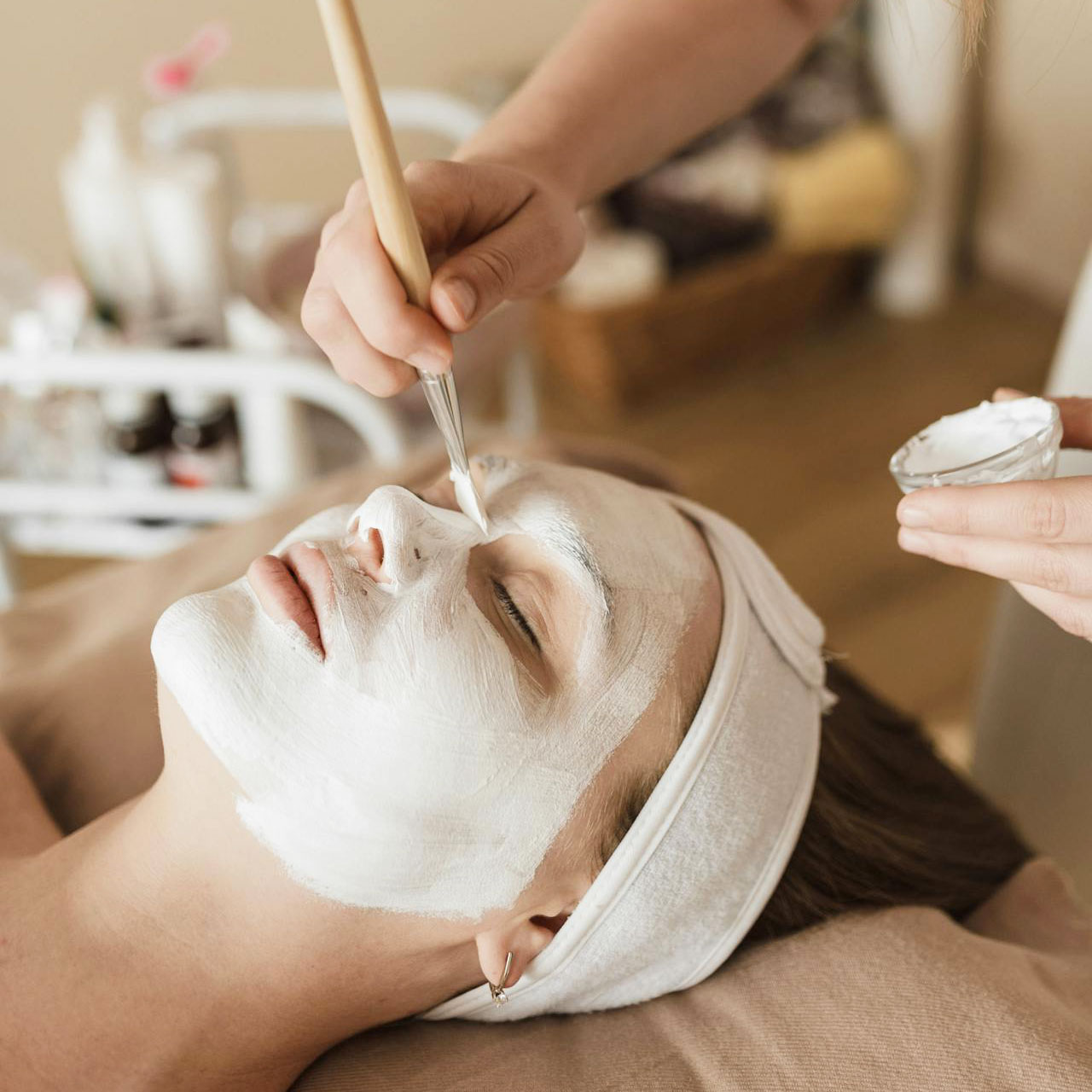
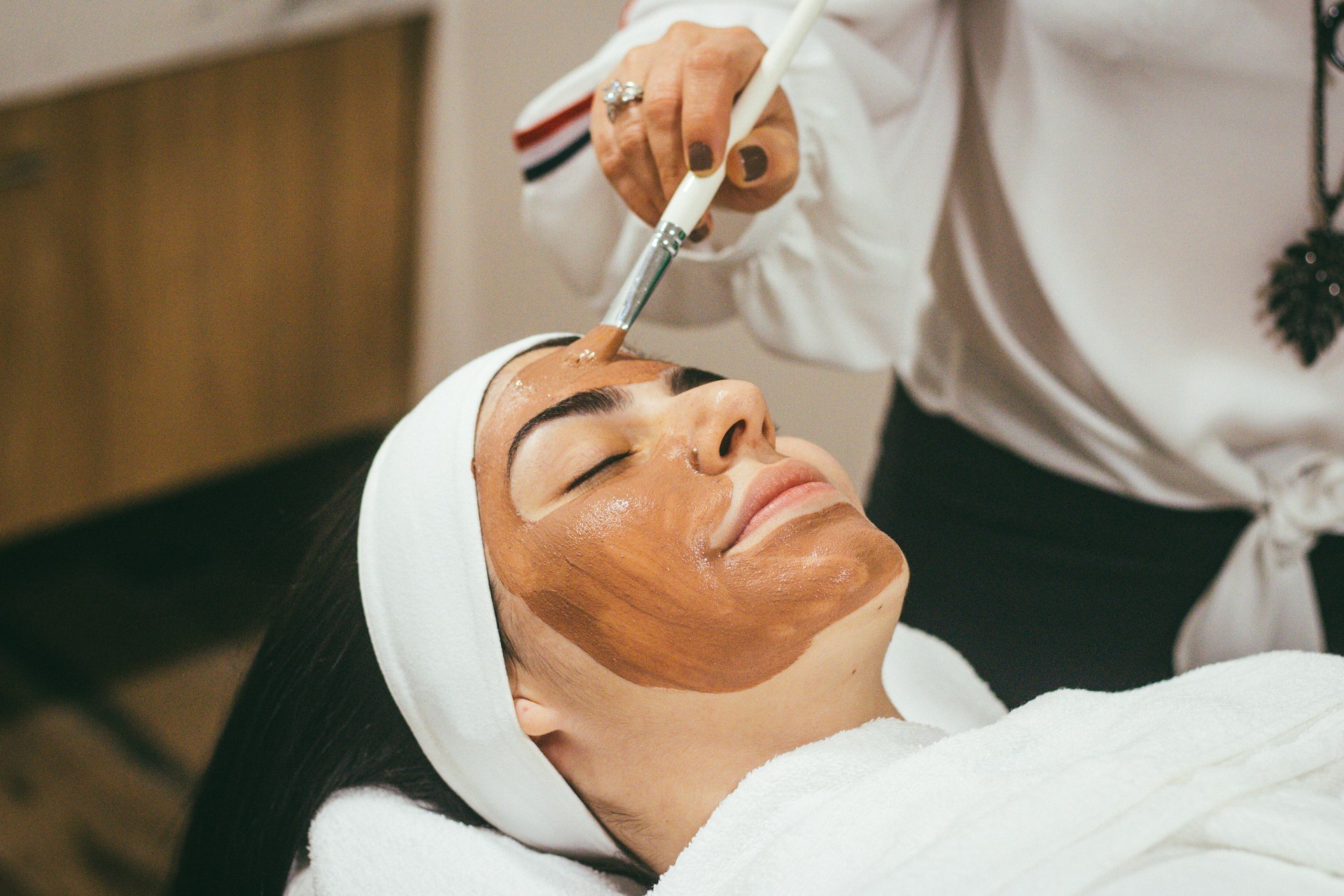
A professional facialist performs skin assessment, skin treatments, and home care prescription for clients seeking to improve their skin health and appearance. The work involves sustained close-focus attention, detailed client communication, and the clinical reasoning to select appropriate treatments for diverse skin conditions. It is more analytical than many beauty specialisations — the decisions you make in a consultation directly affect whether the client’s skin improves, stays the same, or is damaged.
A facialist’s appointment book is built on long-term client relationships rather than high-volume single visits. Clients who see genuine improvement in their skin return regularly — monthly or more frequently for maintenance — and become strong referral sources for new clients. Building a practice of forty to sixty regular skin clients creates a stable and predictable income base.
Step 2: Complete a Professional Facial Course
A comprehensive facial qualification covering skin anatomy, skin typing, core facial protocols, advanced treatment modalities (chemical exfoliation, LED, high-frequency, microcurrent), product ingredient science, and client consultation is the essential starting point. Do not attempt to practise from short courses covering only one or two techniques — the breadth of the facial curriculum exists for good reason, and practitioners who skip foundational content make avoidable clinical errors with consequences for their clients.
For most UK students, online facial training provides the best combination of curriculum depth, flexibility, and value. Choose a program with comprehensive anatomy coverage, a range of advanced treatment content, experienced tutor feedback on practical submissions, and certification accepted by UK professional associations and insurance providers. The National Hair and Beauty Federation publishes compliance guidance for UK skincare practitioners covering insurance requirements, premises registration, and the professional standards expected of qualified facialists operating in the UK market.
Step 3: Develop Your Practical and Diagnostic Skills
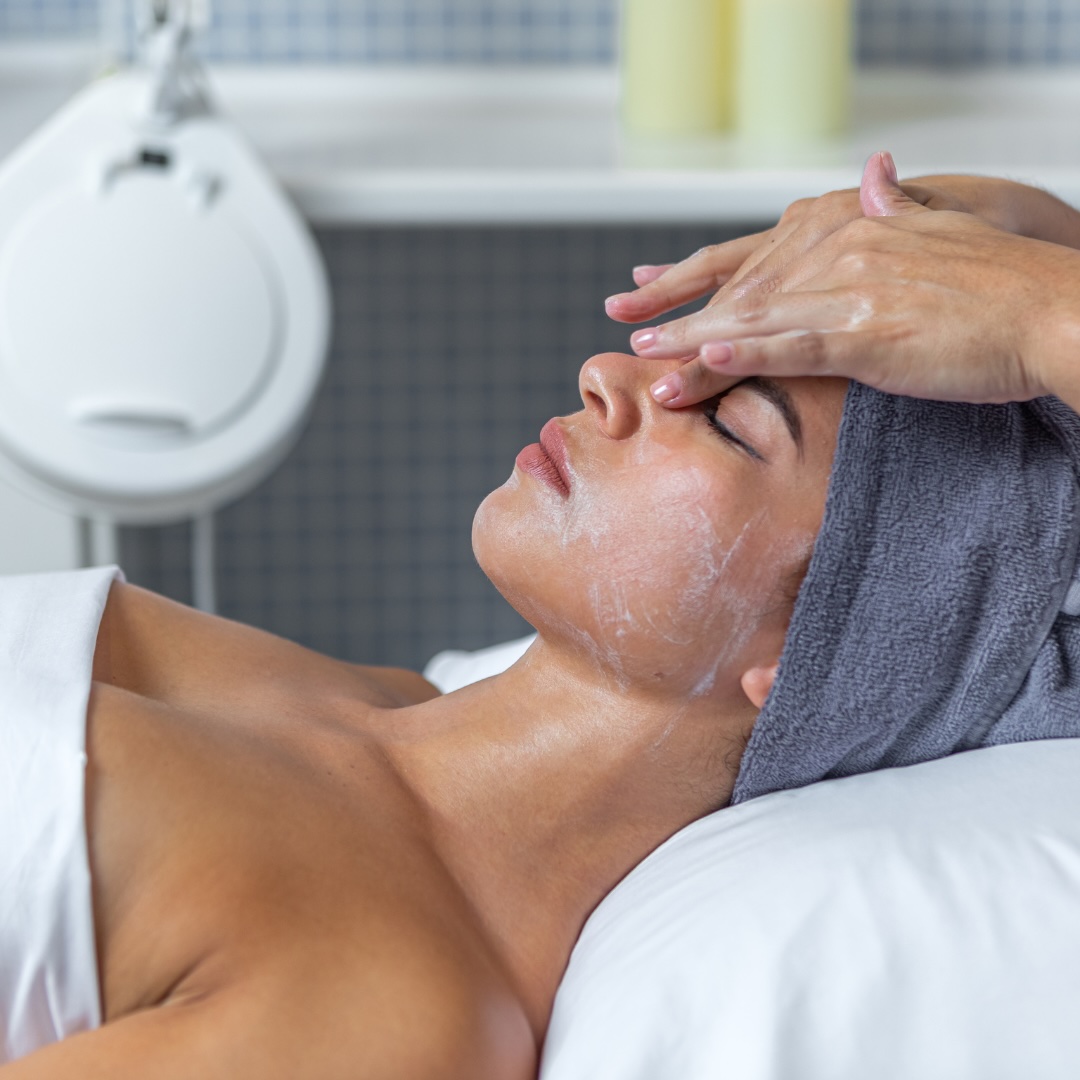
Facial therapy has a higher clinical reasoning component than many beauty specialisations. Before seeing paying clients, develop your skin analysis skills on a diverse range of volunteer clients — different ages, skin types, ethnicities, and conditions. Each skin you assess builds your reference library of real-world skin presentations and helps you develop the visual and tactile acuity that distinguishes a skilled facialist from a practitioner who follows a menu regardless of what they see.
Your massage technique requires equally deliberate development. Professional facial massage — particularly lymphatic drainage and lifting movements — takes sustained practice to produce a result that clients genuinely feel as therapeutic rather than simply pleasant. Practise the movement sequences until they are fluid and automatic rather than hesitant and counted.
Step 4: Build Your Specialist Knowledge
The most successful facialists in the UK develop and communicate a specialist focus that distinguishes their practice. Acne specialist, anti-ageing specialist, sensitive skin specialist, or skin of colour specialist — a clear and credible focus attracts a specific client profile who has been looking for exactly that expertise and who becomes loyal once they find it.
Stay current with skincare research and ingredient science. Healthline is one of the most well-regarded consumer skincare reference sources, and tracking what it publishes on active ingredients and treatments helps you understand what your clients are reading and what questions they are likely to bring to their appointments.
For a broader view of where the professional skincare and facial treatment market is heading, Vogue UK consistently tracks the skincare trends driving consumer demand in the UK — understanding which treatments and ingredients are generating client interest helps you prioritise your specialist training investments for maximum commercial return.
Step 5: Build Your Client Base
Instagram and TikTok are effective platforms for UK facialists, particularly for educational content about skin conditions, treatment processes, and ingredient science. Clients who learn from your content build trust before they book their first appointment. Before-and-after photographs showing genuine skin improvement — with appropriate client permissions — are among the most powerful conversion content available.
According to Indeed UK, skin specialists with advanced training and established client practices earn consistently above the general beauty therapist median — direct evidence that investing in comprehensive facial training and building genuine clinical expertise pays off financially over the course of a career. Our Certificate in Facials is the comprehensive qualification for a UK facialist career. Our article on how to start a facials business covers the business launch in detail. All beauty training options are at UK Beauty School.