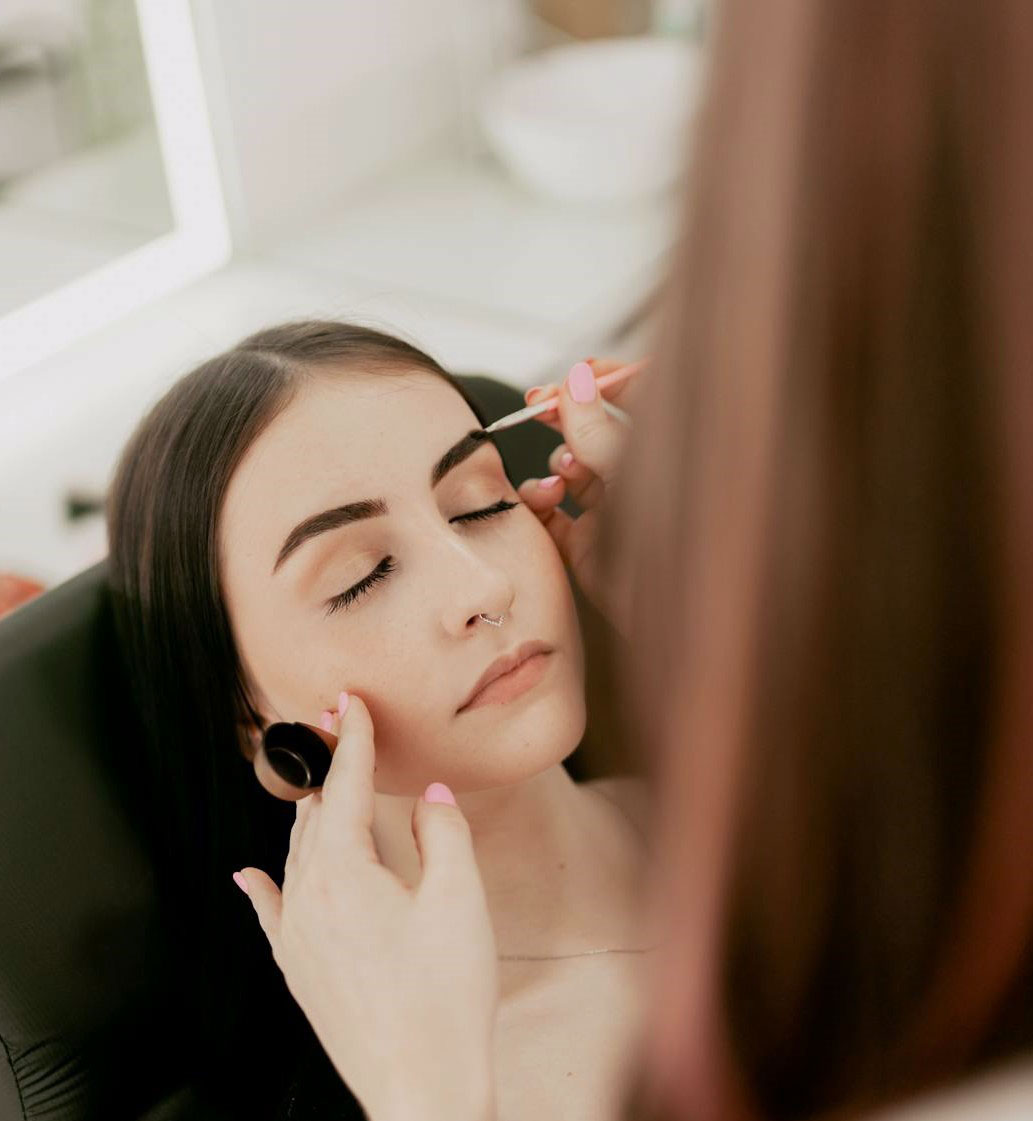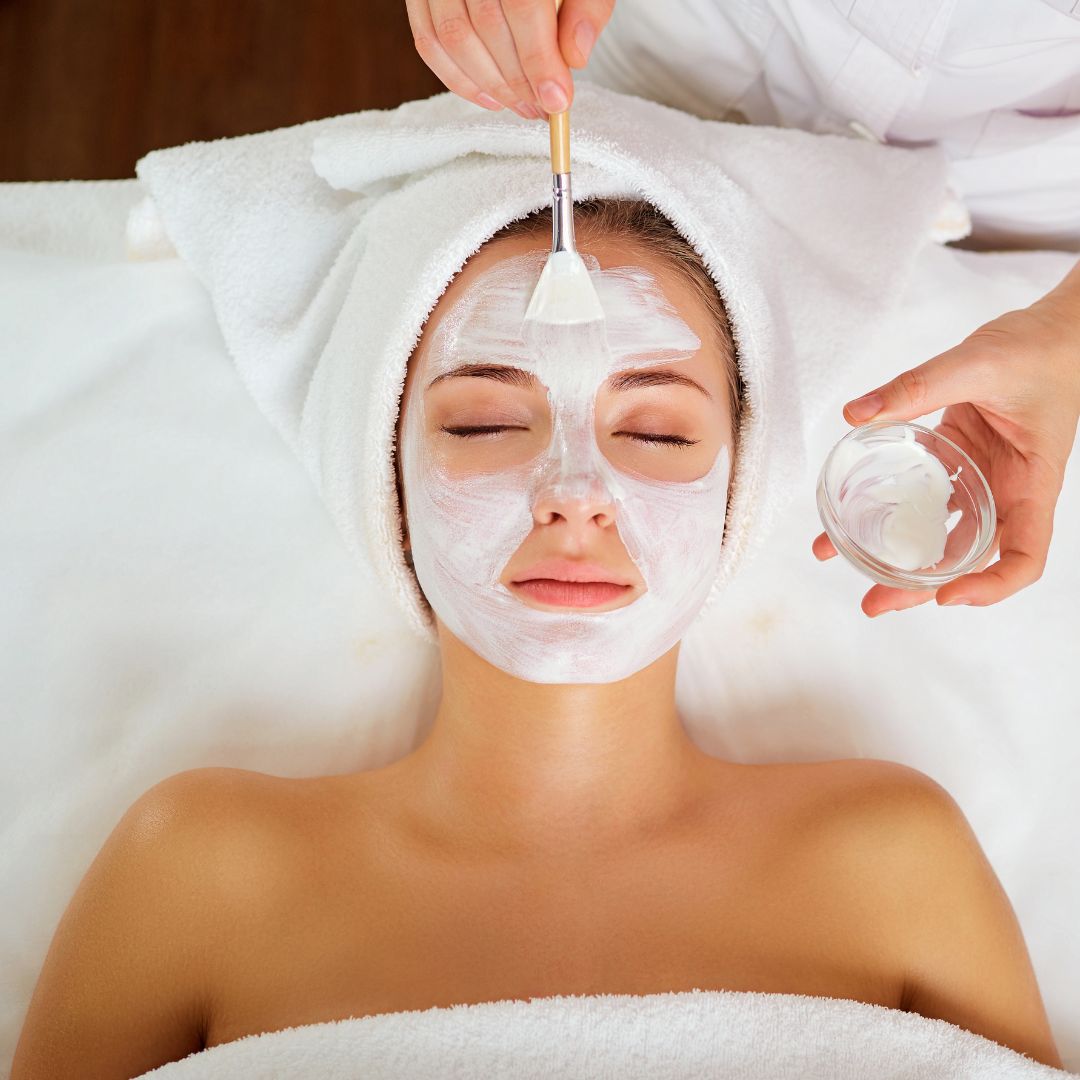
Facials and professional skincare treatments are one of the fastest-growing segments of the UK beauty and wellness industry. The cultural shift toward skin health — rather than simply cosmetic coverage — has driven significant growth in demand for qualified skin therapists who can assess, treat, and genuinely improve their clients’ skin. For practitioners who invest in comprehensive facial training, the UK skincare market offers strong earning potential, high client satisfaction, and the kind of technically interesting work that makes long-term career engagement genuinely rewarding.
This guide covers what a professional facial course in the UK should teach, how to evaluate different training options, how long qualification takes, and what a skincare career looks like in the British market.
What Does a Professional Facial Course Cover?
A comprehensive facial course in the UK is substantially more detailed than most students expect. The goal is to produce practitioners who can assess client skin accurately, select and perform appropriate treatments, and develop long-term client relationships built on genuine skin improvement outcomes — not simply deliver a standard menu treatment regardless of the individual client’s skin condition.
Skin anatomy is the foundational theory. You will learn the layers of the skin in anatomical detail — the epidermis and its five sub-layers, the dermis and its structural components, and the underlying hypodermis — along with the functions each layer serves and the mechanisms through which different treatments affect the skin. Healthline provides a widely referenced consumer resource on skincare ingredients and treatments — understanding what your clients are reading before they book helps you address their questions with clinical credibility during consultation.
Skin typing and condition assessment are the practical application of anatomy knowledge. You will learn to distinguish between the four primary skin types (normal, dry, oily, and combination), identify common skin conditions including dehydration, sensitivity, acne, hyperpigmentation, and premature ageing, and assess the underlying causes of those conditions rather than treating surface symptoms alone. Client consultation, skin analysis under magnification, and the documentation of skin assessment findings are all covered as professional practice.
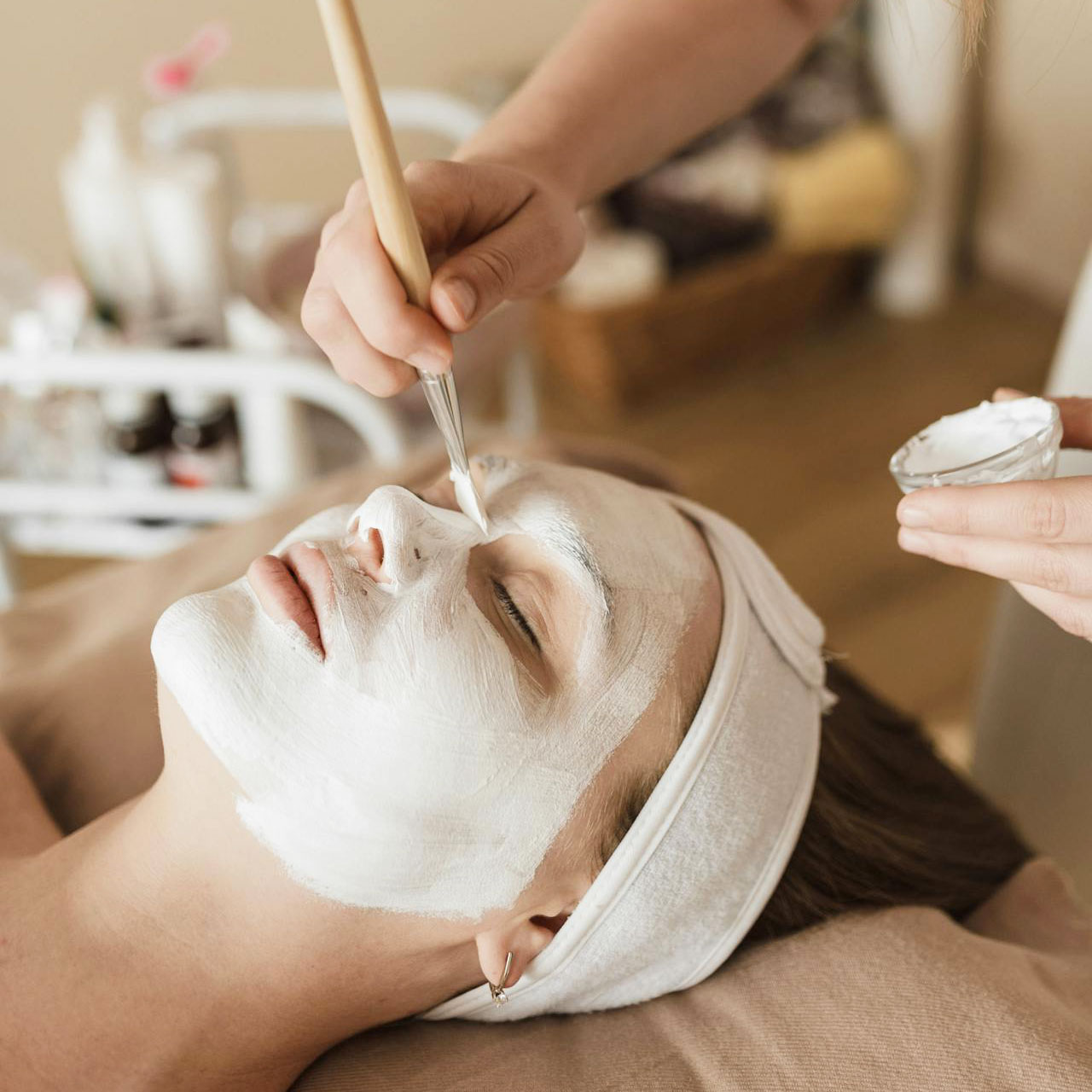
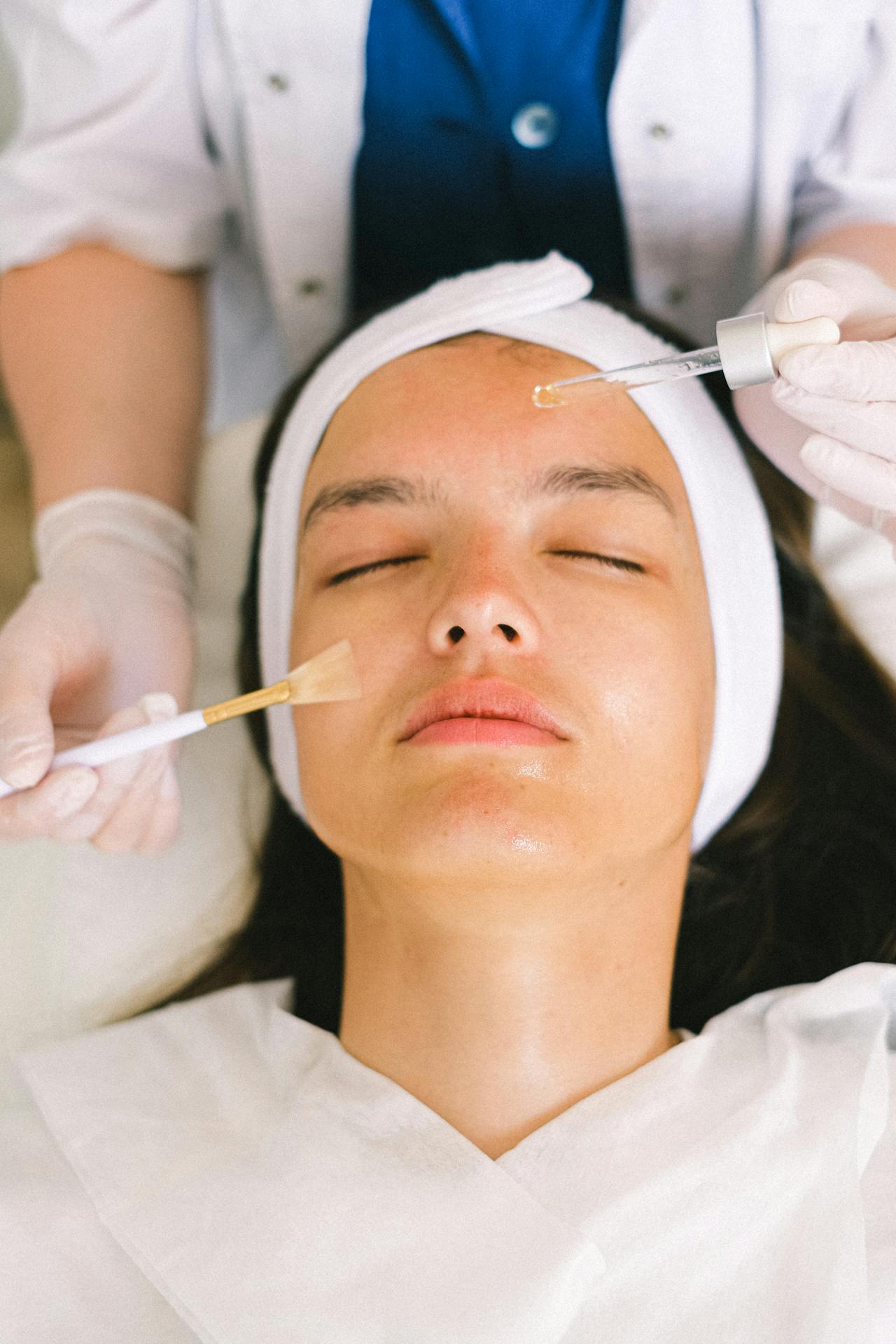
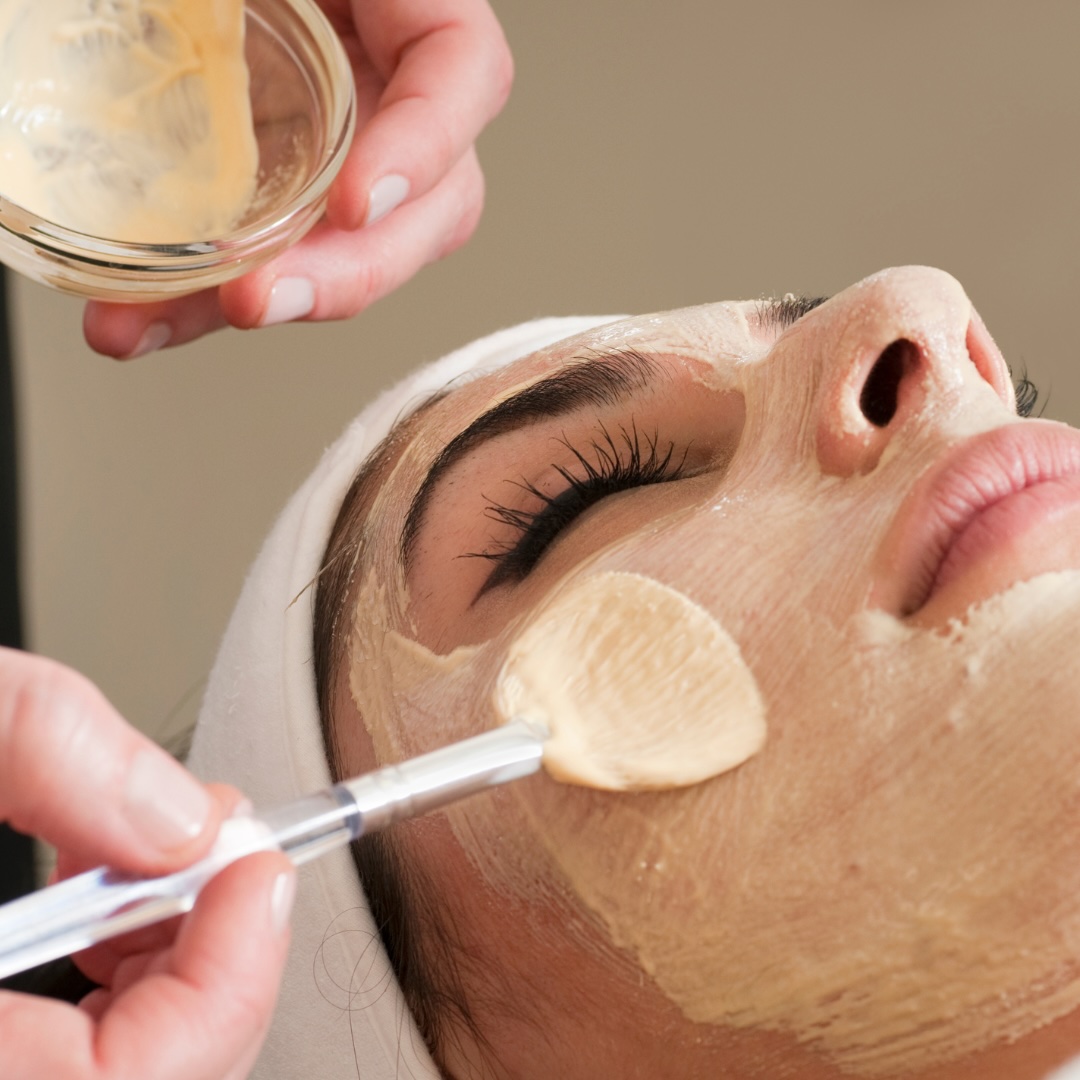
Treatment protocols are taught in step-by-step detail for the core facial treatments: deep cleansing, steam, exfoliation, extraction, massage, mask application, and product application finishing. Advanced and specialist treatments are introduced at the comprehensive course level: chemical exfoliation, LED light therapy, high-frequency treatment, microcurrent, and ultrasonic facial tools. Allure provides one of the most comprehensive consumer-facing skincare glossaries available — practitioners who understand the ingredient vocabulary clients use are better equipped to validate their expertise and build trust from the first consultation.
Product ingredient knowledge and home care prescription are essential competencies for a professional skin therapist. Clients who follow a consistent professional home care regime maintain their treatment results between appointments and rebook more frequently. Prescribing effective, evidence-based home care — and explaining the rationale for each product recommendation — builds the trust and clinical credibility that differentiates a genuine skin specialist from a generalist beauty therapist.
Online Facial Training in the UK
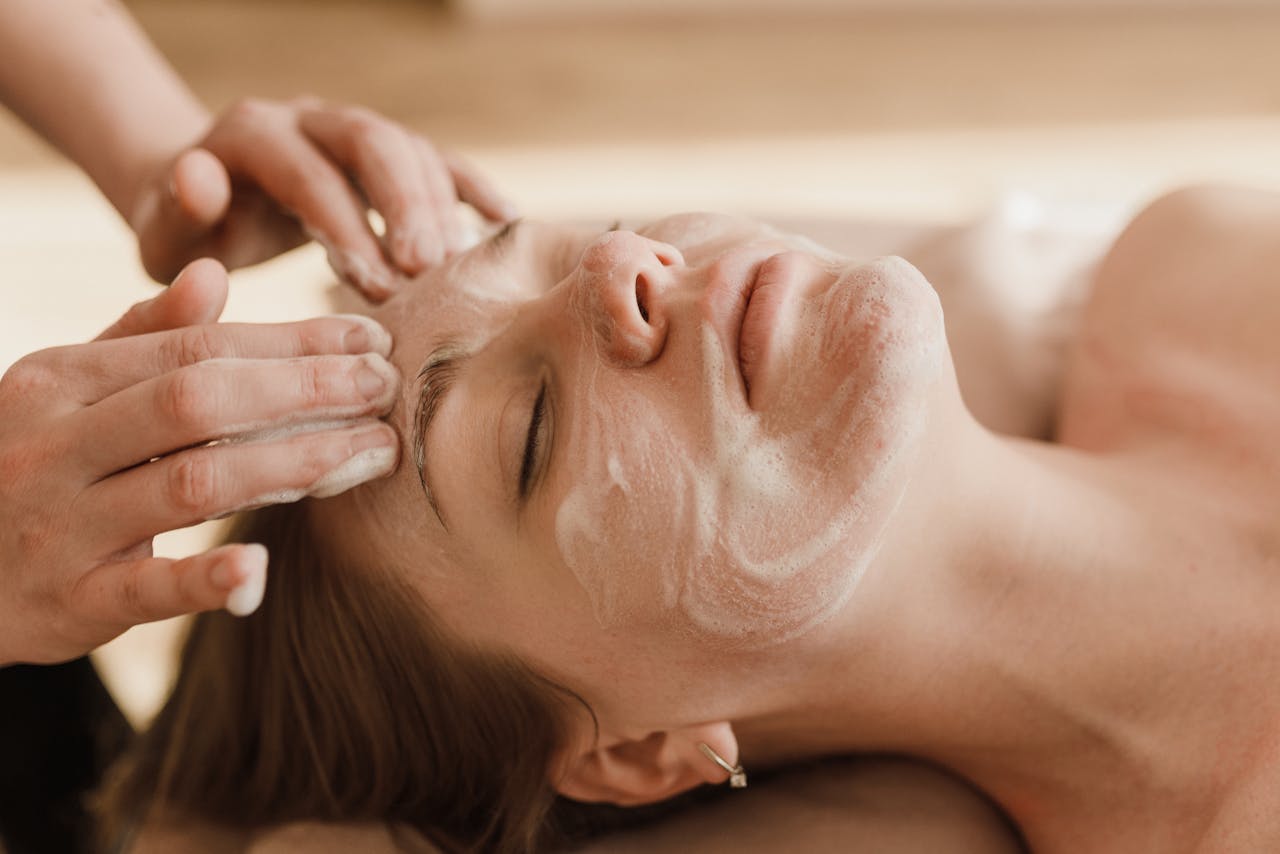
Online facial courses are widely available in the UK and the format is well-suited to the theoretical and clinical reasoning components of skin training. The anatomy, physiology, ingredient science, and condition assessment content translates effectively to digital delivery. The practical component — developing massage technique, treatment sequencing, and product handling — requires guided kit-based practice with structured assessment submissions reviewed by experienced skin therapists.
For students considering online facial training, the quality markers are: the depth of the anatomy and skin condition curriculum, the range of treatments covered, the professionalism of the tutor feedback on practical assessments, the quality of the product kit included, and certification recognition by UK beauty insurance providers and professional associations such as BABTAC or the Beauty Guild. The National Hair and Beauty Federation provides guidance on the professional standards and compliance requirements that apply to UK skincare practitioners — essential reading for anyone planning to operate a facial practice from a home studio or commercial premises.
What Can You Earn as a Facial and Skincare Specialist in the UK?
Standard facial treatments in the UK are priced at £40 to £80 for a sixty-minute appointment in most regional markets, with advanced treatments — chemical peels, LED therapy, and microcurrent — priced at £70 to £150. Premium skincare clinics and medical aesthetics practices in London and major cities command significantly higher rates.
Qualified skin therapists employed in medical aesthetics clinics in the UK earn £22,000 to £35,000 annually, with experienced practitioners in premium settings at the higher end. Self-employed skin therapists with established practices and advanced treatment menus generate £30,000 to £55,000 or above in strong urban markets. According to Indeed UK, skin specialists with advanced training consistently earn above the general beauty therapist median.
Our Certificate in Facials covers the full range of professional facial treatment skills. For practical context on the day-to-day of facial practice, our article on facial course fundamentals: skin analysis and treatment selection is recommended reading. All beauty training options are available at UK Beauty School.