The brow therapy sector is one of the most accessible and financially rewarding specialisations in the UK beauty industry. The range of treatments has expanded dramatically — from classic waxing and tinting to lamination, henna, and threading — the repeat booking frequency is strong, and the social media visibility of great brow work drives consistent organic client acquisition for skilled practitioners who invest in content creation.
Whether you are considering brow therapy as your primary career or adding brow services to an existing beauty practice, this guide walks you through every step from initial decision to established client base.
Step 1: Understand the Full Range of Brow Services
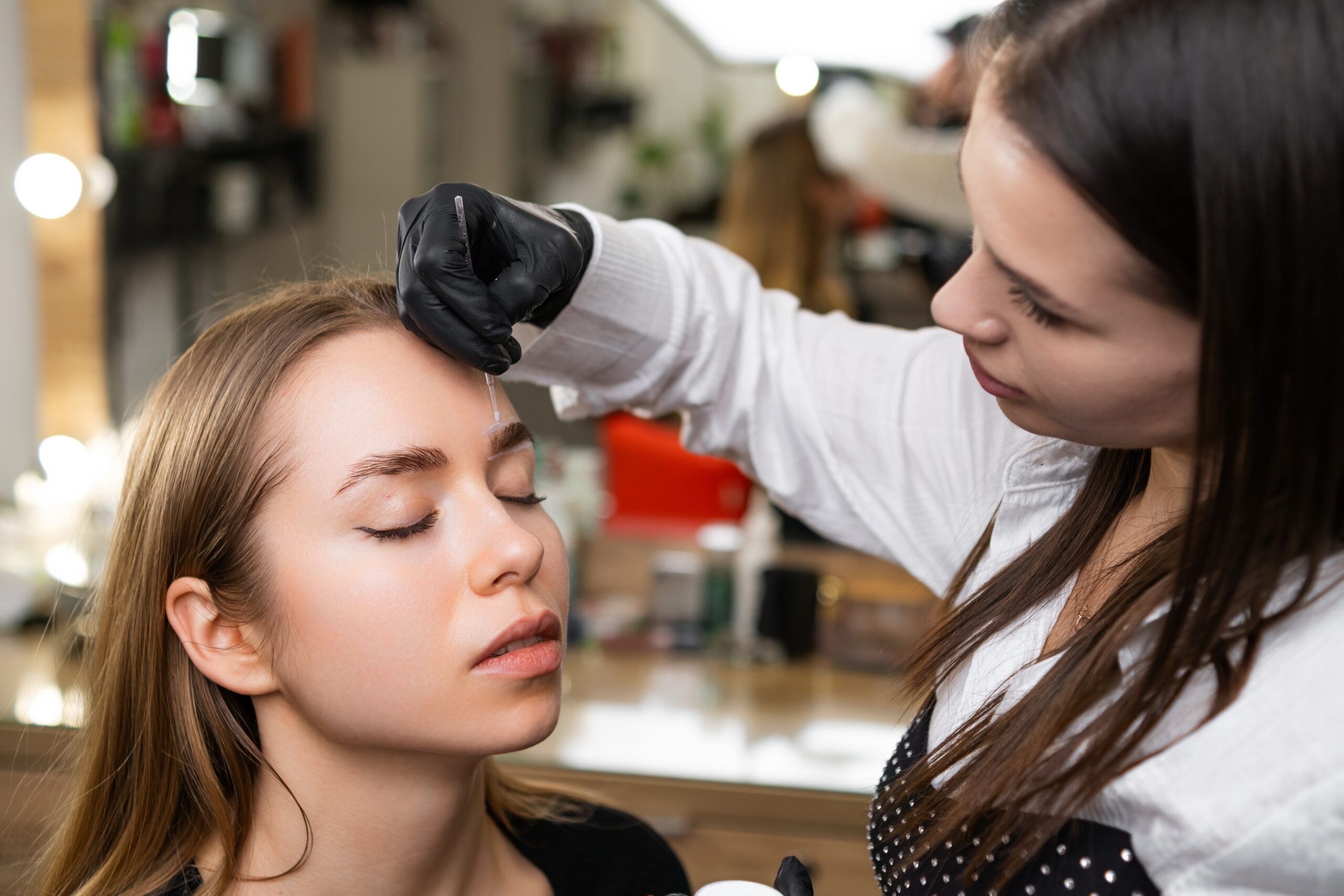
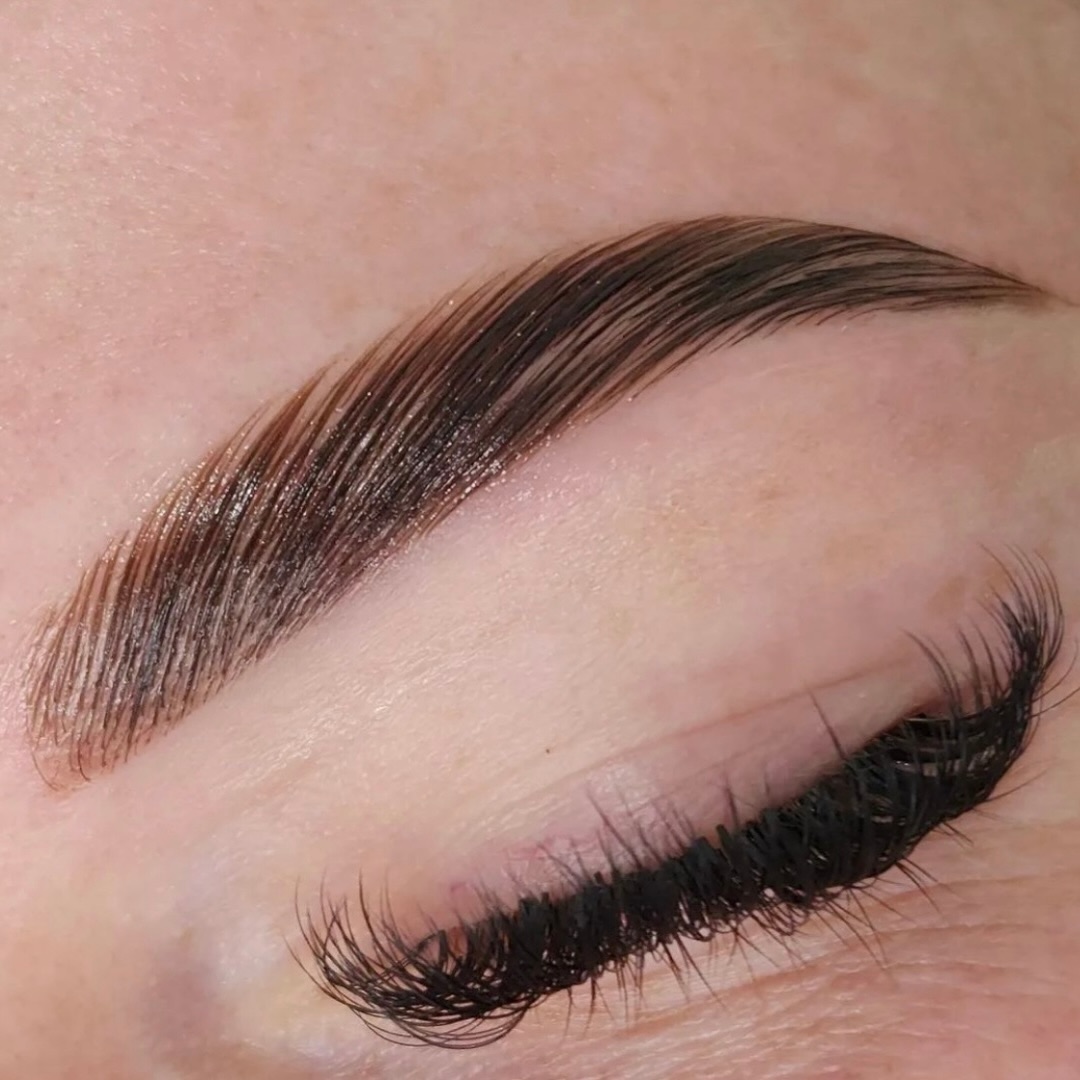
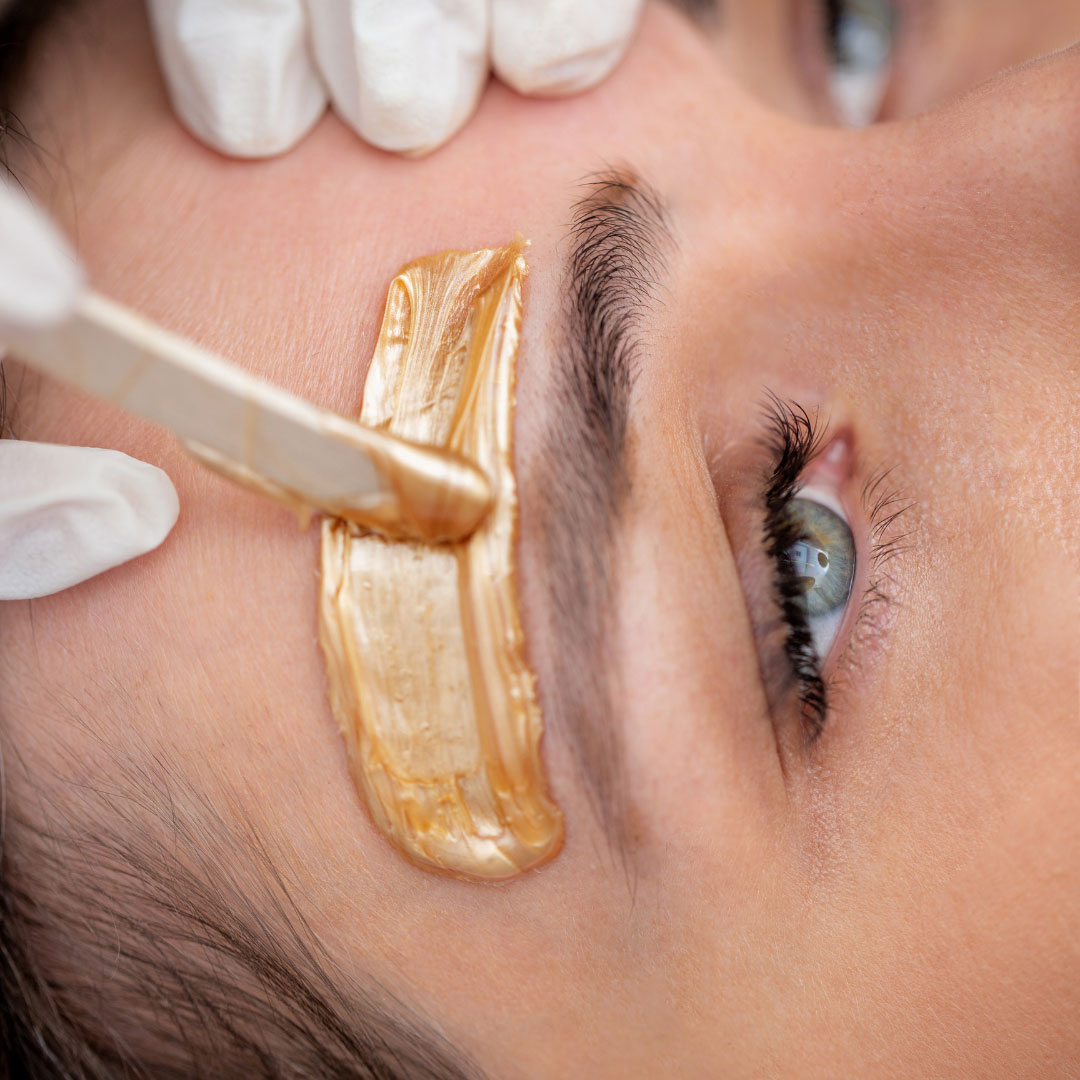
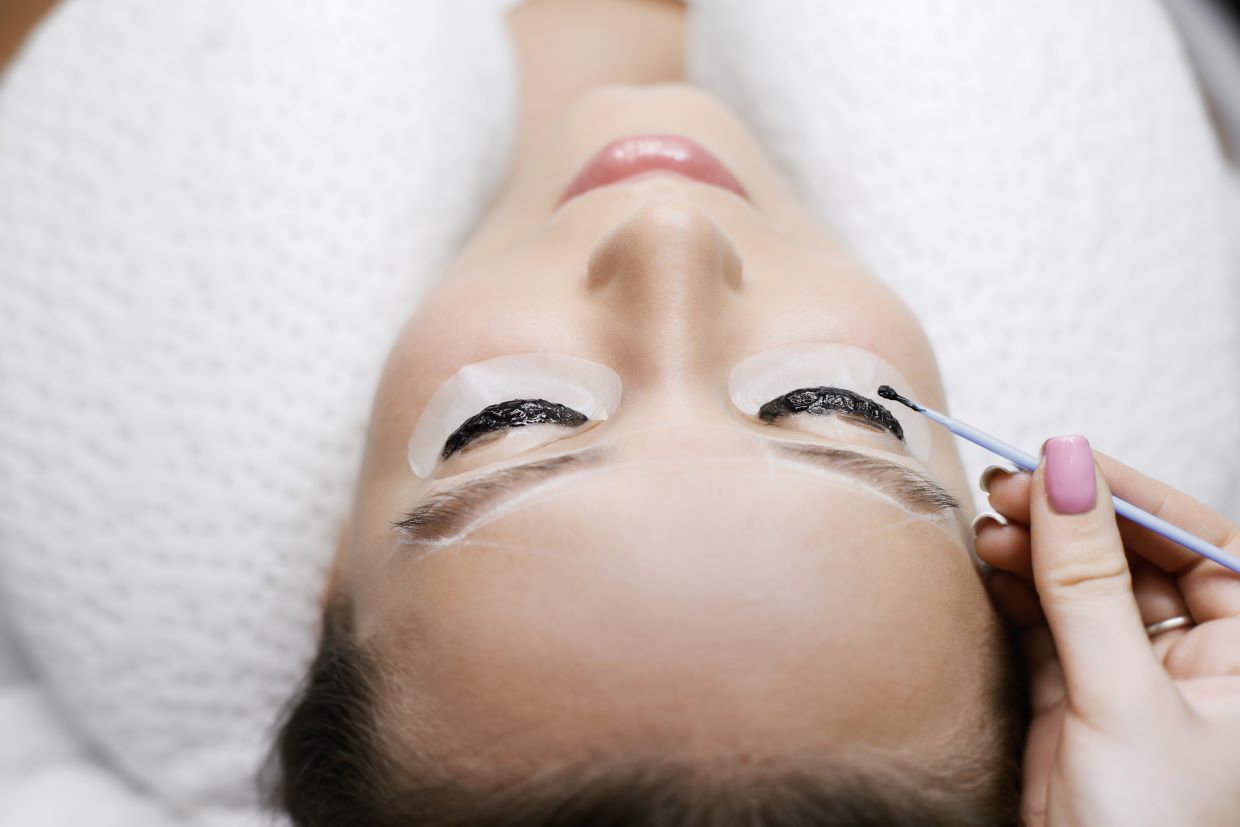
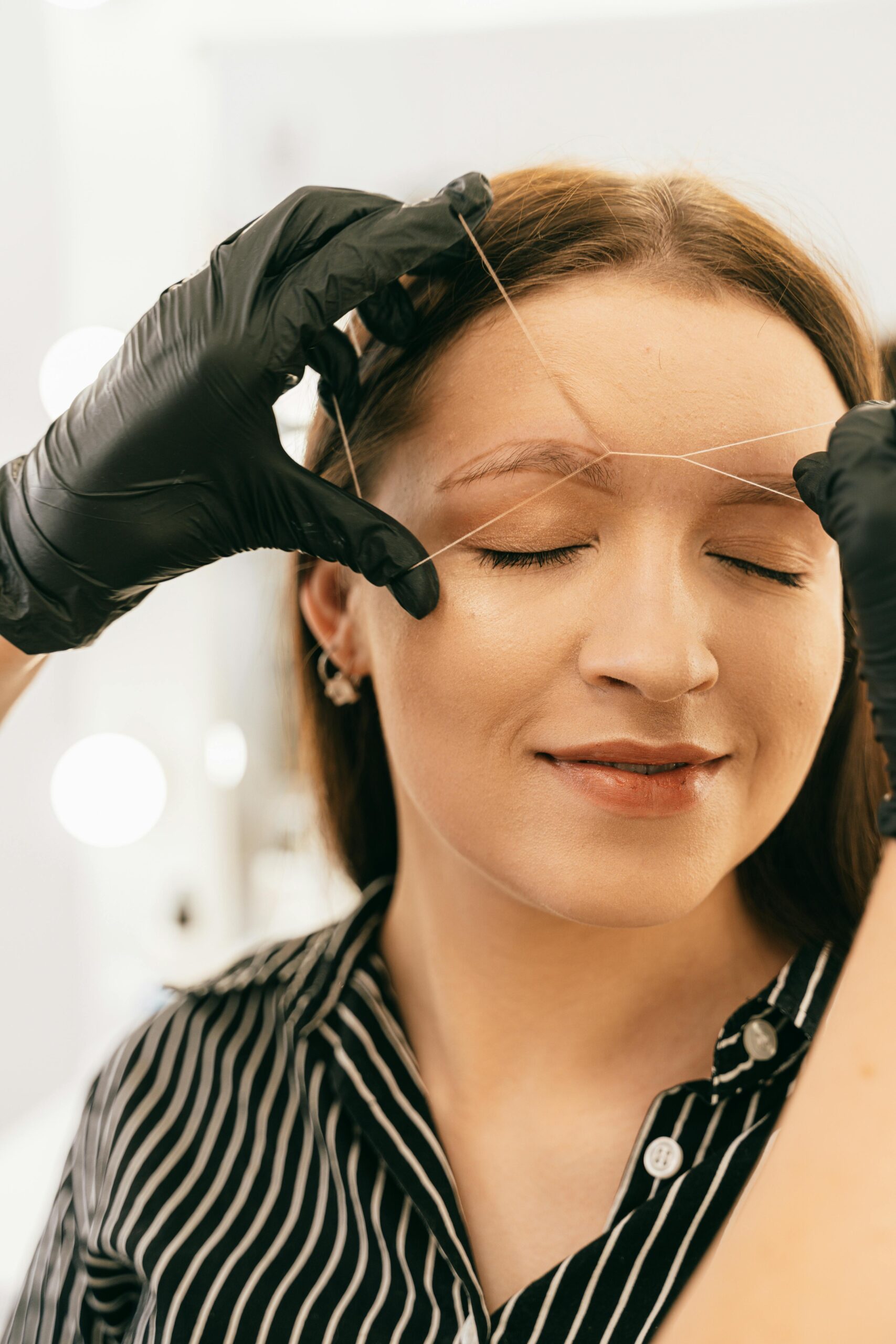
Before choosing your training pathway, understand the full landscape of brow treatments available in the UK market. Eyebrow waxing and threading are the foundational shaping services. Brow tinting adds colour definition and is almost universally offered alongside shaping as a combined treatment. Brow lamination has become one of the most popular treatments in the UK market, creating the full, brushed-up brow style that social media has made mainstream. Henna brows provide a longer-lasting tint option with skin staining that significantly extends the between-appointment result. According to Allure, the eyebrow shaping and enhancement market has grown significantly over the past decade as clients invest more seriously in professional brow services — making comprehensive brow therapy training one of the most commercially sound qualifications available in UK beauty.
A practitioner who offers the full range of brow services — waxing, threading, tinting, lamination, and henna — has the most comprehensive client appeal and the highest average appointment value. Building toward the full menu over time, starting with the foundational qualifications, is the standard career trajectory for successful UK brow technicians.
Step 2: Choose Your Starting Qualification
For most beginners, eyebrow waxing and tinting is the ideal entry-point qualification. It covers the foundational skills — facial mapping, wax application, tint chemistry and application — that underpin every subsequent brow qualification. Brow lamination training requires some understanding of chemical processes that is best approached with a tinting foundation in place. Starting with waxing and tinting gives you the conceptual and practical baseline that makes every subsequent qualification faster to complete.
Students who already have beauty therapy experience may choose to begin with lamination, which is currently the highest-demand specialist brow treatment and commands the best pricing per appointment. The specific course you begin with should reflect both your current experience level and the speed with which you want to generate bookings.
Step 3: Develop Genuine Practical Skill
Brow work is a precision skill. Particularly for waxing and facial mapping, the ability to produce a symmetrical, well-designed brow shape on diverse face types requires genuine practice on multiple real clients before your first paid booking. A poorly shaped brow wax is immediately visible to everyone the client encounters and will not be forgiven in the way that a slightly imperfect nail treatment might be. Healthline notes that clients increasingly research brow treatments before booking — practitioners who demonstrate visible technical precision in their portfolio content attract the most quality-conscious and loyal segment of the UK brow market.
Practise on every willing volunteer you can find, particularly on people with different face shapes, brow densities, and hair colours. The more diverse your practice clients, the broader your consultative understanding of how different brow shapes suit different faces, and the more confident you will be when your first paying clients present with features you have not encountered before.
Step 4: Get Insurance and Set Up Compliantly
Before taking paid clients for any brow treatment involving chemicals (tinting, lamination, henna), you must hold professional liability insurance. Most reputable UK beauty insurance providers cover brow waxing and tinting as standard, with lamination and henna available as extensions of the base policy. Confirm the specific treatments covered before enrolling in training, and ensure your qualification is accepted by the insurer.
If you plan to work from home, check with your local council regarding any registration or licence requirements for home-based beauty treatments in your area. Requirements vary between local authorities in England, Wales, and Scotland.
Step 5: Build Your Portfolio and Client Base
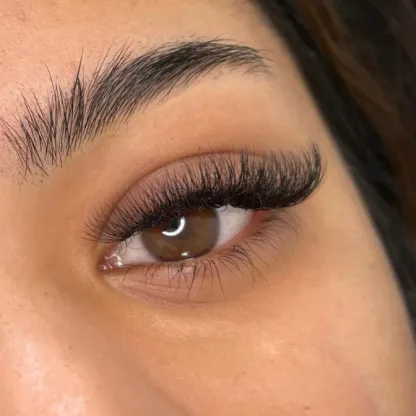
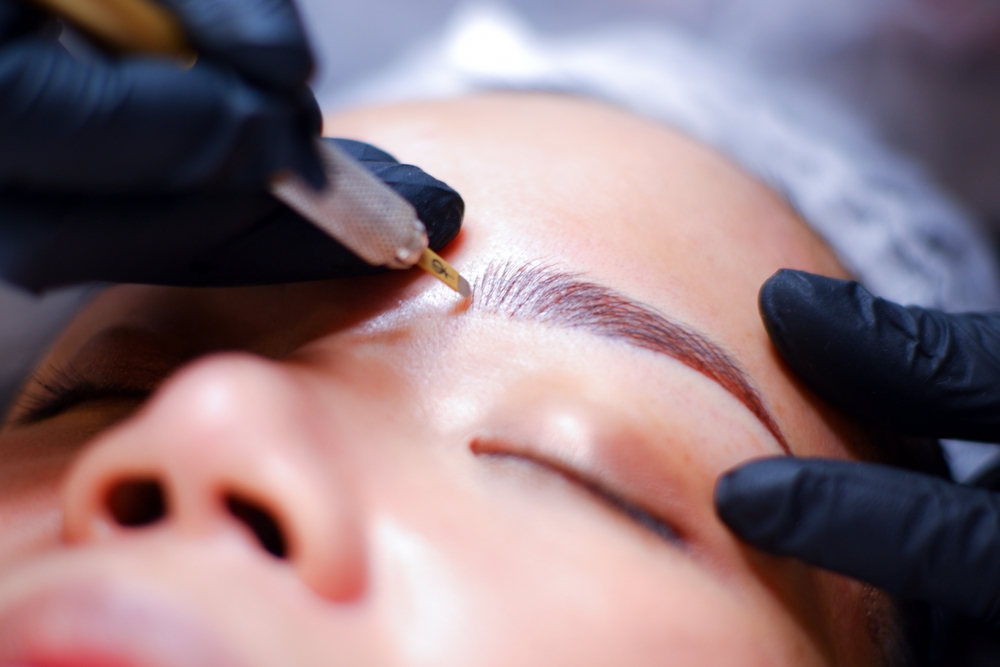
Brow transformation photographs are among the most shareable content on UK social media. A clear before-and-after showing a sparse or unruly brow transformed by lamination, or an over-plucked brow restored through waxing technique and tinting, communicates the value of your work instantly and without words. Build this portfolio content during your practice phase and post it consistently as you launch.
According to Indeed UK, beauty therapists with multiple brow specialisations earn consistently above the general category median, reflecting the skill premium attached to a comprehensive brow service menu.
For business setup guidance, the National Hair and Beauty Federation provides practical resources on pricing, insurance, and compliance requirements for UK beauty practitioners — essential reference material as you establish your brow practice.
Our Certificate in Eyebrow Waxing and Tinting is the recommended starting qualification for a brow career. Once established in waxing and tinting, our Certificate in Eyebrow Lamination is the natural next step. All available brow training is on our brow courses page.