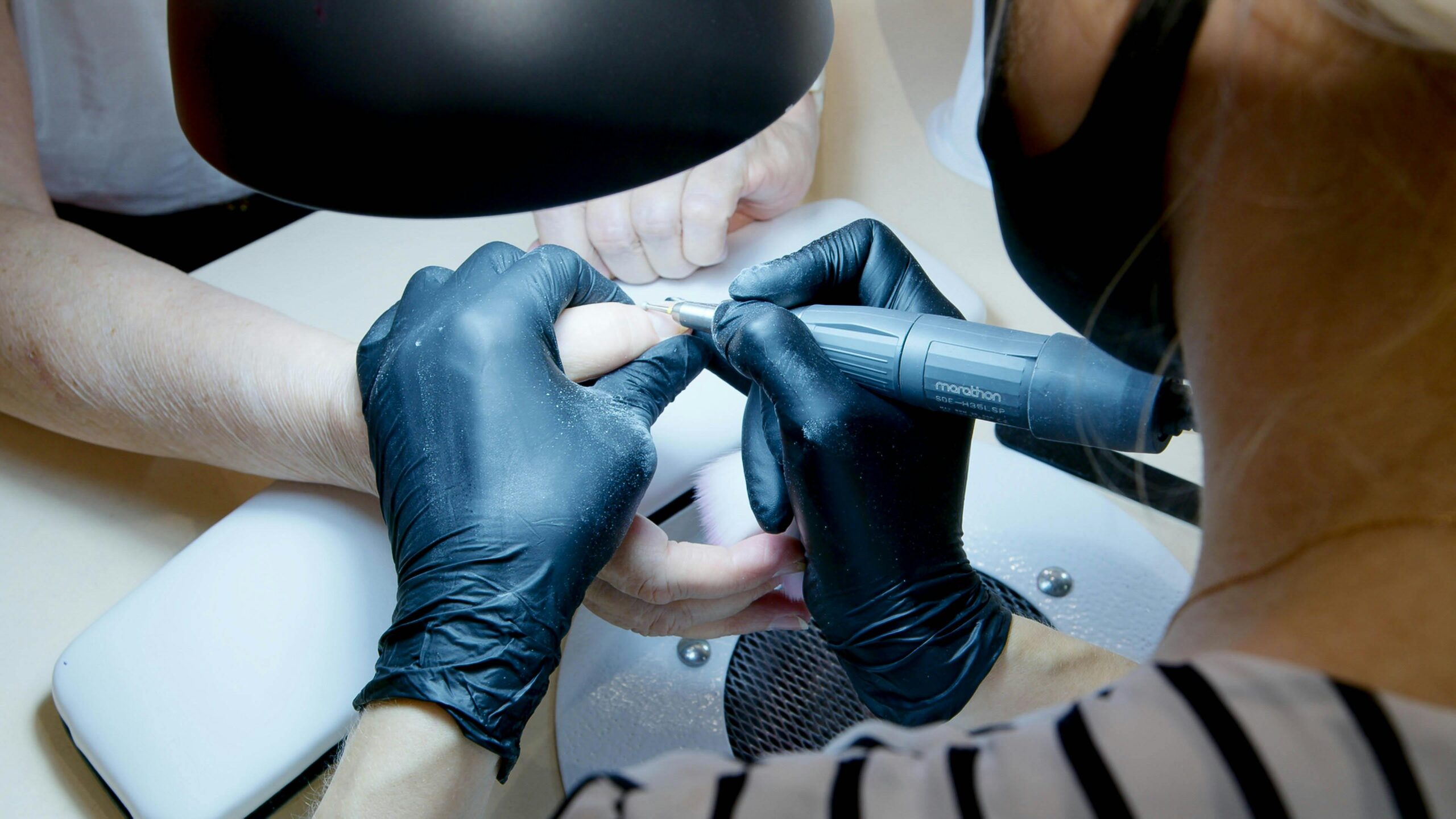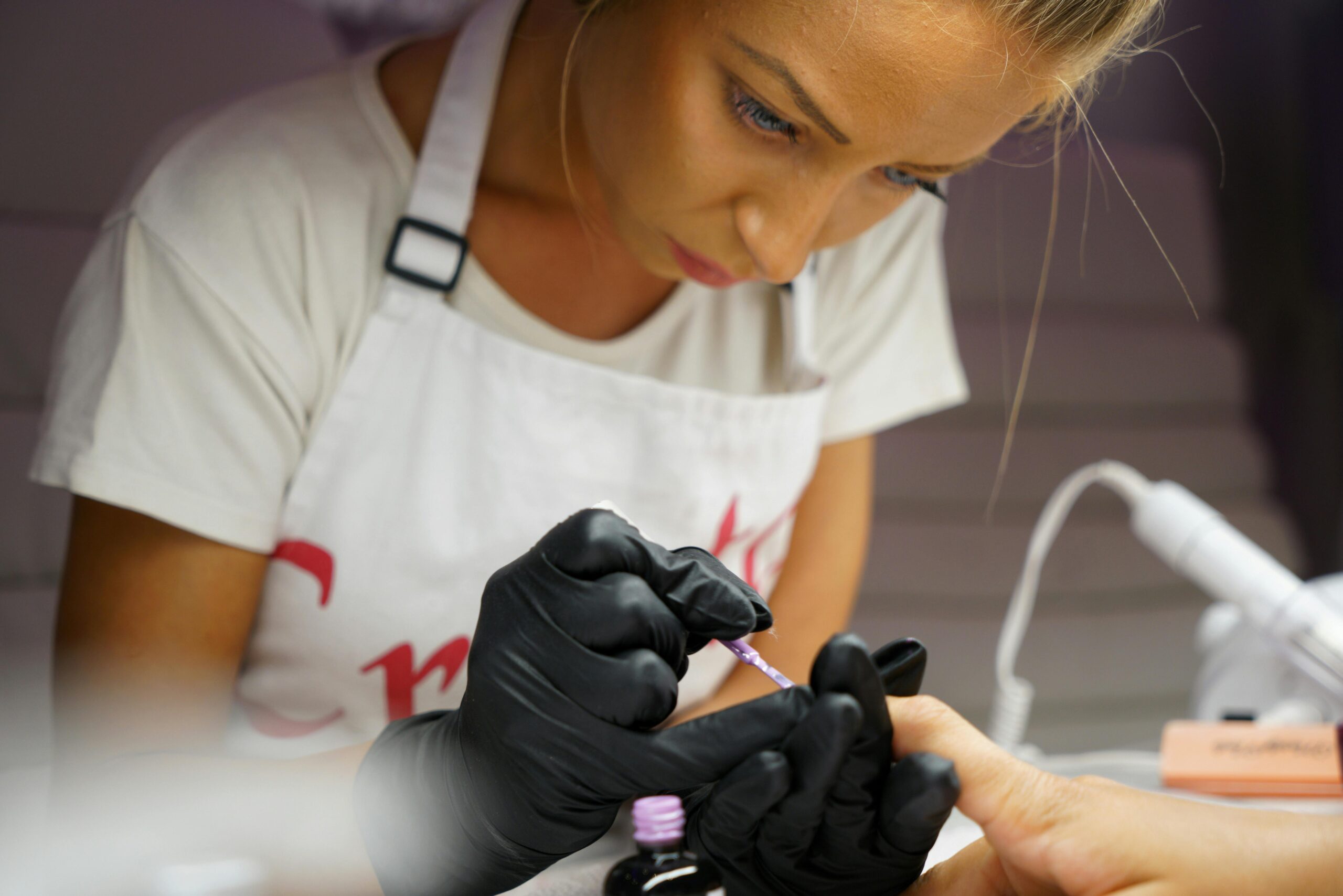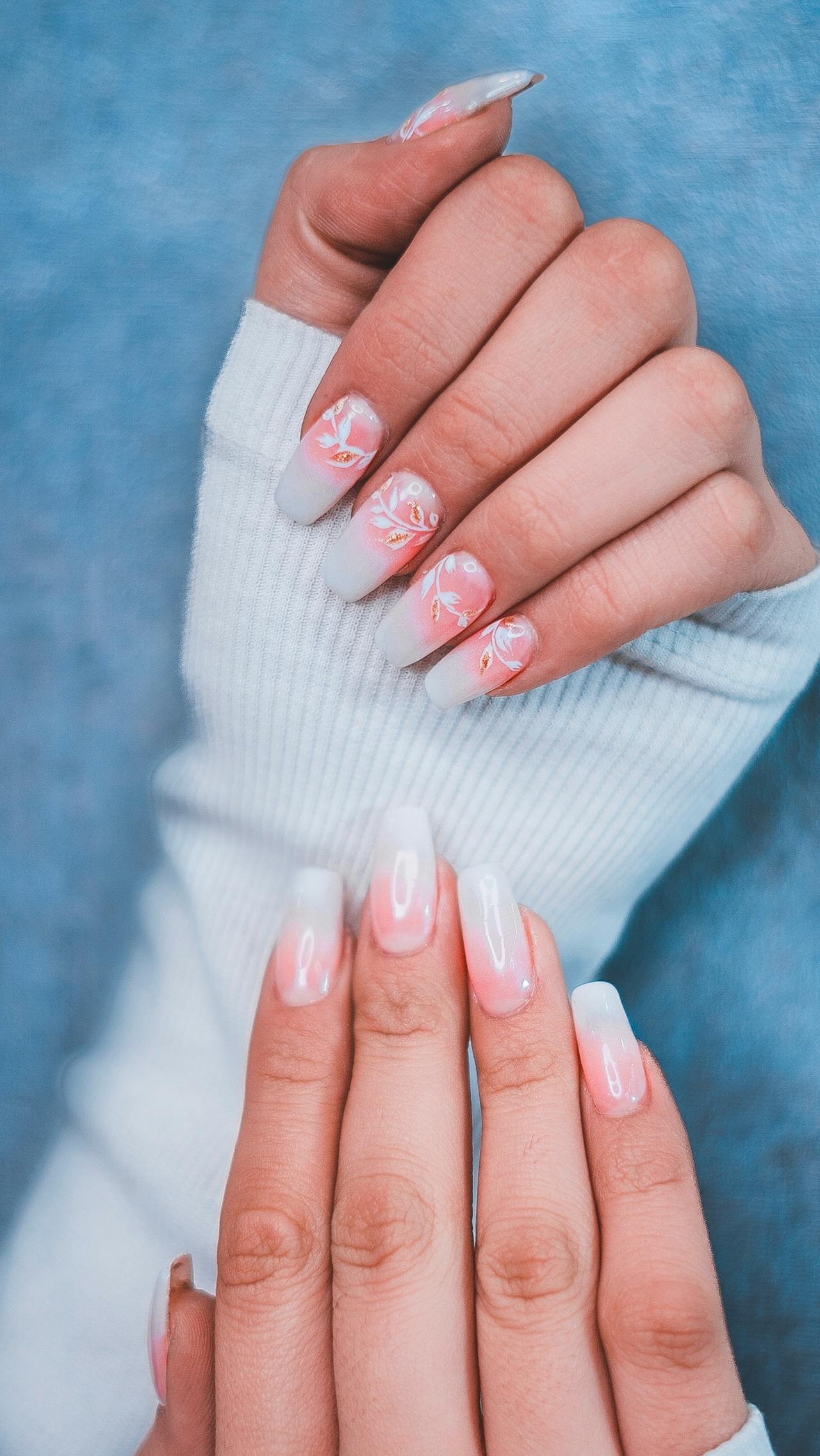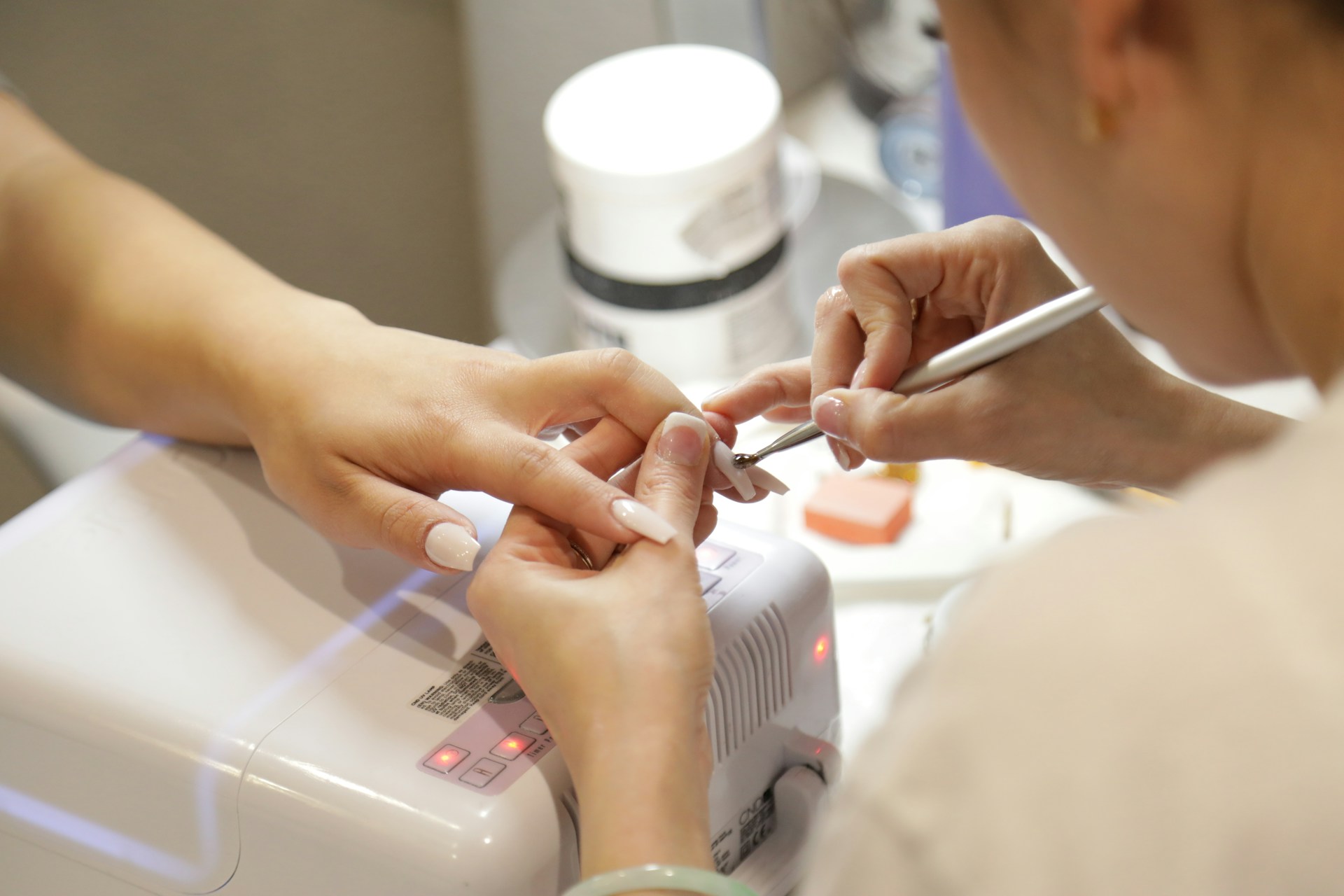
Nail art has transformed from a niche novelty into one of the most dynamic and commercially active sectors of the UK nail industry. Social media — Instagram and TikTok in particular — has driven extraordinary client demand for creative nail work: 3D elements, hand-painted florals, chrome finishes, gel art, and elaborate set designs that clients share widely and that act as organic marketing for the artists who create them. For nail technicians with a natural creative inclination, nail art specialisation offers premium pricing, a highly engaging body of work, and the kind of social media visibility that builds a full booking schedule organically.
This guide covers what a professional nail art course teaches, how creative skill development works in an online training format, what UK nail artists earn, and how to build a nail art career in the British market.

What Does a Nail Art Course Cover?
A professional nail art course in the UK builds the creative and technical skills needed to produce salon-quality nail art consistently, on a range of nail shapes and lengths, under real-world booking conditions. It is built on a technical foundation before introducing the creative specialisation that most students are drawn to.
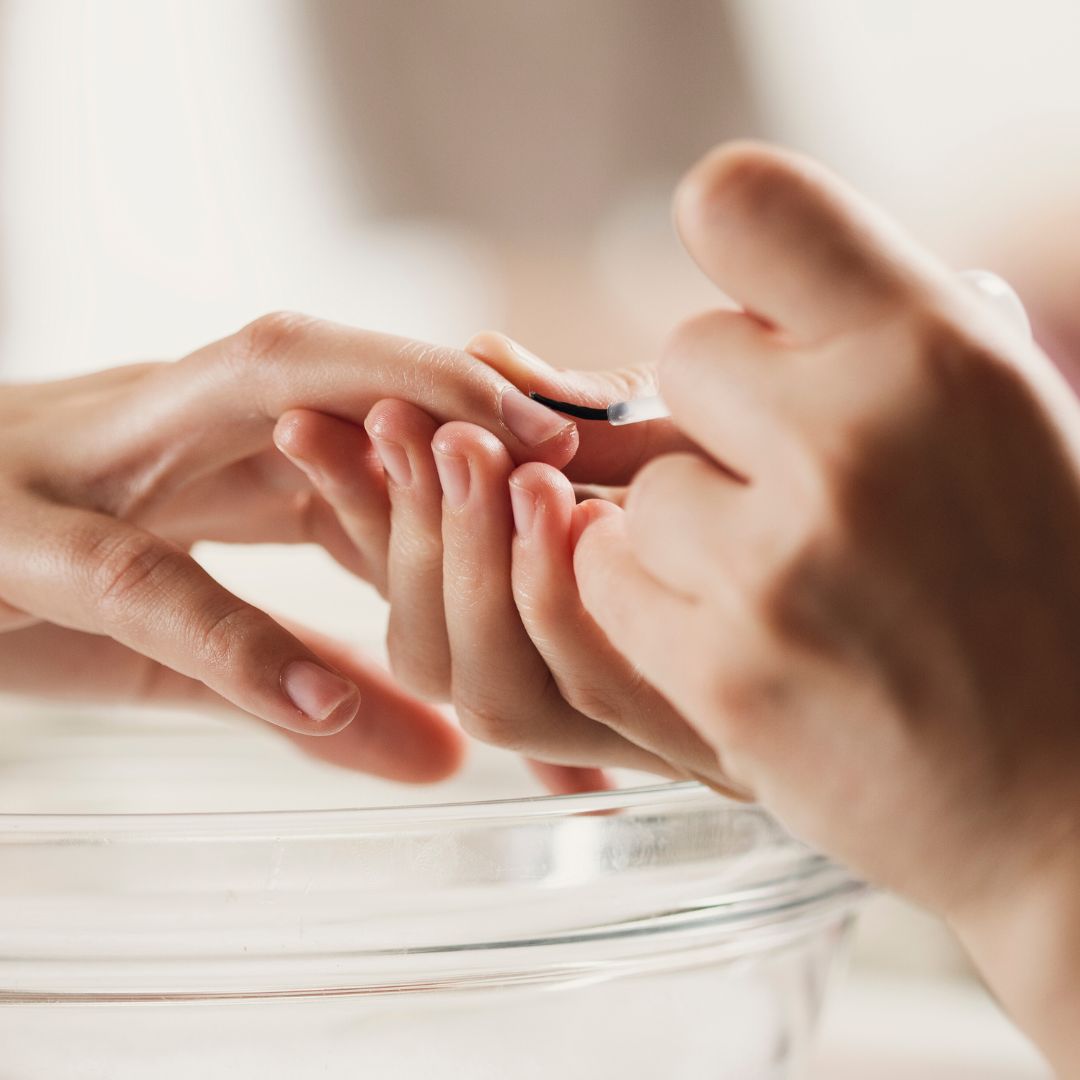
Nail preparation is covered first. Creating beautiful nail art on a poorly prepared surface is futile — the art will lift, chip, or peel regardless of quality if the preparation underneath is compromised. Correct cleansing, dehydration, base coat application, and the specific preparation required for each nail art system are foundational curriculum.
Colour theory — understanding warm and cool undertones, how colours interact and complement each other, how to create harmonious palettes, and how to use contrast to create visual impact — is the intellectual foundation of nail art. This is not simply an artistic question; it affects the technical decisions you make about colour layering, gradient construction, and the relationship between a design’s base colour and its decorative elements.
Gel art techniques form the core practical curriculum: freehand painting with gel colour and gel paint, ombre and gradient blends, watercolour effects, detailed linework, nail stamping and transfers, foil application, and chrome and mirror powder techniques. Each technique requires its own development of precision, timing sensitivity, and product control. Allure tracks the nail art trends that drive UK client demand season by season — understanding what styles are generating the most social media engagement helps you prioritise the techniques that will have the greatest commercial impact in your portfolio.
3D nail art — creating raised sculptural elements using builder gel, acrylic, or specialised modelling gel — is covered in advanced modules. 3D designs using flowers, gemstones, texture effects, and character elements attract premium pricing and are among the most-shared nail content on UK social media. Vogue UK consistently features 3D and sculptural nail art among the top trends in the UK market — confirmation that investing in this technique opens the door to the most premium-priced client segment.
Building a Nail Art Portfolio in the UK
In the nail art industry, your portfolio is both your CV and your primary marketing tool. Before taking paid nail art bookings, invest time in building a collection of photographs that demonstrates your range, technical precision, and creative vision across multiple styles and techniques. Include clean, minimalist designs that demonstrate control alongside more elaborate sets that showcase creative ambition. Show work on different nail shapes and lengths.
Instagram is the dominant platform for nail artist discovery in the UK. A consistent, well-curated grid — posted at minimum three times per week, with clear geo-tagging and relevant UK-specific hashtags — generates the local organic discovery that converts to bookings. Reels showing the application of visually dramatic techniques attract significantly higher reach than static posts.
What Can You Earn as a Nail Artist in the UK?
Nail art pricing in the UK ranges from £5 to £25 for simple add-ons (single accent nail, basic stamping) to £80 to £200 for full custom hand-painted or 3D sets in premium markets. In London and major cities, nail artists with distinctive aesthetics and strong social media followings command £100 to £250 for custom sets and often maintain waiting lists of weeks.
Nail artists who develop recognisable styles and invest in social media presence consistently build full booking schedules within six to twelve months of launching. According to Indeed UK, experienced nail technicians who specialise in advanced nail art earn at the upper end of the UK nail tech salary range — the skill premium for creative specialisation is real and measurable.
The combination of premium pricing and high social media shareability makes nail art one of the beauty specialisations with the fastest path to a full self-employed income. Glassdoor UK data shows a wide earnings range for nail artists, reflecting the significant premium commanded by those with established creative reputations.
Our Certificate in Nail Art and Design develops both the technical foundation and the creative specialisation needed for a nail art career. For context on the full nail tech skill set, our guide on a guide to nail technician courses online in the UK is recommended reading. All nail training is on our nail courses page.