Nail technology is one of the most enduringly popular beauty specialisations in the UK. From gel manicures and acrylic sets to nail art and extension systems, British clients invest consistently in professional nail services throughout the year. For practitioners, the combination of high-frequency repeat bookings, premium pricing for specialist services, and the low overhead costs of a home studio practice makes nail tech one of the most financially sustainable beauty careers available.
This guide covers what a professional nail tech course in the UK teaches, the nail systems and services you will be qualified to offer, how online training works, how long qualification takes, and what a realistic career and earnings picture looks like in the British market.
What Does a Nail Tech Course Cover?
A comprehensive nail tech course in the UK goes substantially beyond the application steps of any single nail service. The goal is to produce practitioners who understand the science behind their materials, can work safely across a full range of client needs, and have the business knowledge to build a sustainable nail practice.
Nail anatomy and the nail growth cycle are the theoretical foundation. You will learn the precise structure of the nail unit — plate, bed, matrix, hyponychium, cuticle, and surrounding skin — and why understanding this anatomy is essential for safe product application and for advising clients on nail health. The three-phase growth cycle determines how quickly new nail grows and why fill appointments are timed the way they are.
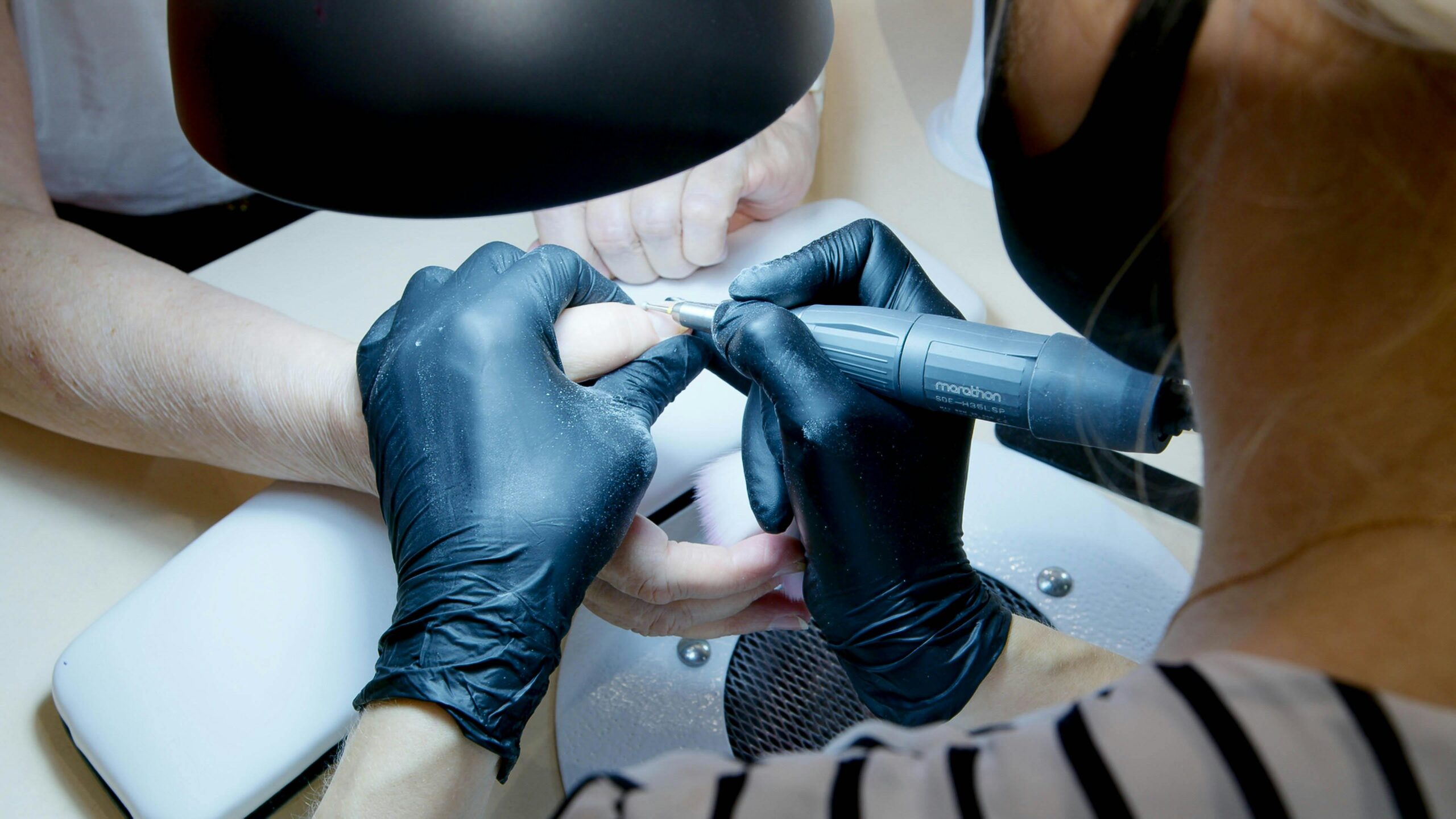
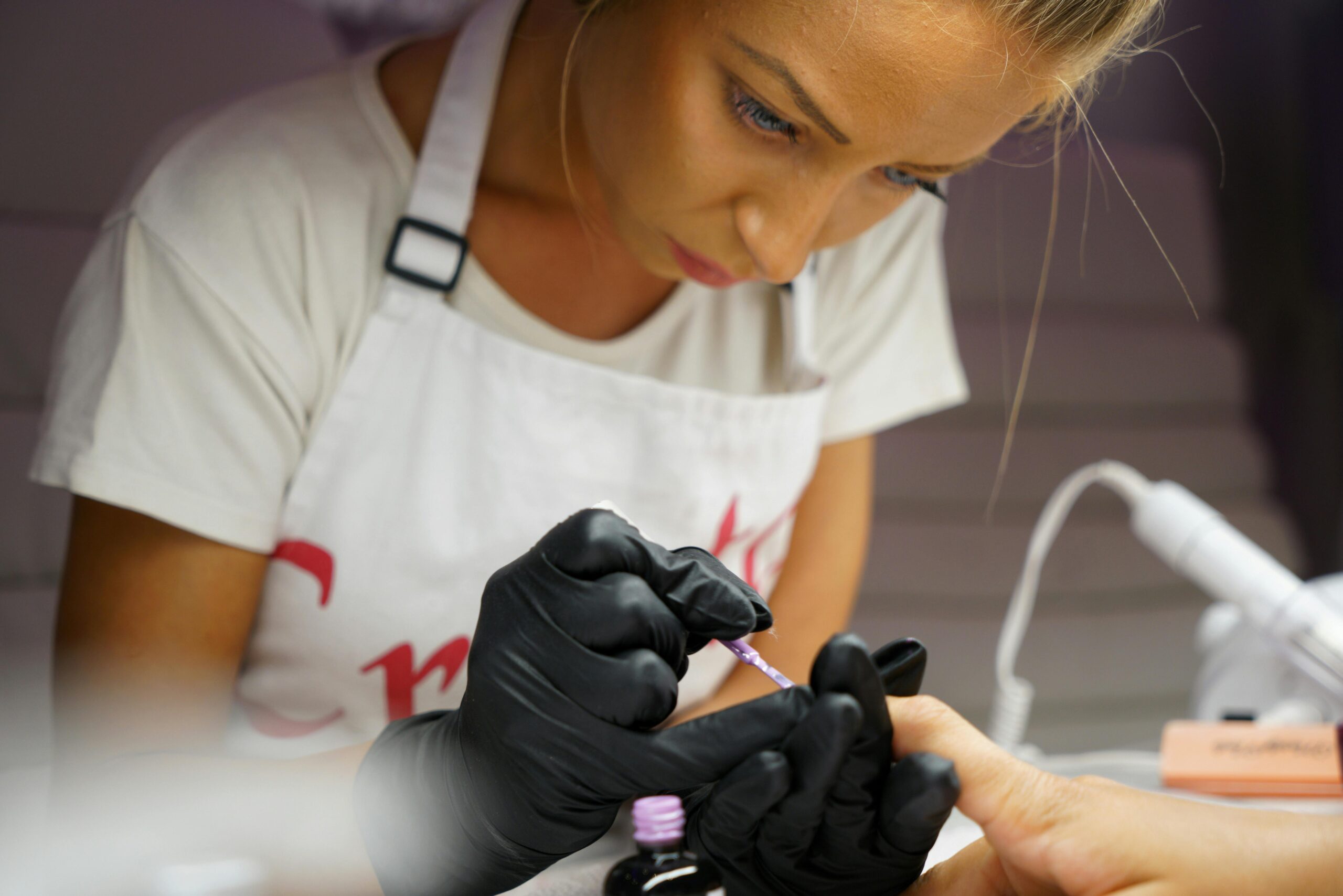
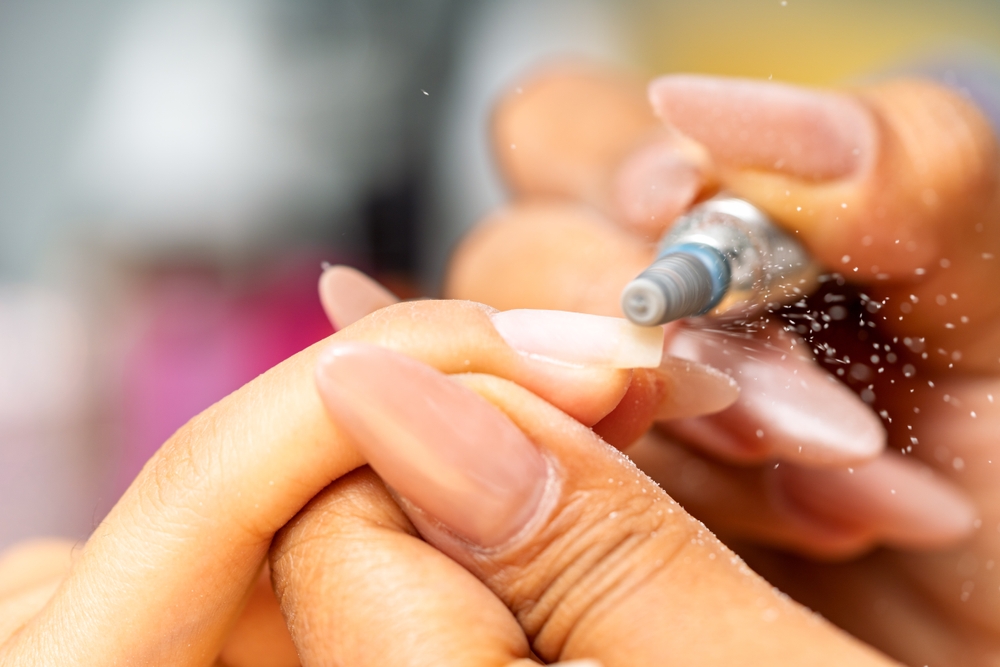
Gel polish application is typically the foundational practical skill in a nail tech course. You will learn proper nail preparation — the dehydration and primer steps that prevent lifting and ensure adhesion — correct application technique for streak-free coverage in one to two coats, curing protocol for UV and LED lamps, and the safe removal technique (both soak-off and e-file) that preserves natural nail integrity.
Hard gel and builder gel application covers the structural systems used to create overlays that add strength to natural nails and provide the canvas for nail art and extension work. Builder gel — increasingly popular as a soak-off alternative to traditional hard gel — is a particularly important skill in the current UK market.
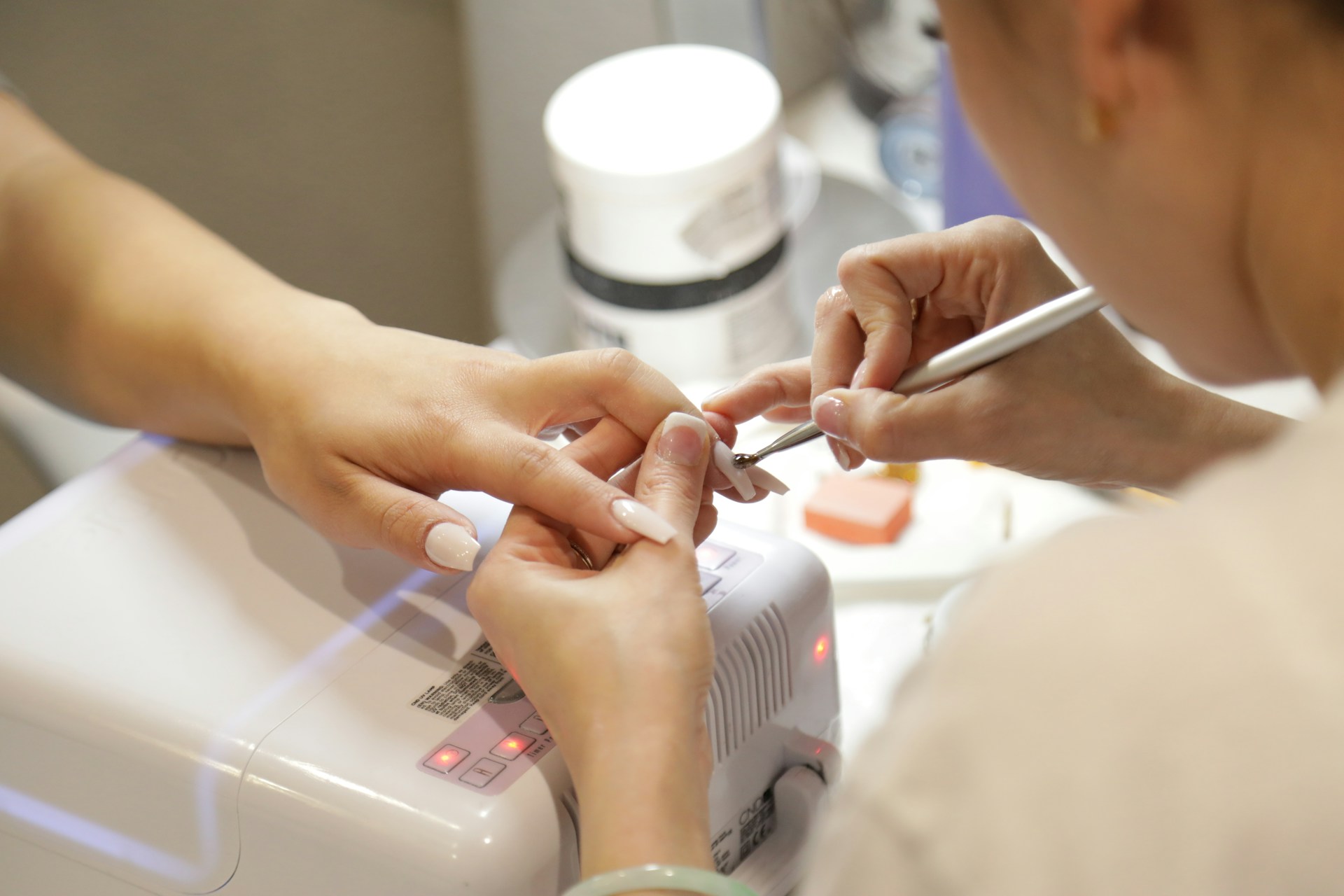
Acrylic application covers the liquid and powder system that has been the cornerstone of nail extension work for decades. Bead consistency, placement timing, shaping technique, and filing are all covered, as is the chemistry of the monomer and polymer system and the health and safety requirements specific to acrylics, including ventilation standards. The National Hair and Beauty Federation provides guidance on workspace compliance requirements for UK nail technicians — particularly important for home-studio practitioners handling acrylic monomer.
Nail art fundamentals are typically included in comprehensive nail tech courses: simple freehand designs, stamping, foil application, and ombre techniques. Health and safety covers tool sterilisation, contra-indication identification (fungal infection, nail psoriasis, skin conditions around the nail, and certain medications), safe e-file use, and correct product handling. Healthline provides a clinically reviewed overview of nail health and care that reflects the information your clients bring to consultations — familiarity with this content helps you advise confidently and accurately.
Which Nail Systems Will You Be Qualified to Offer?
After completing a comprehensive nail tech course in the UK, you should be qualified to offer: gel polish manicures and pedicures, gel overlay (hard gel and builder gel), acrylic extension application, basic nail art, and nail removal across all systems. This service range covers the majority of what UK nail clients request. Allure covers the full landscape of nail art styles and service types that drive client demand in the UK market — useful background for understanding what clients are looking for before they discover your portfolio.

Online Nail Tech Training in the UK
Online nail tech courses are the primary training route for most UK students, offering flexibility, comprehensive kit inclusion, and meaningful cost savings relative to in-person academy programs. The theoretical content delivers effectively through digital modules; the practical component is developed through guided self-practice with structured assessment submissions reviewed by qualified tutors.
The key quality markers for an online nail tech course are: curriculum breadth (does it cover all major nail systems or just one?), the quality of tutor feedback on practical submissions, the professional standard of the kit included, and certification acceptance by UK beauty insurance providers.
How Long Does a Nail Tech Course Take?
A comprehensive online nail tech course in the UK covering gel, gel overlay, and acrylic application can typically be completed in eight to fourteen weeks of consistent study. The practical development component is the primary variable — particularly acrylic application, which requires significant deliberate practice to develop consistent bead formation and shaping before professional-standard results are achievable.
What Can You Earn as a Nail Tech in the UK?
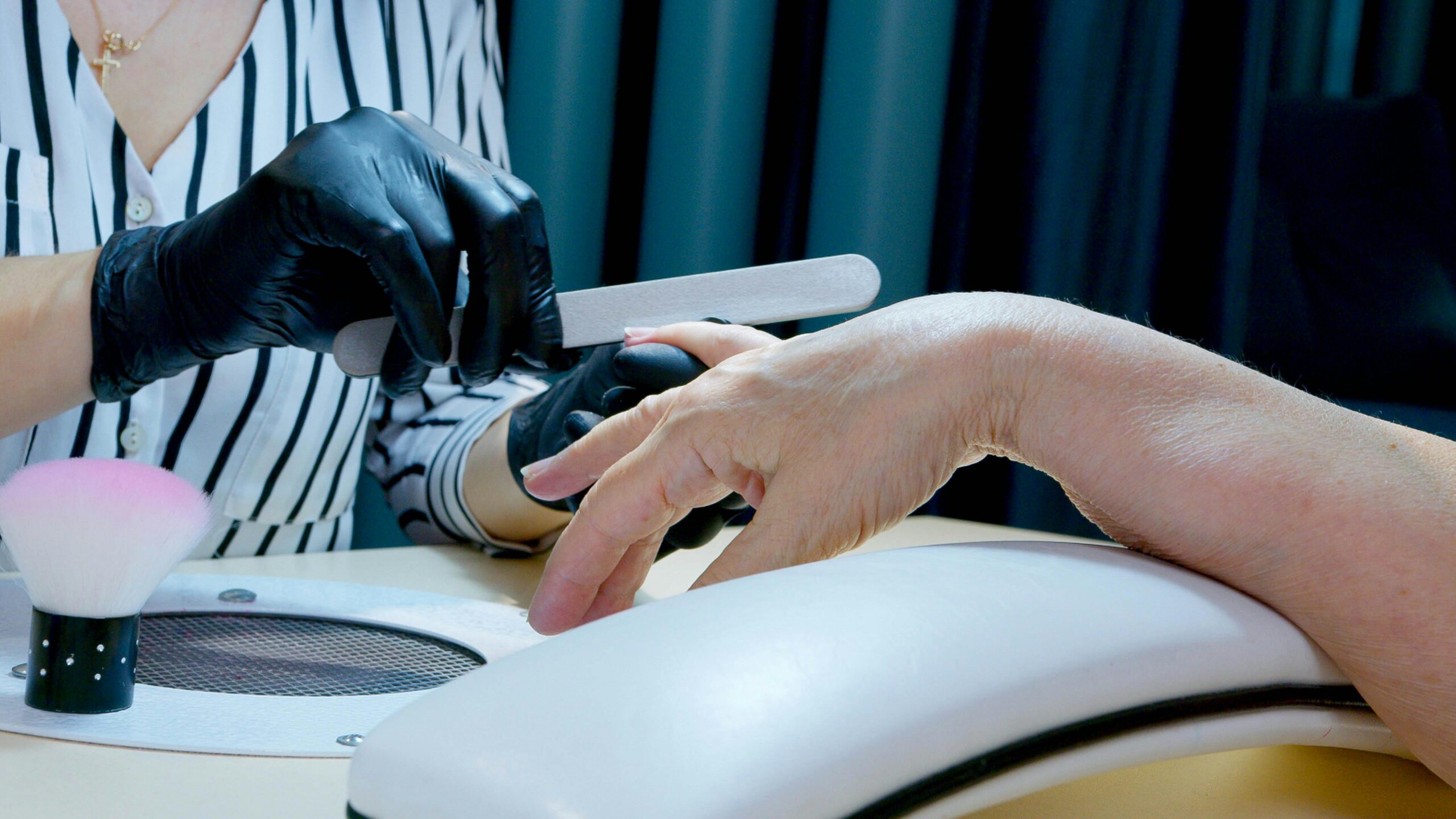
Gel polish manicures in the UK are priced at £25 to £50; gel overlays at £35 to £60; acrylic full sets at £40 to £80 in regional markets and up to £100 to £150 in London. Nail art adds £10 to £50 or more depending on complexity. Self-employed nail technicians with full appointment books in competitive UK markets earn £25,000 to £55,000 annually, with premium nail art specialists in major cities earning above this range.
According to Indeed UK, the earnings range for nail technicians in the UK is wide, reflecting the significant income difference between employed technicians in standard salons and self-employed specialists with established premium practices. Our Certificate in Nail Technology covers the full range of professional nail systems. For a broader picture of the nail career journey, our article on going from beginner to pro: your nail courses learning journey is recommended reading. All nail training is on our nail courses page.