Manicures and pedicures are among the most consistently booked beauty treatments in the UK. They sit at the accessible, high-frequency end of the nail services market — treatments that clients return for regularly throughout the year, not just for special occasions. For beauty practitioners, manicure and pedicure services provide the reliable appointment volume that underpins a stable nail business, alongside the opportunity to upsell to gel overlays, nail art, and enhancement services as clients develop their relationship with their technician.
A professional manicure and pedicure qualification is the foundational certification for any nail career in the UK. It teaches the core skills, health and safety knowledge, and client management competencies that all other nail specialisations are built upon. This guide covers what a comprehensive manicure and pedicure course teaches, how online training delivers these skills, how long the qualification takes, what you can earn, and how to build a nail business in the UK market.
What Does a Manicure and Pedicure Course Cover?
Nail and skin anatomy is the theoretical foundation. You will learn the detailed structure of the nail unit — plate, bed, matrix, hyponychium, cuticle, and surrounding skin — the nail growth cycle, and the relationship between nail health and systemic conditions that may affect the services you can safely provide. Healthline provides a clinically reviewed overview of nail health and anatomy that reflects what informed clients research before their appointments — practitioners who understand this content can advise with credibility on nail health questions that arise in consultation.
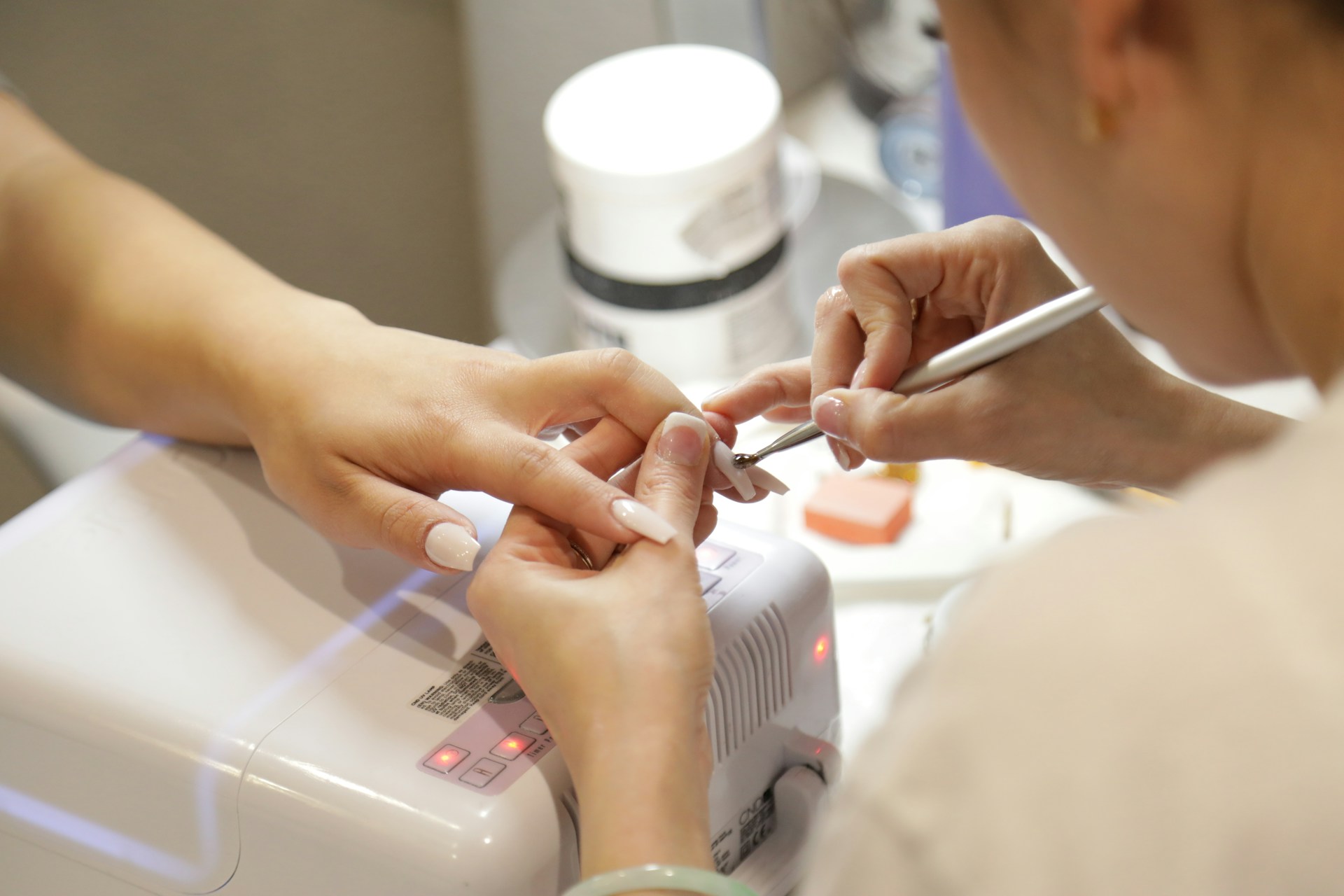
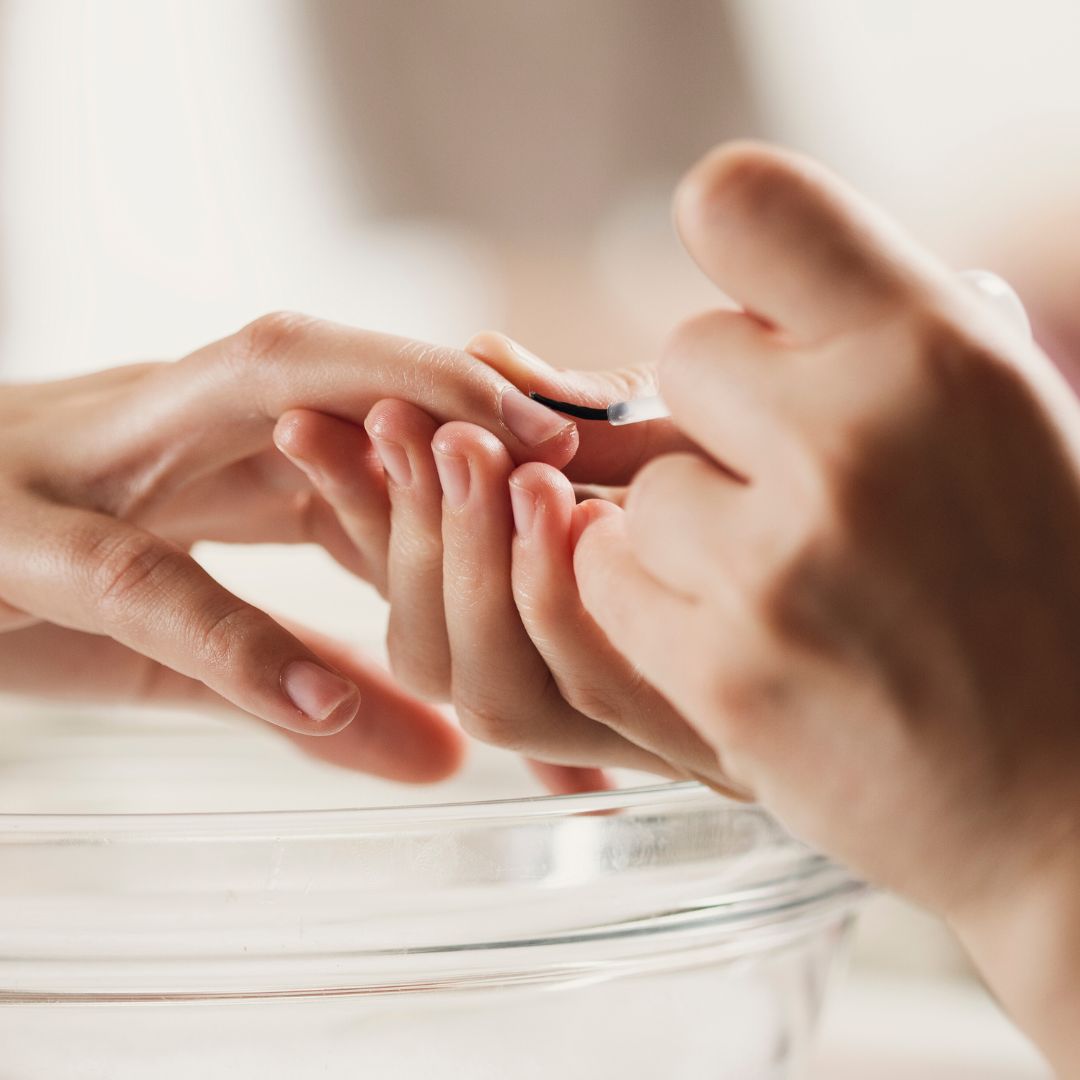
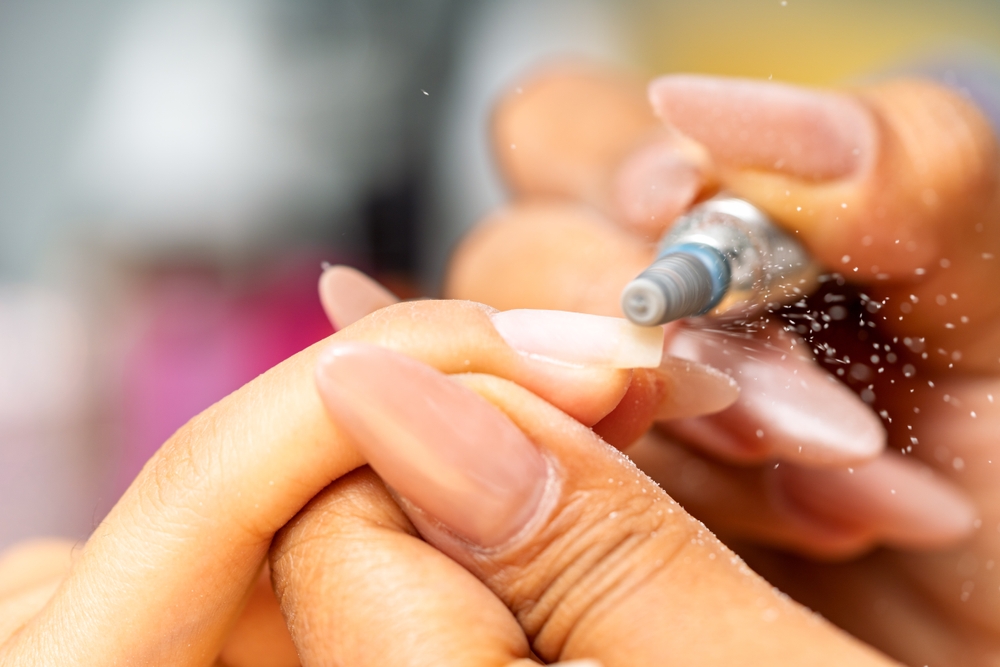
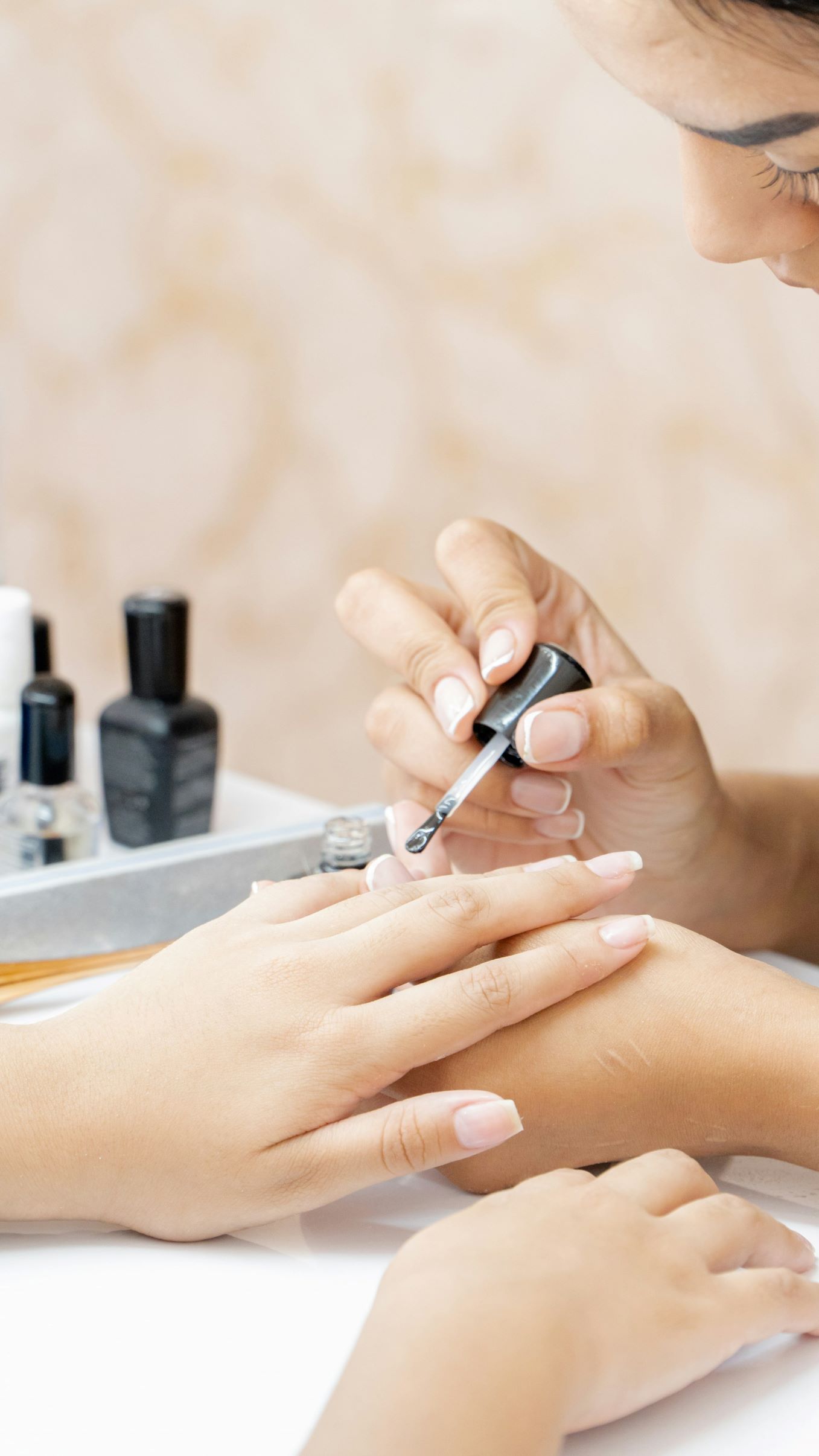
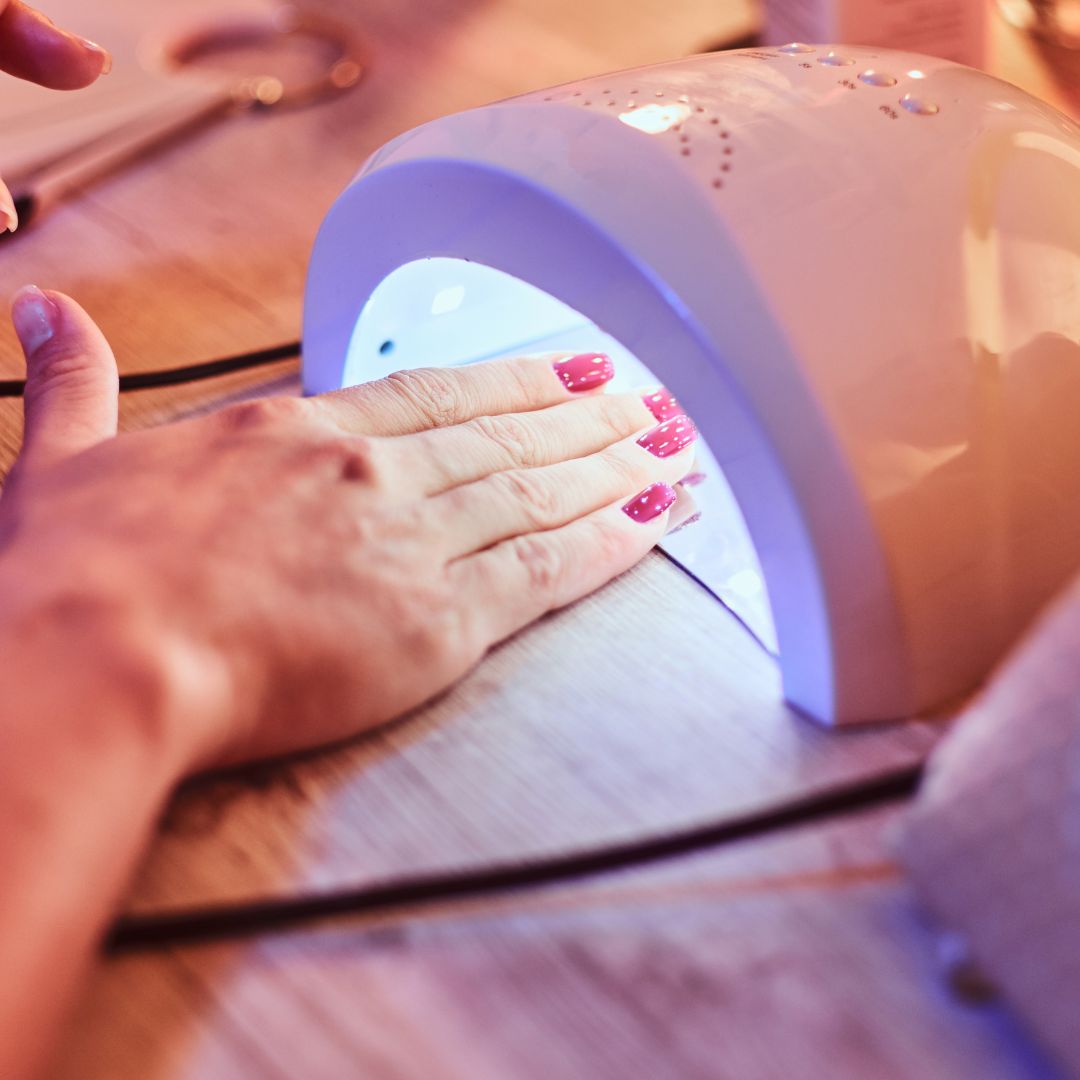
The manicure curriculum covers the full professional treatment protocol: consultation and nail assessment, shaping for all nail shapes, cuticle care, hand exfoliation and massage, and the application of base coat, colour, and top coat to a professional finish. Gel polish application — the client standard across most of the UK market — is covered in comprehensive courses including correct curing protocol and safe removal using soak-off and e-file methods.
The pedicure curriculum builds on the manicure foundation and adds skills and knowledge specific to foot care: foot anatomy, common foot conditions and when they require medical referral, callus and hard skin management, foot soaking protocols, toenail shaping, and the massage and finishing protocols that make a professional pedicure genuinely therapeutic. According to Allure, the range of professional manicure and pedicure service types — from express gel to spa treatments — is broader than most clients realise, and understanding the full menu helps you upsell appropriately to different client needs.
Nail art fundamentals — basic stamping, foil, simple freehand — are typically introduced at manicure and pedicure level, creating an upsell pathway that meaningfully increases average booking value.
Health and safety covers tool sterilisation, contra-indication identification (including fungal nail infection, nail psoriasis, and skin conditions around the nail), safe e-file use, and product handling and disposal requirements.
Why Train in Both Manicure and Pedicure Together?
Training in both services through a combined qualification is the standard professional approach and the most efficient pathway. The foundational knowledge — nail anatomy, health and safety, client management — is covered once rather than duplicated. The National Hair and Beauty Federation recommends that nail practitioners build a comprehensive service menu from the outset — offering both manicure and pedicure increases average appointment value and reduces the likelihood that a client will visit a different practitioner for a service you do not offer.
What Can You Earn as a UK Manicure and Pedicure Specialist?
Gel manicures in the UK are priced at £25 to £50; gel pedicures at £35 to £60. Combined appointments range from £55 to £90 in most UK cities. Self-employed nail technicians with full appointment books in major markets earn £25,000 to £50,000 annually. Adding extensions, overlays, and nail art services to the menu — as the natural progression from a manicure and pedicure foundation — raises the income ceiling significantly.
According to Indeed UK, nail technician earnings in the UK are widest between employed and self-employed practitioners, with self-employed technicians in competitive markets consistently outperforming employed counterparts over the longer term. Our Certificate in Manicures and Pedicures provides the complete foundational nail qualification. For a broader picture of the nail career journey, our article on going from beginner to pro: your nail courses learning journey is recommended reading. All nail training is on our nail courses page.